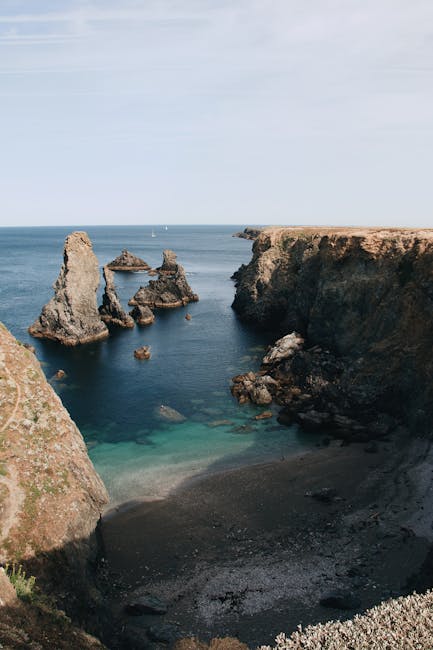






Introduction — Why Wild Brittany Draws Explorers
Brittany, in the far northwest of France, is a land of contrasts where the sea carves out some of the most powerful and striking landscapes you can find. From wind‑lashed cliffs to hidden coves, golden dunes and long sandy beaches, the Breton coast delivers a full sensory experience: the tang of sea air, the crunch of pebbles underfoot, and the endlessly shifting colours of sky and granite. This guide is a practical, detailed companion for anyone wanting to discover “Wild Brittany”: we give you exact addresses, opening hours, prices, immersive descriptions and local tips to make the most of these often overlooked coastal spots.
The Breton coastline wears many faces: the Côtes d’Armor and the Pink Granite Coast, Finistère with its wild western tip, and the south with its sheltered bays. Each area hides secret beaches and impressive cliffs to explore on foot, by bike or by kayak. Routes can be demanding—steep paths, strong tides, loose stones—so come prepared and follow local safety advice. The images below are meant to give you visual landmarks before you go; they show the mix of rock, sea and vegetation that makes these places so unique.
This guide is aimed at the curious traveller, whether you’re an experienced hiker or an easygoing stroller. You’ll find practical recommendations—parking, visitor centre fees, tourist office opening hours, the best times to visit each beach—plus safety pointers (tide times, recommended gear). We’ve also suggested spots to eat and places to stay nearby, with addresses and price ranges, so you can stretch your trip and experience Brittany beyond the shoreline.
Before you set off, keep in mind that “wild” usually means limited facilities: toilets aren’t always available, mobile reception can be patchy and access often involves narrow footpaths. Respect the places you visit: pack out your rubbish, stick to marked trails and follow local rules (protected zones, nesting birds, etc.). With a little planning, discovering Brittany’s secret beaches and cliffs can be an unforgettable experience—raw nature paired with local hospitality.
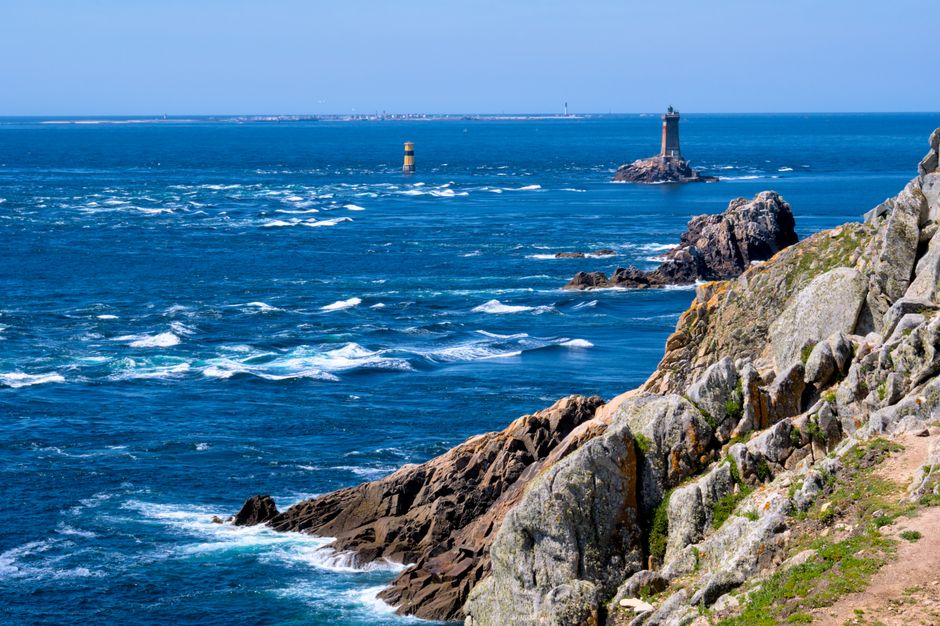
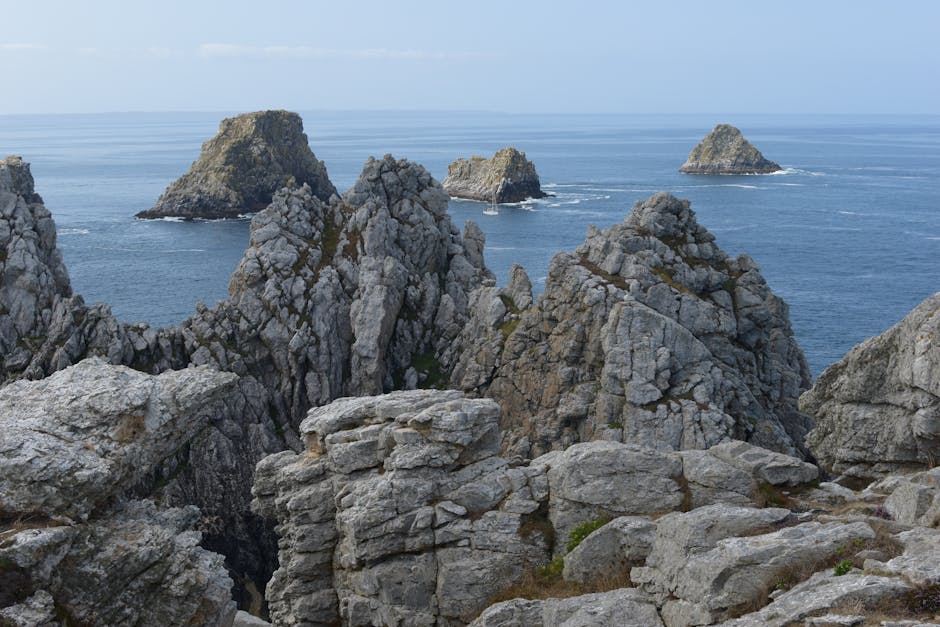
Pointe du Raz and the Crozon Peninsula — Vertiginous Cliffs and Secluded Coves
Pointe du Raz, on the commune of Plogoff, is one of the most powerful symbols of wild Brittany. Address: Pointe du Raz, 29770 Plogoff. The natural site is open 24/7, but the Maison du Site—Maison du site de la Pointe du Raz et du Cap Sizun—located at Parking de la Pointe, 29770 Plogoff, usually has set opening hours:
- Visitor Centre hours: April to September: 9:30–18:30; October to March: 10:00–17:00.
- Admission at the centre: free self‑guided visits; temporary exhibitions charged ~ €3–€6 depending on the show.
- Official parking: Parking du Cap, Pointe du Raz — price: €5.00 per car (indicative, high season). Shuttle services from Audierne may run in peak months.
The headland offers spectacular cliffs plunging into the Atlantic. The coastal trail GR34 starts here and delivers dramatic panoramas. Winds can be fierce—bring a windproof jacket, grippy hiking shoes and stay alert near cliff edges. A return hike to the phare de la Vieille with stops for photos can take 2–3 hours.
Further east, the Crozon Peninsula (commune: Crozon, 29160) hides secret beaches like Plage de l’Île Vierge (exit at Morgat harbour), Anse du Goulien (Route du Goulien, 29160 Crozon) and Plage de Trez Hir (Route de Trez Hir, 29160 Crozon). These coves often require traversing steep paths and offer crystal‑clear waters in spring and summer. Parking near Morgat: Parking du Port, quai Louis Armand, 29160 Crozon — free but limited; in high season aim to arrive early (before 10:00) to find a spot.
Local tips: to view Anse du Goulien at its best, take the coastal path westward at sunset (take care returning in the dark). For swimming at Anse de Trez Hir, check tide times: strong currents can make the water dangerous as the tide comes in. Always bring water, snacks and a charged phone—but don’t rely solely on mobile coverage, which can be unreliable.
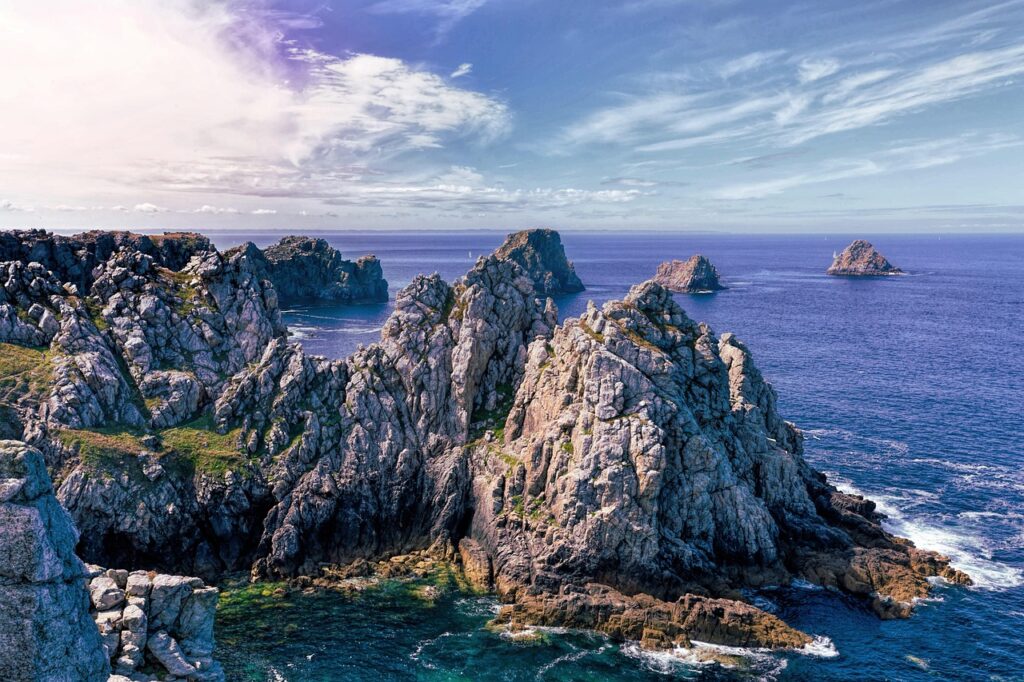
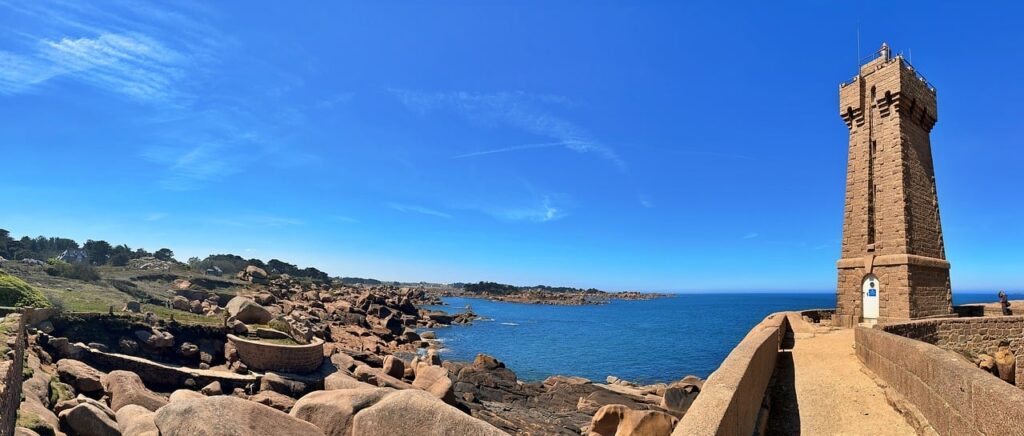
Pink Granite Coast and Perros‑Guirec — Rosy Rocks and Picture‑Perfect Coves
The Pink Granite Coast around Perros‑Guirec (Tourist Office address: Office de Tourisme Perros‑Guirec, 4 Place du Martray, 22700 Perros‑Guirec) is famous for huge, pink‑hued granite boulders. The tourist office is open:
- Tourist Office hours: April to September: 9:00–19:00; October to March: 9:30–12:30 and 14:00–17:30.
- Fees: information is free; paper maps and guides €2–€6.
Don’t miss spots like Plage de Trestraou (Avenue de la Plage, 22700 Perros‑Guirec) — a wide sandy beach with parking and facilities (toilets, showers). Parking price: Parking de la Plage Trestraou, Avenue Joseph Le Bihan, 22700 Perros‑Guirec — €2.50–€4.00 depending on season. Plage de Saint‑Guirec (Lieu‑dit Saint‑Guirec, 22700 Perros‑Guirec) is a more intimate cove framed by pink rocks; access is from Pointe de la Tourelle and involves steep stairways.
The coastline here is a photographer’s dream: weather‑smoothed granite formations, small arches and natural tidal pools at low tide. Walks along the GR34 customs path offer unique vantage points. For a sea excursion, shuttles and RIB trips depart from Port de Perros‑Guirec (Port de Plaisance, Quai Quéguiner, 22700 Perros‑Guirec):
- Boat trips: around €16–€28 per adult for a 45–60 minute coastal cruise (prices vary by operator and season).
Practical tips: avoid crowds by visiting early morning or late afternoon and try to skip weekends. Rocks heat up quickly in summer—consider gloves or hand protection if you plan to scramble for photos. In strong winds, steer clear of exposed low areas where waves can sweep in.
South Finistère and Cap Fréhel — Wild Bays and Pale Sandy Beaches
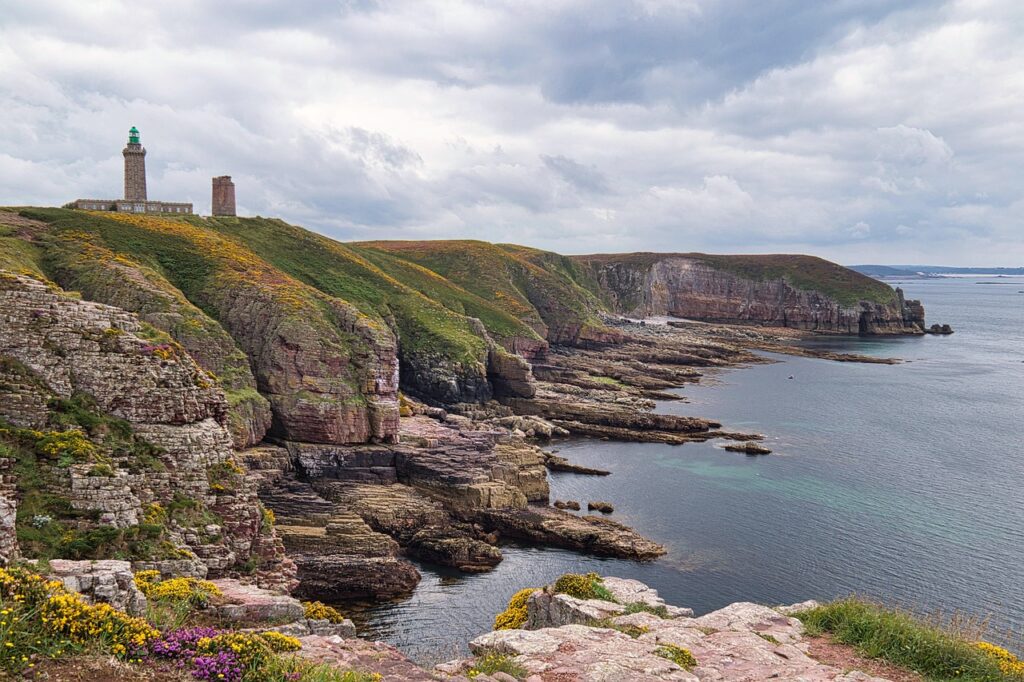
South Finistère and the department’s northern coast offer quieter stretches where nature takes the lead. Cap Fréhel, on the commune of Plévenon (Address: Cap Fréhel, 22240 Plévenon), is a dramatic site with pink sandstone cliffs and sweeping views over the Channel. Access is free 24/7; however, the official parking (Parking du Cap, 22240 Plévenon) often charges a seasonal fee: around €4.00 per vehicle in summer.
Nearby, Plage de Goulien and Pointe du Van (Pointe du Van lies in Plogoff, 29770) offer nearly deserted coves outside peak season. Plage de Goulien (Route de la Pointe du Raz, 29770 Plogoff) is prized for its fine sand and rock formations. For a quieter visit, choose May–June or September–October: the weather is often pleasant and visitor numbers are much lower.
Another must‑see is Anse de Pen‑Hir (Camaret‑sur‑Mer, 29570). Access: Pointe de Pen‑Hir, D887, 29570 Camaret‑sur‑Mer. The nearby parking (Parking de la Pointe, D887) is free for small cars but has limited spaces. The cliff views are spectacular, with sheer drops and sea stacks carved by erosion. Geology lovers will enjoy visible strata and occasional fossils in the marl layers.
Local advice: respect bird protection areas (especially in spring); parts of the coastline are designated Natura 2000. Hikers should carry a 1:25,000 IGN map of the area—examples: IGN 1116OT “Pointe du Raz” or 1117OT “Crozon”. If you’re thinking of wild camping (rules vary by commune), check with local town halls: many places ban bivouacs during high season.
Practical Tips, Safety and Local Food
Getting around these coasts takes a bit of organisation. Here are concrete recommendations:
- Tides: check tide times via SHOM or local notices. Some coves and beaches can be cut off at high tide. Example: tide information posted at Port de Morgat, Quai Rata, 29160 Crozon.
- Gear: hiking or approach shoes, windproof jacket, water bottle, basic first‑aid kit, headlamp if you think you’ll return after dark.
- Parking: many seaside car parks use seasonal pricing (€2.50–€5.00). Check signs and buy a ticket where required to avoid fines.
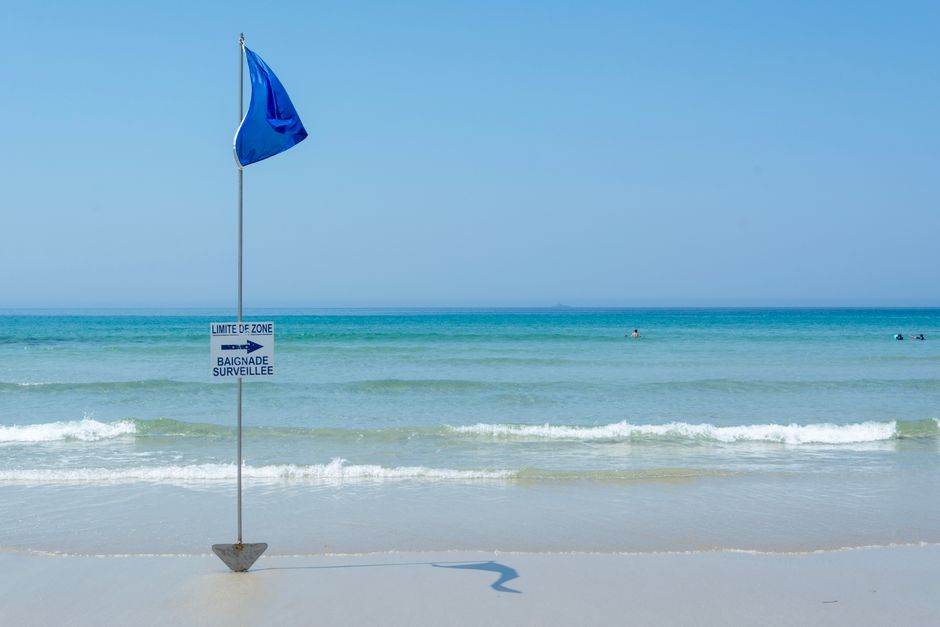
- Health and rescue: in an emergency dial 112. On lifeguarded beaches in summer (e.g. Plage de Trestraou, Perros‑Guirec), locate the rescue stations and obey flag warnings.
Food: Brittany is synonymous with seafood. A few local spots to try:
- Le Coquillage — 12 Quai Gambetta, 29770 Audierne. Specialities: shellfish and catch‑of‑the‑day fish. Price range: €18–€35 per main. Hours: 12:00–14:00; 19:00–21:30 (closed Tuesdays off‑season).
- Crêperie La Bigoudène — 3 Place du Général Leclerc, 29160 Crozon. Galettes: €6–€12; cider: €3–€6. Open: 11:30–22:00 (hours vary in winter).
- Le Café de la Plage — Avenue de la Plage, 22700 Perros‑Guirec. Bistro menu: €12–€25. A great stop after a swim.
Finally, respect locals and the environment: park in designated areas, don’t pick protected plants and leave beaches as you found them. Bretons care deeply about their coastline—showing respect will often be rewarded with a friendly tip or a hidden gem recommendation.
Conclusion — Immerse Yourself in Wild Brittany with Respect
Exploring Wild Brittany means stepping into a landscape dominated and shaped by the sea: rocks, cliffs, coves and dunes. The places we’ve highlighted—Pointe du Raz, the Crozon Peninsula, the Pink Granite Coast, Cap Fréhel, Anse de Pen‑Hir—offer a broad taste of Breton beauty, combining dizzying panoramas and discreet little bays. Each spot requires preparation, attention to local rules and awareness of tides and seasons. The addresses, opening hours and prices in this guide will help you plan your stops and avoid common hassles (full car parks, bad weather exposure, protected areas).
To preserve the magic, visit outside peak crowds when possible: early morning, late afternoon, or during spring and autumn. Take paper maps and a power bank, especially if you’ll head onto remote trails. And don’t forget the essentials: bring home photos and memories, but above all respect the coast so these beaches and cliffs remain for future generations.
Whether you’re a photographer, seasoned hiker, cautious swimmer or just someone who loves wide open air, Wild Brittany delivers moments of real intensity. Sip a coffee by the sea, try a galette in a country crêperie, watch seabirds from a cliff or scramble down to a hidden cove to listen to the surf—these are the experiences that make a trip unforgettable. Safe travels, and look after the sea and rocks that will welcome you.