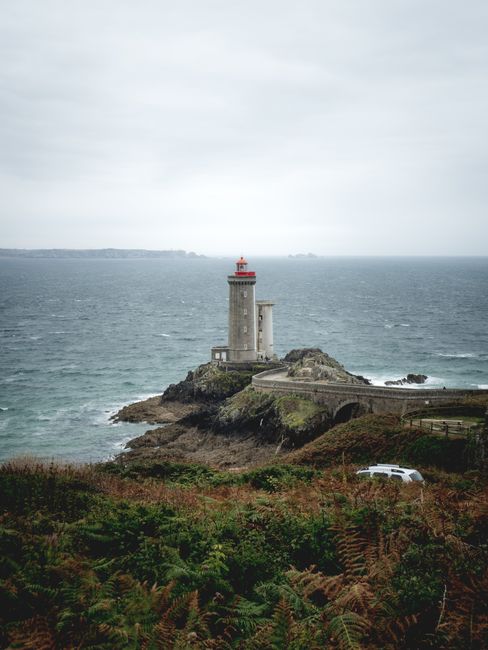






Introduction — Road Trip or Regional Train in Brittany? How to Choose by Itinerary
Brittany is tailor-made for slow, reflective travel. From jagged cliffs and wide sandy beaches to charming harbors and medieval towns, every hollow holds a different mood. The classic question when planning a trip here is: do you go by car and do a road trip, or rely on the regional trains (TER) to get around? This guide looks at both options practically and in detail, taking into account the most common routes, costs, schedules, environmental impact and local tips to help you make the most of your journey.
A road trip gives you total freedom: you can leave at sunrise to watch the light break over the Pointe du Raz, veer off to the secret coves of the Crozon peninsula, and finish the day in Concarneau watching the fishermen come home. By contrast, regional trains (operated by SNCF / TER Bretagne, often marketed under the BreizhGo brand for the regional network) offer a stress-free alternative: no driving, no parking fees to worry about in historic centers, and generally reliable punctuality on key axes like Rennes ↔ Saint-Malo or Rennes ↔ Quimper.
This guide will help you decide based on the kind of itinerary you’re planning: urban stays (Rennes, Brest, Lorient), coastal touring (Saint-Malo, Pink Granite Coast, the Wild Coast) or a full east-to-west crossing of Brittany. You’ll find precise addresses — stations, parking areas, rental offices — price indications in euros (TER tickets, car hire, approximate fuel), representative schedules, and immersive descriptions so you know what you’ll gain or lose by choosing road or rail. We also include practical local tips: where to park in Vannes (Place des Lices), how to take a bike on a train, and which stretches of coast really need a car to be fully explored.
Whether you’re heading out for a 48-hour weekend or two weeks, the decision between road trip and TER comes down to the route you want, the pace you want to give your trip, your budget and your environmental concerns. By the end of this guide you’ll have a clear mental map of pros and cons, rough costs and practical recommendations for each type of itinerary in Brittany.
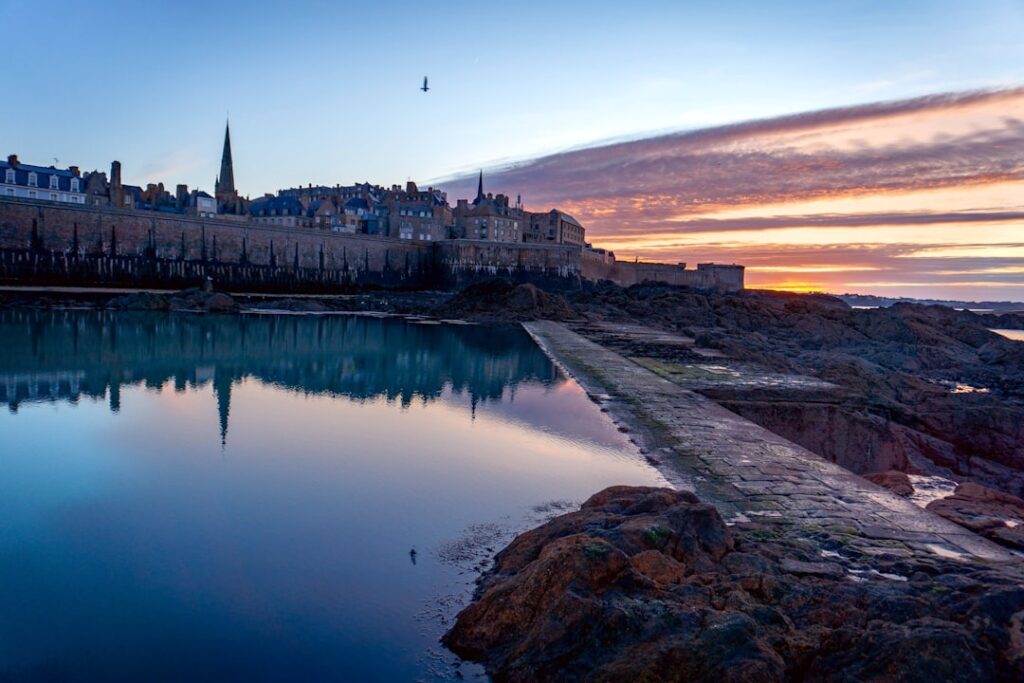
1) Coastal routes and peninsulas: why a car is often the better option
To really explore the coast — peninsulas, tiny coves, scenic drives — a car is often the most practical choice. Example route: Rennes → Saint-Malo → Cap Fréhel → Pink Granite Coast → Perros-Guirec → Pointe du Raz. With a car you control your photo stops and can reach secondary roads that are inaccessible or poorly served by train.
Addresses and practical info: car hire in Rennes: Hertz Rennes Gare, Place de la Gare, 35000 Rennes, open daily 07:00–20:00, indicative rates from €45/day in low season. A cheaper alternative: Europcar Rennes Villejean, 27 Boulevard Magenta, 35000 Rennes, 09:00–18:00 on weekdays, from €35/day. Expect roughly €1.85/L for diesel and €1.95/L for SP95 (indicative, variable). City center parking: Parking du Mail, Rue du Pré Botté, 35000 Rennes, €1.80/hour.
By car it’s easy to reach gems like Plage de l’Île Vierge (Crozon peninsula) or Pointe de Dinan. Crozon peninsula: follow D355 then D887, parking may be free or paid depending on the season. Some roads, like the D785 to Pointe du Raz (29150 Plogoff), are narrow and winding — drive cautiously, especially in high season when parking can fill up by 10:00.
Drawbacks to plan for: fuel costs, parking fees (e.g. Vannes — Parking du Port, Quai Ernest Renaud, 56000 Vannes, about €1.80/h) and driver fatigue. But if your aim is deep coastal exploration and visiting villages off the rail map, a car remains essential for full flexibility.
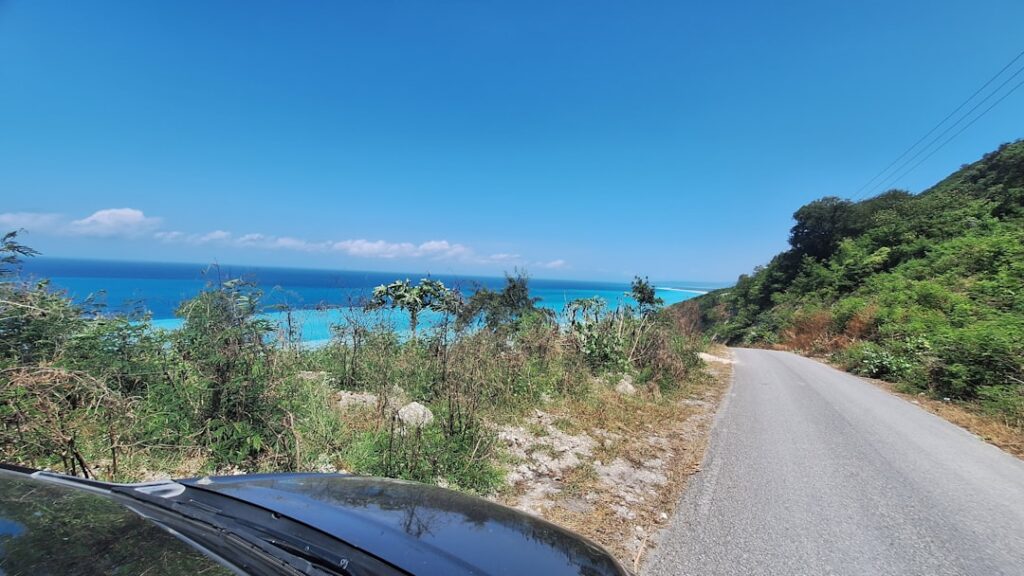
2) City stays and short hops: regional trains usually win
If your trip focuses on towns and major coastal links — Rennes, Saint-Malo, Dinan, Quimper, Lorient — the TER is a highly competitive option. The TER Bretagne network serves these hubs with frequent services on certain lines, modern comfort and the chance to travel stress-free. Typical example: base yourself in Rennes and do day trips to Saint-Malo and Dinan.
Stations and useful schedules: Gare de Rennes, Place de la Gare, 35000 Rennes — ticket office roughly 04:30–01:30; Rennes ↔ Saint-Malo TER: about 1h travel time, frequency every 30–60 minutes at peak times, indicative fares €8–16 off-peak. Gare de Saint-Malo, Place de la Gare, 35400 Saint-Malo — about a 10-minute walk to the walled town. Rennes ↔ Quimper: roughly 1h50–2h30 depending on the service, fares around €18–30.
Tickets and fares: for short trips a TER single ticket typically costs between €5 and €25 depending on distance and season. Discount cards (youth, senior) can significantly reduce prices. TER often accepts non-folding bikes (subject to space); check in the station or on the BreizhGo website. Practical perks: no fuel costs, no parking headache, and you can enjoy a coffee while watching the landscape roll by.
Limits: some rural areas and peninsulas (e.g. Pointe de la Torche, isolated beaches of Crozon) are not well served or require local bus connections (BreizhGo buses) with less frequent services. For an itinerary focused on town centers and connections between main hubs, TER is generally the smartest choice.
3) Best of both worlds: mix trains and car hire
The most balanced solution for many travelers is a mixed itinerary: use the TER to link major towns and rent a car for a few days to explore a peninsula or secondary roads. Example 10-day plan: arrive by train in Rennes, spend 2 days there, take the TER to Quimper (1h50), then explore western Finistère with a rental from Quimper — Avis Quimper Gare, Place de la Gare, 29000 Quimper, open 08:00–19:00, rental rates roughly €40–60/day.
Logistics tips: hire the car straight from the arrival station to save time; check return hours (often 18:00–19:00) and whether one-way drop-offs to another city are allowed (may incur fees). For intercity trips, buy tickets in advance to get the best TER fares (SNCF apps or station machines). If you’re carrying bikes, pick trains with bike spaces or plan to rent locally.
Indicative 10-day mixed budget: TER intercity tickets (round trips) €60–120 per person depending on route; car rental for 4 days €160–320; fuel €80–150; parking and occasional tolls €30–80. Benefits: less overall driving time, easier city stays without parking hassles, and local freedom to reach isolated spots.
Local tip: in towns like Vannes (56000) or Dinan (22100), park on the outskirts in park-and-ride lots and explore the center on foot. Example: Parc du Golfe — Parking Relais Vannes, Rue de la Cale, 56000 Vannes, with shuttle bus access to the old town (sometimes free depending on the season).
Conclusion — Which to choose based on your route and travel style?
The decision between a road trip and the TER in Brittany mainly hinges on the route you have in mind and the pace you want to keep. If you plan to explore the coast in depth, reach secondary roads and discover secluded coves, a car gives you unmatched freedom. Budget for rental (€35–80/day depending on season), fuel (~€1.85–1.95/L indicative) and parking (€1–2/hour in city centers). For trips focused on historic towns, ports and regular connections, the TER is often more efficient, economical and relaxing — typical fares between €5 and €30 depending on distance, frequent trains Rennes ↔ Saint-Malo and Rennes ↔ Quimper, and the option to bring bikes.
The smartest choice for many Brittany itineraries is bimodal: take the TER between major stops and hire a car locally for a few targeted days. That way you get the best of both worlds: the comfort of rail travel and the flexibility of the road. To be kinder to the environment and avoid summer traffic jams (July–August), travel early in the morning, use park-and-ride lots, book TER tickets in advance and compare rental companies (Hertz, Europcar, Avis, Sixt).
Ready to plan your route? First list the must-see spots (Saint-Malo, Pointe du Raz, Quimper, Carnac, Vannes), check whether they’re reachable by TER or regional bus (BreizhGo), and decide whether the freedom of a wheel is worth the cost and driving. Whichever option you choose, Brittany will reward you with unique panoramas, rich gastronomy (crêperies, seafood) and an exceptional maritime heritage: bring your camera, a current map or TER timetable, and set off at a pace that suits you.