





Introduction — Responsible travel in Brittany: why combine ferries and bikes
Brittany, with its jagged coastline, wild islands and small port towns, naturally lends itself to responsible travel. As cutting carbon footprints and supporting local supply chains become priorities, pairing ferries with bicycles is an obvious and attractive solution. Ferries avoid long car journeys and often have a lower per-passenger pollution footprint, while bikes provide quiet, low-impact mobility on the ground and are ideal for exploring at a local pace.
Practically speaking, Brittany benefits from a network of national and local maritime routes linking the mainland to islands like Belle-Île-en-Mer, Houat, Hoëdic, Ouessant, the Glénan archipelago and services to England and Ireland. Operators such as Brittany Ferries (international crossings and some coastal cruises), Compagnie Corsaire (departures from Saint-Malo to Jersey/Guernsey and certain islands), Penn-ar-Bed (routes to the Ouessant and Molène archipelago), Compagnie Le Passeur (Quiberon ↔ Belle-Île) and Compagnie Océane (Quiberon ↔ Houat/Hoëdic) run seasonal services with varying bike-carrying capacities.
Combining ferry and bike travel does require some planning. Each operator sets different rules for bringing bikes on board (free, checked-in, or charged), reservations and timetables that depend on the season. Likewise, preparing for bike travel — route choices, kit, accommodations and basic maintenance — strongly influences comfort and self-sufficiency on the road. This detailed guide gives you exact addresses, typical schedules, price estimates and local tips to plan a stay in Brittany that’s as eco-friendly as it is enjoyable.
We’ll cover practical routes (for example: Saint-Malo to the Channel Islands, Roscoff to the archipelago, Quiberon to Belle-Île and the islands of the Gulf of Morbihan), logistical aspects (booking, bike fees, storage), suggested cycling itineraries with distances and difficulty levels, and recommended eco-minded accommodations (bike-friendly facilities, sustainability practices). You’ll also find tips to reduce the overall impact of your trip: how to limit water and energy use, support the local economy, choose regional products and respect fragile habitats like dunes, salt marshes and seabird nesting areas.
Beyond practicalities, this guide aims to make the experience immersive: breathe the salty air on a morning ferry, pedal along picturesque roads lined with stone walls, enjoy a lunch of local vegetables and grilled fish in a small harbor, and sleep in a welcoming family-run guesthouse. Responsible travel in Brittany is as much about acting for the planet as it is about truly meeting the places and the people who live there.
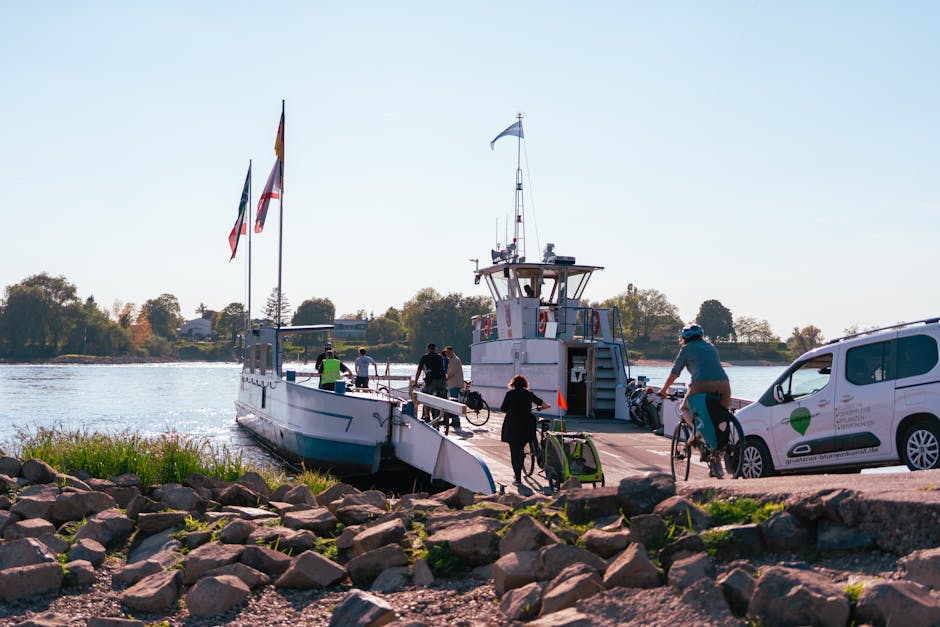
1) Planning crossings: choosing ports, addresses and practical fares
Planning starts with choosing the port and the operator. Here’s practical, actionable information for the main mainland-to-island departures in Brittany, including addresses, typical schedules and indicative fares (approximate values — check when you book).
- Saint-Malo — Compagnie Corsaire / Brittany Ferries
Address: Terminal Ferry, 36 Quai Duguay-Trouin, 35400 Saint-Malo.
Timetables: off-season 08:00–18:00, high season departures in the morning/noon/evening; check exact departure times.
Indicative fares: foot passenger crossings to the Channel Islands (Jersey/Guernsey) with Corsaire: from €39 one-way; Brittany Ferries (Saint-Malo ↔ Poole/Plymouth occasional): from €25–€60 depending on destination.
Bike policy: bicycles often accepted free if folded, or charged depending on the vessel (allow €5–€10); booking recommended. - Roscoff — Brittany Ferries (Roscoff ↔ Cork, Roscoff ↔ Plymouth)
Address: Port de Roscoff, 29680 Roscoff.
Timetables: international departures (Cork, Plymouth) typically sail in the evening for longer crossings; ticket offices open 07:00–21:00 depending on departures.
Indicative fares: Roscoff → Cork from €80–€120 per adult in low season; car and passenger fares vary.
Bike policy: bikes counted as hand luggage if dismantled; sometimes a supplement of €10–€20 for non-folded bikes. Advance booking required. - Quiberon (Port-Haliguen) — Compagnie Le Passeur / Compagnie Océane
Address: Port-Haliguen, 56170 Quiberon.
Timetables: Quiberon ↔ Belle-Île-en-Mer: several daily departures in high season (06:30–20:00). Quiberon ↔ Houat/Hoëdic: regular shuttles, higher frequency June–Sept.
Indicative fares: Quiberon ↔ Belle-Île one-way foot passenger €12–€20; Quiberon ↔ Houat/Hoëdic €7–€15.
Bike policy: bikes allowed free on most services, but space can be limited; for electric bikes check ahead. - Brest / Le Conquet — Penn-ar-Bed (Iroise Islands: Ouessant, Molène)
Address: Gare Maritime du Conquet, Place de la Gare Maritime, 29217 Le Conquet; or Port du Château, 29200 Brest for some sailings.
Timetables: departures morning/evening depending on the island; seasonal schedules, often 07:30–19:00.
Indicative fares: Conquet ↔ Ouessant one-way foot passenger €18–€30; Conquet ↔ Molène €10–€20.
Bike policy: bikes accepted (often free), but boarding priority and secure lashing required; booking recommended in high season. - Lorient (Kergroise) — services to Groix
Address: Terminal de Kergroise, Port de Kergroise, 56100 Lorient.
Timetables: Lorient ↔ Île de Groix: multiple daily crossings (06:00–20:30); frequency varies by season.
Indicative fares: one-way adult €8–€12; bikes usually accepted free.
Bike policy: bikes accepted, but expect limited spaces during peak hours.
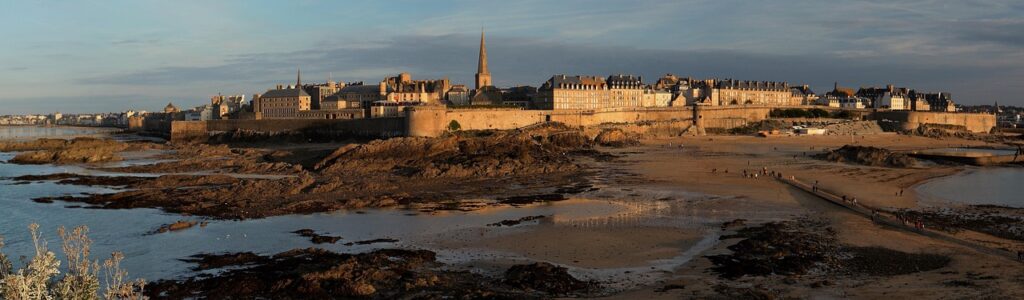
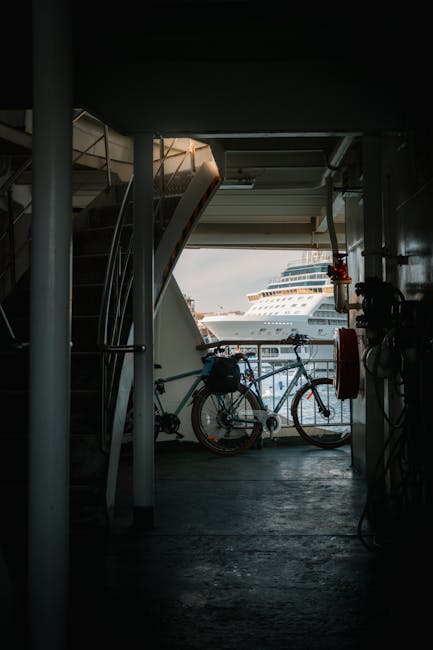
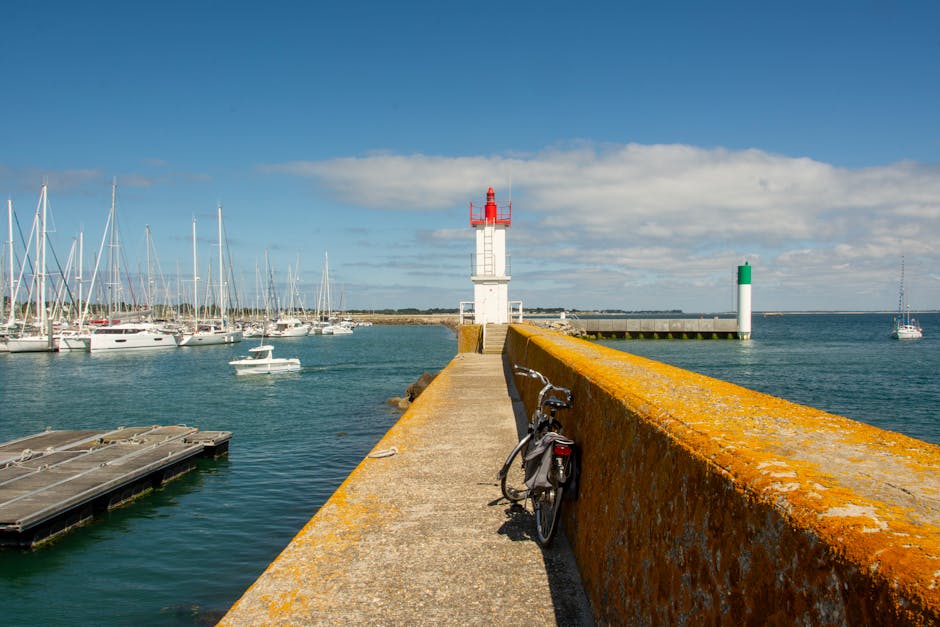
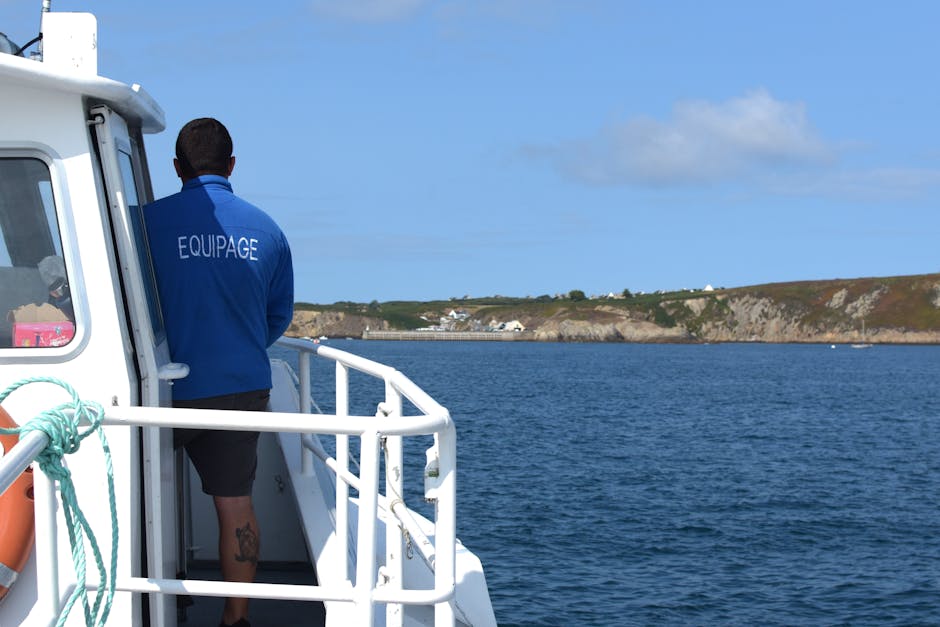
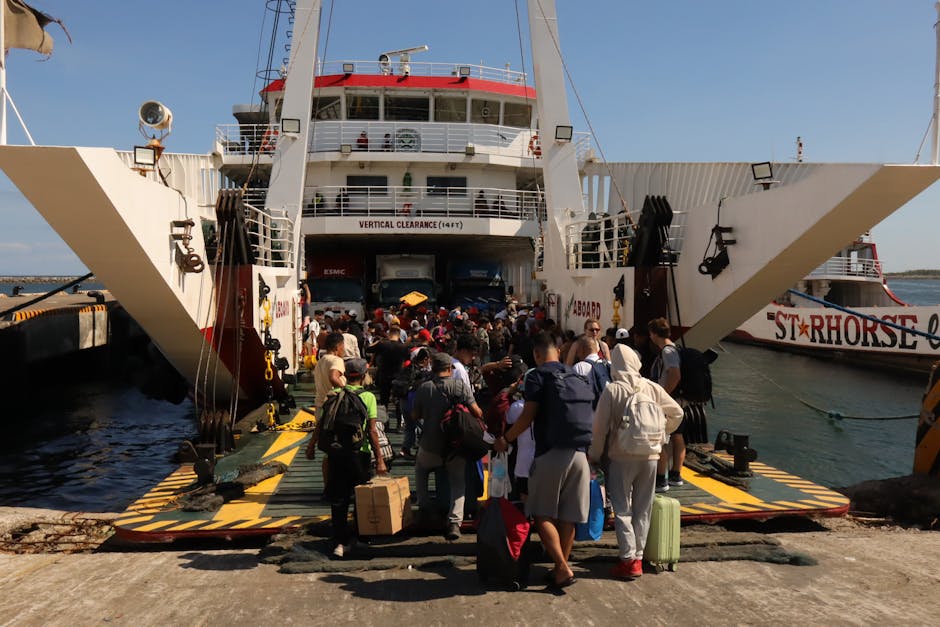
Practical planning tips: always check the operator’s official site (Brittany Ferries, Penn-ar-Bed, Compagnie Le Passeur, Compagnie Océane, Compagnie Corsaire) for updated timetables and bike carriage conditions. Book weekends and July–August weeks in advance. Also check tide times if you plan to use coastal paths or local boats that depend on weather conditions.
2) Recommended cycling routes and difficulty levels
Brittany offers a wide range of cycling routes, from family-friendly coastal rides to more challenging stages for touring cyclists. Here are tried-and-true routes suited to combining ferry and bike travel, with distances, profiles and kit advice.
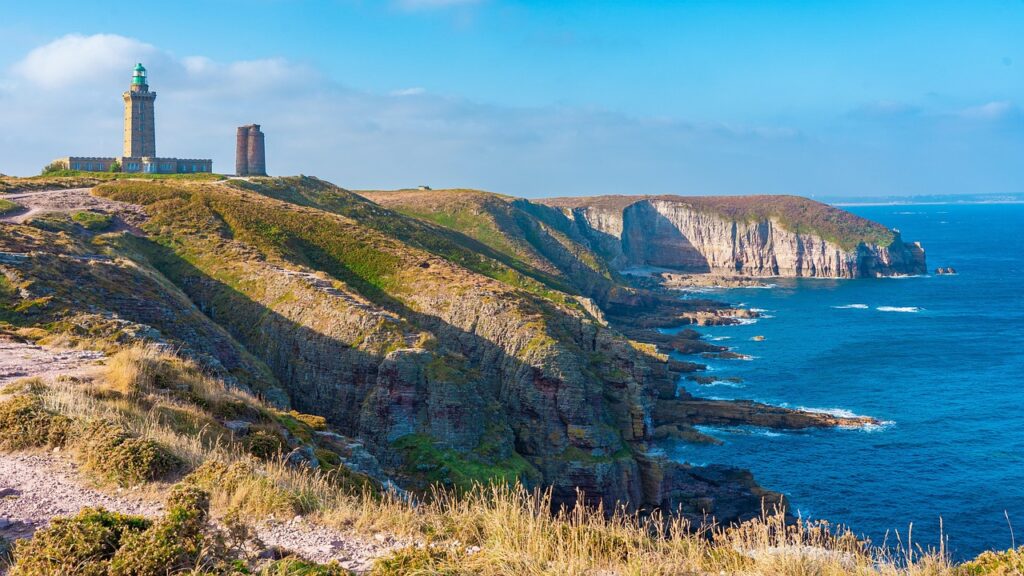
- Saint-Malo → Dinard → Cap Fréhel (Emerald Coast)
Distance: about 45 km (Saint-Malo Centre → Cap Fréhel lighthouse). Difficulty: easy–moderate, with bike paths and small roads.
Description: Leave the Ferry Terminal (36 Quai Duguay-Trouin, 35400 Saint-Malo), cross the Vauban Bridge and follow the cycle path to Dinard. Continue to Cap Fréhel via the D786 and secondary roads, passing cliffs, moorland and sandy beaches. Recommended stops: Fort La Latte (Fort La Latte, 35120 Plévenon, entrance around €6–€8), the beach at Saint-Cast-le-Guildo.
Tips: bring 2–3 energy bars, water (refill points in Dinard and Saint-Cast). Moderate climbs on the final kilometers toward the cape. - Quiberon ↔ Belle-Île-en-Mer: coastal loop
Distance: full loop of Belle-Île ≈ 56 km (Port of Palais → Pointe des Poulains → Sauzon → Palais). Difficulty: moderate, roads with short climbs, spectacular scenery.
Description: Board at Port-Haliguen (Port-Haliguen, 56170 Quiberon) and land at Port de Palais (Belle-Île-en-Mer, 56360 Le Palais). Cycle the coast clockwise to avoid the steepest climbs right away; stop at the Goulphar lighthouse and the Vauban Citadel (Place Vauban, 56360 Le Palais).
Tips: sturdy gearing, good tyres; supplies in Sauzon (Port de Sauzon, 56360 Sauzon) and Palais. Check the ferry return schedule (last departures vary). - Conquet ↔ Island of Ouessant: easy rides and island lanes
Distance: island loop ≈ 30–35 km (Ouessant, flat but very windy). Difficulty: physically easy but exposed to wind.
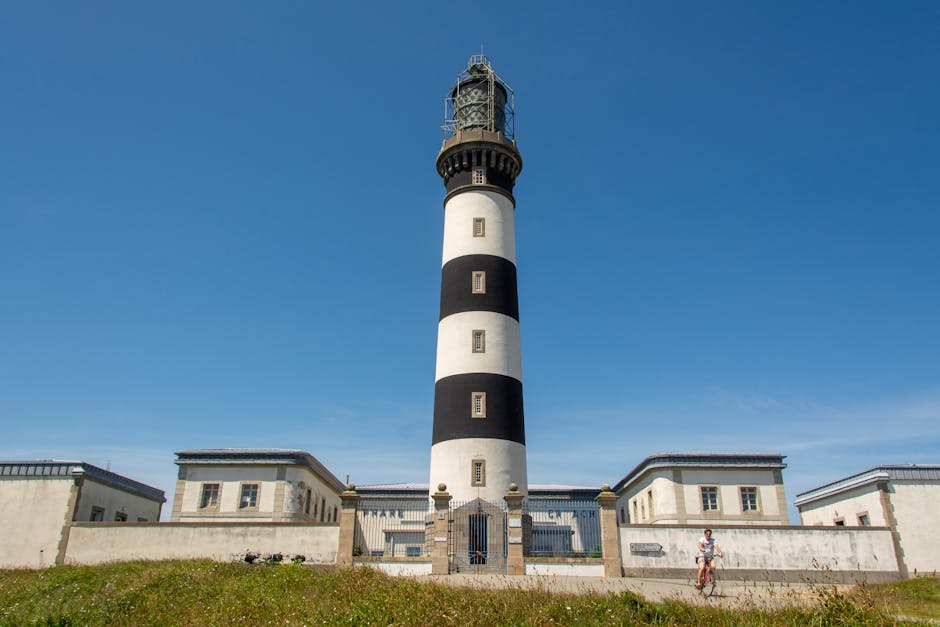
Description: The crossing from Gare Maritime du Conquet (Place de la Gare Maritime, 29217 Le Conquet) brings you to Lampaul (Ouessant). A network of minor roads allows exploration of the lighthouses (Phare du Créac’h, Kerlouan), rocky stacks and moorland.
Tips: bring a windbreaker and enough water; keep in mind that services (bike repairs, shops) are limited on some islands. - Gulf of Morbihan (Vannes ↔ Île-aux-Moines): family circuit
Distance: Vannes → Port-Navalo → Île-aux-Moines ≈ 40–50 km depending on variants. Difficulty: easy, many cycle paths.
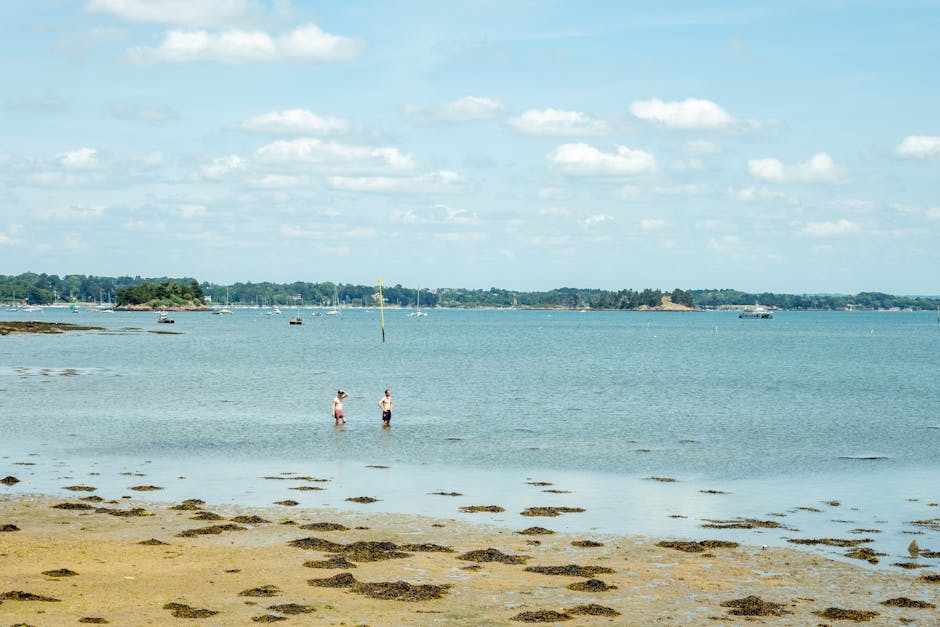
Description: Start from Vannes (Port de Vannes, Quai du Port, 56000 Vannes), head toward Port-Navalo and take a small boat to Île-aux-Moines (Compagnie Océane or local operators). The island is flat and perfect for day trips.
Tips: great for families; note water points and local seafood restaurants. Some boats require partial dismantling of bikes; check before boarding.
Recommended kit: strong lock (U-lock), repair kit (spare inner tube, pump), waterproof panniers, front/rear lights, high-visibility vest. For e-bikes, check whether your accommodation offers a charging point or bring a spare battery.
3) Boarding, bike transport and rules to know
Each operator and boat type has its own rules for bikes. Here’s a practical summary and tips to avoid surprises.
- Booking: on busy routes (Quiberon ↔ Belle-Île, Conquet ↔ Ouessant, tourist ports in July–August), reserve not only your passenger spot but also notify them you’re bringing a bike. Bike spaces are often limited on fast ferries and may be prioritized for passengers with reduced mobility.
- Boarding: arrive at least 30–60 minutes before boarding for local crossings and 90–120 minutes for international crossings. Bring a sturdy strap and, if requested, a box or cover to protect bikes on longer crossings.
- Price: on small shuttles (Quiberon ↔ Belle-Île) bikes are often free. On international or long crossings, expect a supplement of €5–€20 per bike. Indicative examples: Compagnie Le Passeur (Quiberon ↔ Belle-Île): bike free or €2 depending on season; Penn-ar-Bed (Conquet ↔ Ouessant): bike often free but registration on a list. Always confirm at booking.
- Safety and securing: on some vessels bikes must be lashed using straps provided by the crew; on others you may be asked to hold your bike or store it in a designated area. Avoid bringing loose panniers that could be ripped off by the motion of the boat.
- E-bikes: ensure the battery is secured; some operators require the battery to be disconnected and packaged. If you travel with a trailer, check maximum allowed dimensions and any extra charges.
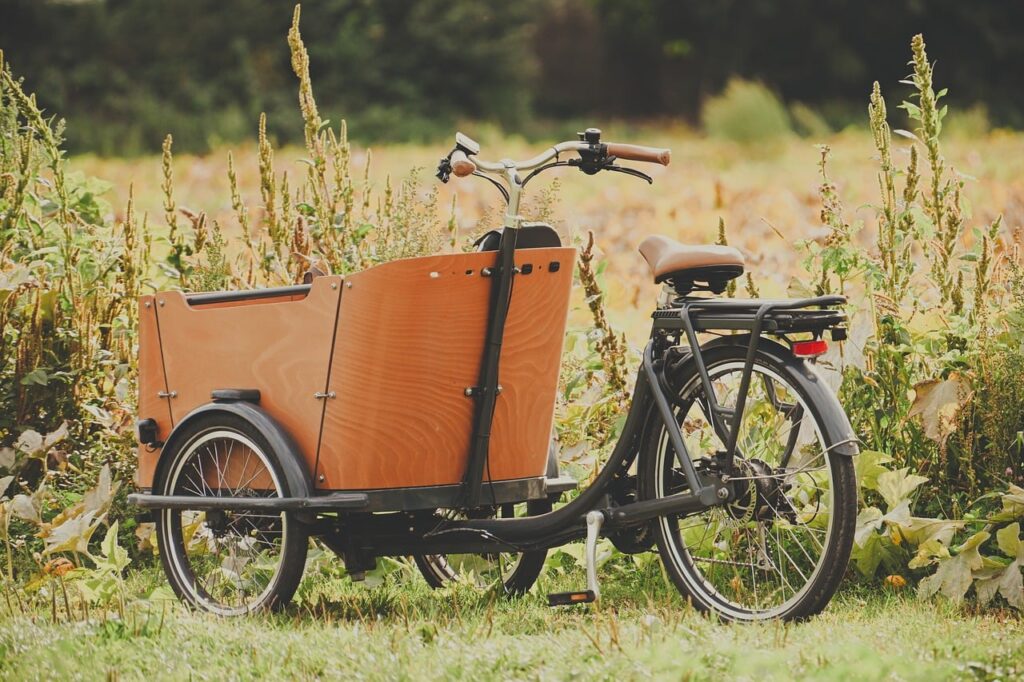
Local tips: use a lightweight yet reliable lock for quick stops, favor waterproof panniers and, if possible, carry a high-visibility vest required for night riding. When in doubt, call the operator’s customer service (numbers on official sites) to confirm bike carriage rules before you arrive at the port.
4) Accommodation, bike services and local engagement
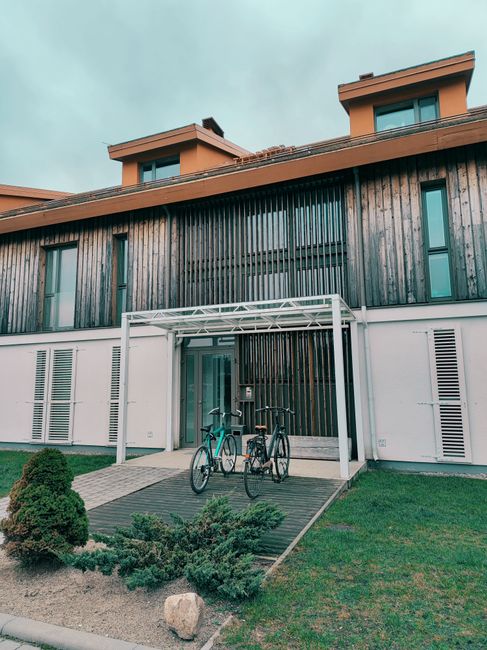
For a responsible stay, favor properties labeled « Accueil Vélo », family-run guesthouses, small inns and eco-minded campsites. The Accueil Vélo label (official in France) identifies establishments equipped to welcome cycle tourists (secure bike storage, repair kit, route info).
- Examples of Accueil Vélo accommodation:
– La Maison des Sables (guesthouse), 12 Rue des Sables, 56360 Le Palais (Belle-Île-en-Mer). Indicative price: double room €70–€110/night depending on season. Services: secure bike storage, electric battery outlet on request.
– Hôtel Le Celtique, 4 Place Hoche, 56100 Lorient. Indicative price: double room €65–€120/night. Bike room and tourist information available. - Repair and rental:
– Vélocéan Quiberon, bike workshop, 8 Rue du Port, 56170 Quiberon. Rentals: day bikes €20–€35, e-bikes €45–€70/day. Express repairs available (punctures, derailleur adjustments).
– Atelier Cyclo Brest, 10 Rue de la Porte, 29200 Brest. Services: rental, shop, e-bike charging points. - Supporting the local economy: buy local products (smoked fish, Guérande sea salt, organic vegetables at markets) and favor fishermen’s restaurants or neighborhood grocers. Local markets usually open in the mornings: for example Vannes Market (Place des Lices, 56000 Vannes) is open Tuesday/Saturday mornings, and Roscoff Market (Place Notre-Dame, 29680 Roscoff) runs every morning in season.
Conclusion — Responsible, sustainable and memorable travel in Brittany
Traveling responsibly in Brittany by combining ferries and bikes isn’t just a way to reduce your carbon emissions; it changes the rhythm of a trip, deepens your connection with the landscape, and benefits the local economy. Sea crossings give a taste of Breton identity: the scent of sea spray, a gentle roll on the water and arrival in lively ports where fishers, artisans and hosts mingle. Cycling slows the journey, blurs the line between visitor and local — you can stop for coffee at a bakery counter, chat with an oyster farmer, or discover a secluded cove only accessible by two wheels.
Practically, the key to success is preparation: know terminal addresses (Terminal Ferry, 36 Quai Duguay-Trouin, 35400 Saint-Malo; Port de Roscoff, 29680 Roscoff; Port-Haliguen, 56170 Quiberon; Gare Maritime du Conquet, Place de la Gare Maritime, 29217 Le Conquet; Terminal de Kergroise, Port de Kergroise, 56100 Lorient), anticipate bike boarding rules, book in season and choose Accueil Vélo accommodations where possible. Gear up smartly (waterproof panniers, repair kit, U-lock) and respect sensitive natural areas (dunes, salt marshes, bird reserves) by sticking to marked paths and following local tourism office recommendations.
Finally, prioritize conversation: ask captains and harbor teams for local tips, taste seafood in small ports (shellfish, grilled fish, artisanal Breton crepes) and, at your scale, contribute to maintaining quality tourism. Responsible travel in Brittany means leaving less physical impact and taking away more authentic encounters and memories. Follow these principles and your trip combining ferries and bikes will be not only greener but deeply rewarding.