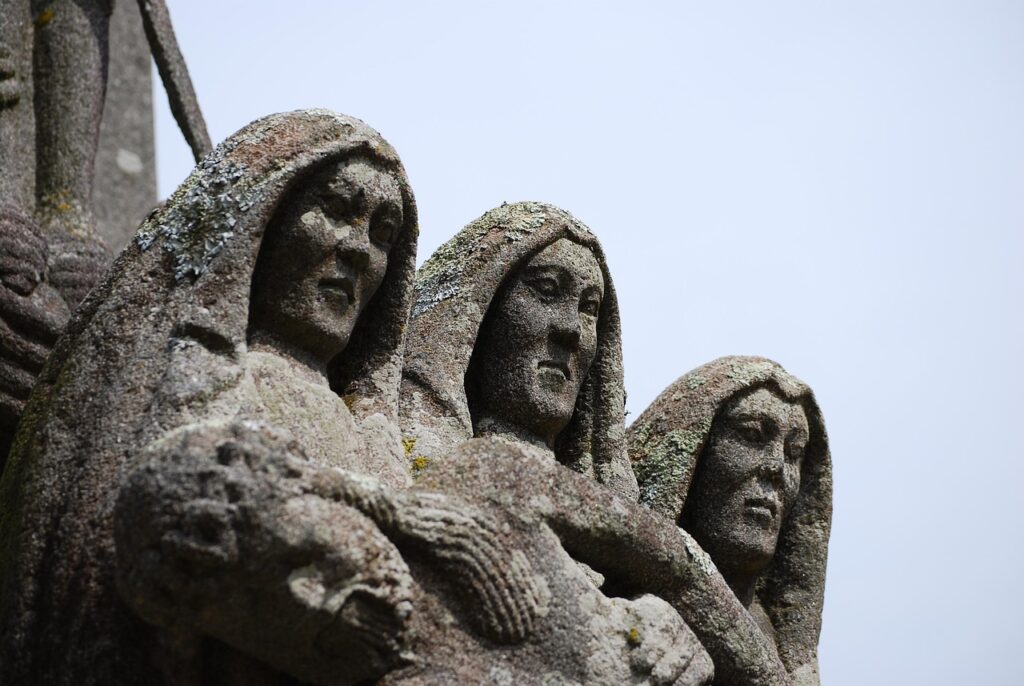






Introduction: Between Popular Faith and Community Celebration — Understanding Breton Culture
Brittany is a place where the sacred and the festive have blended for centuries. Between the pardons — deeply rooted Catholic pilgrimages of popular devotion — and the modern festoù-noz — nights of Breton music and dance listed as UNESCO intangible cultural heritage — there unfolds a living story made up of rituals, music, costume and a resilient regional language. To understand Breton culture is to dive into these two seemingly opposite poles: the communal fervour of the pardons, often centered on a chapel or basilica, and the secular buzz of the festoù-noz, where young and old join hands to dance in a circle to the sound of bombardes and binious.
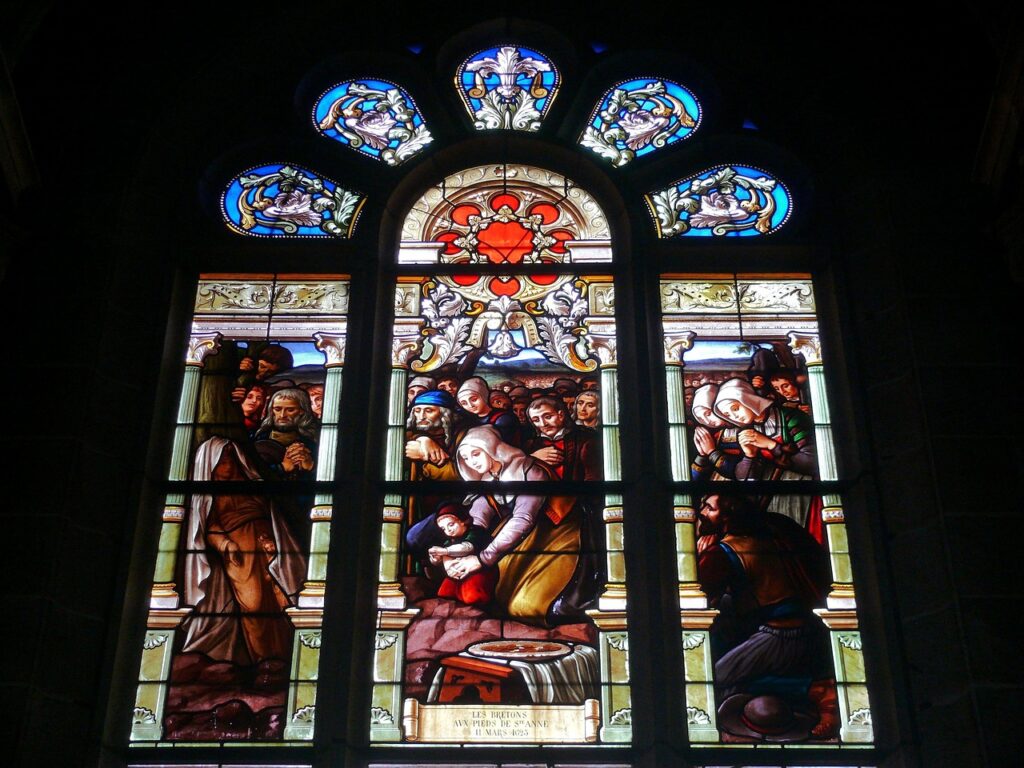
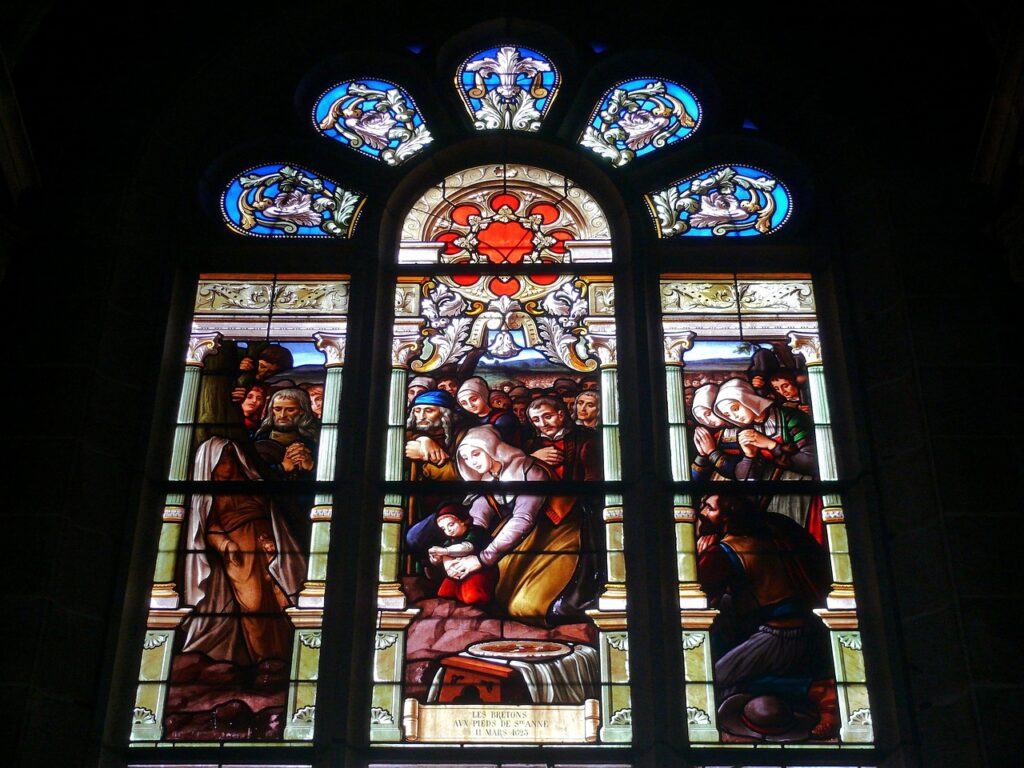
Pardons are Catholic religious events specific to Brittany: they bring together the faithful, pilgrims and visitors around a patronal feast to honor a protective saint, ask for a grace or renew a family vow. They combine processions, mass, blessings and sometimes rites for fishermen and seafarers. These ceremonies, sometimes solemn, take place in iconic sites like the Basilica of Sainte-Anne d’Auray (Place Sainte-Anne, 56400 Sainte-Anne d’Auray) or the chapel in Locronan (Place des Halles / Place de la Fontaine, 29180 Locronan). Opening hours vary with the season: the basilica is generally open daily from 8:00 to 19:00, with Sunday mass at 11:00; specific schedules for pardons are announced locally and the major pardons often occur in July or August. Entry to places of worship is free, though donations may be invited for certain ceremonies; guided tours of the basilica typically cost around €5–8 per person.
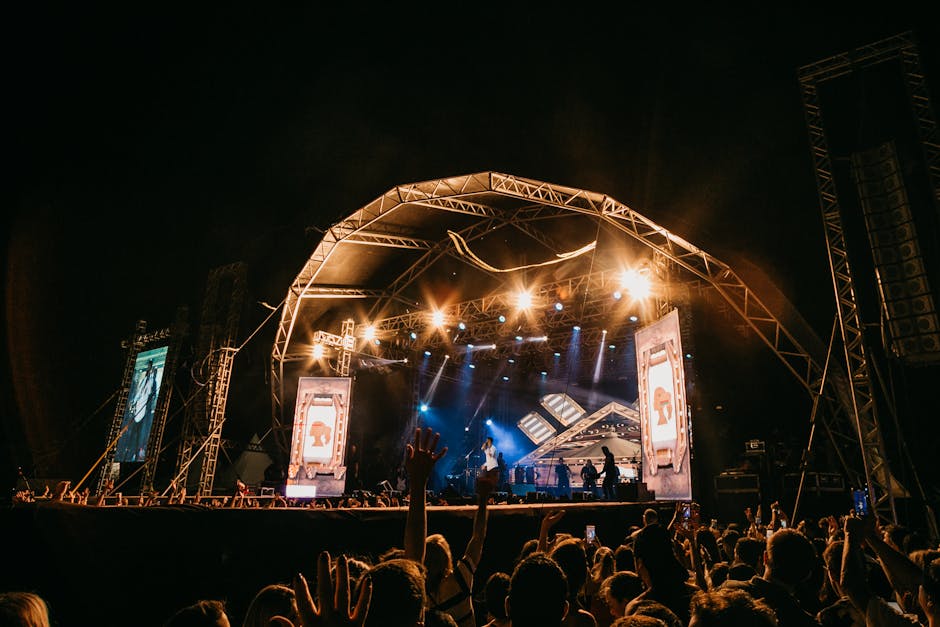
At the other end of the spectrum, festoù-noz are musical and dancing evenings. Born from village gatherings and rural night vigils, they evolved in the 20th century into cultural events that promote the Breton language, traditional music and contemporary creativity. From Rennes to Lorient, via Quimper and Saint-Brieuc, festoù-noz take place in community halls, festival tents and civic centres. A major example is the Festival Interceltique de Lorient, held every summer at the Parc des Expositions de Lorient (Rue Jacques de la Hyre, 56100 Lorient): its concerts and festoù-noz draw thousands. Prices vary: local festoù-noz usually cost €5–12; festival nights range from €20 to €60 depending on the program.
This guide-article is designed to give you a thorough, practical overview: immersive descriptions of sites, exact addresses, typical opening hours, indicative prices and on-the-ground tips to make the most of these experiences — whether you’re after the solemnity of a pardon, the conviviality of a fest-noz, or the meeting point between memory and cultural renewal. We’ll also cover museums and cultural centres that explain these dynamics, like the Écomusée de Bretagne and the Musée de Bretagne in Rennes, and offer recommendations on how to participate, observe and respect these traditions. Along the way you’ll find suggested itineraries, clothing tips (shoes recommended for dancing) and precautions for summer pilgrimages or bad weather. Get ready to smell the candles, hear a tambourine roll, and be swept away by tunes that are often passed down from generation to generation.
Pardons: Rituals, Iconic Sites and Practical Tips for Participation
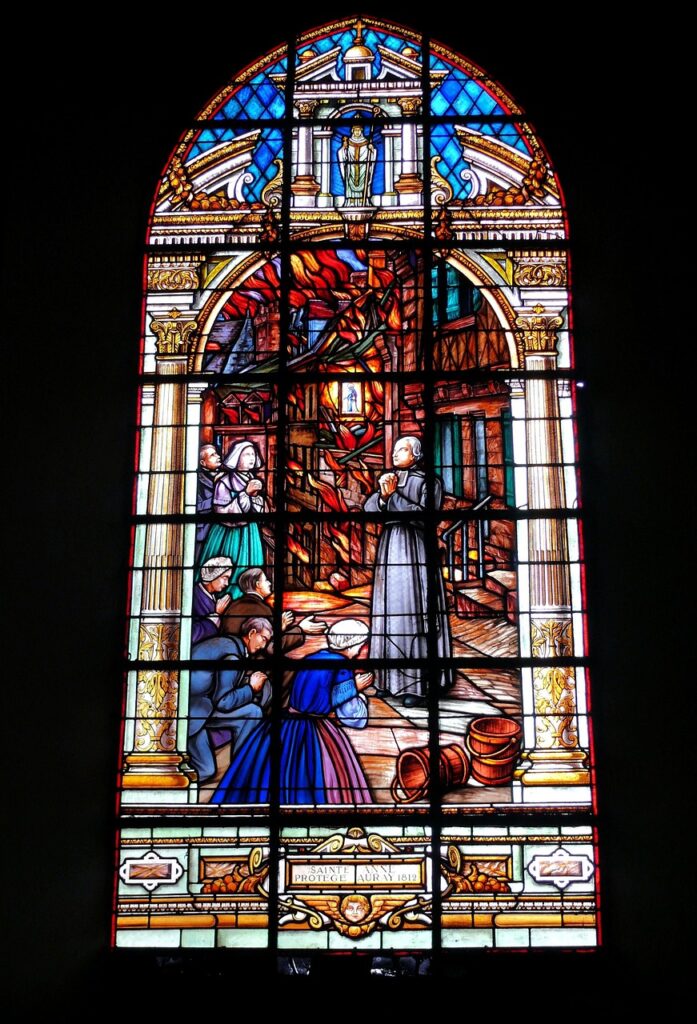
Breton pardons are marked by a mix of Catholic piety, popular customs and festive expression. They usually take place around a chapel or basilica, featuring a solemn mass, blessings of clothing or fishing gear, processions in traditional costume, and sometimes vespers or services in Breton. One of the best-known pardons is the Pardon of Sainte-Anne d’Auray, celebrated at the Basilica of Sainte-Anne d’Auray (Place Sainte-Anne, 56400 Sainte-Anne d’Auray). The basilica is open daily from 8:00 to 19:00; regular services include Sunday mass at 11:00 and vespers at 17:30. Access to the basilica is free; guided visits: €6 (indicative 2024 rate), with reductions for groups and school parties.
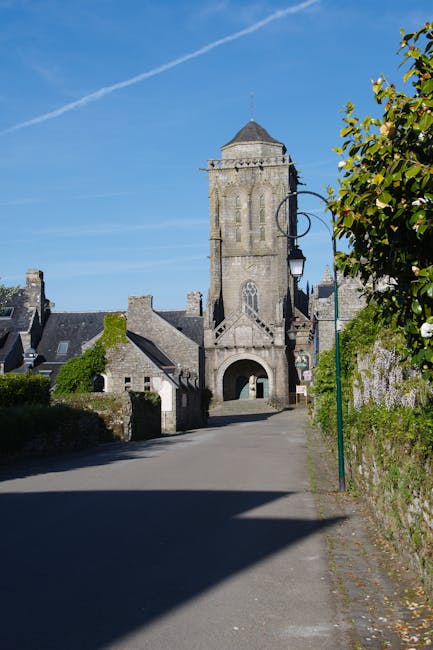
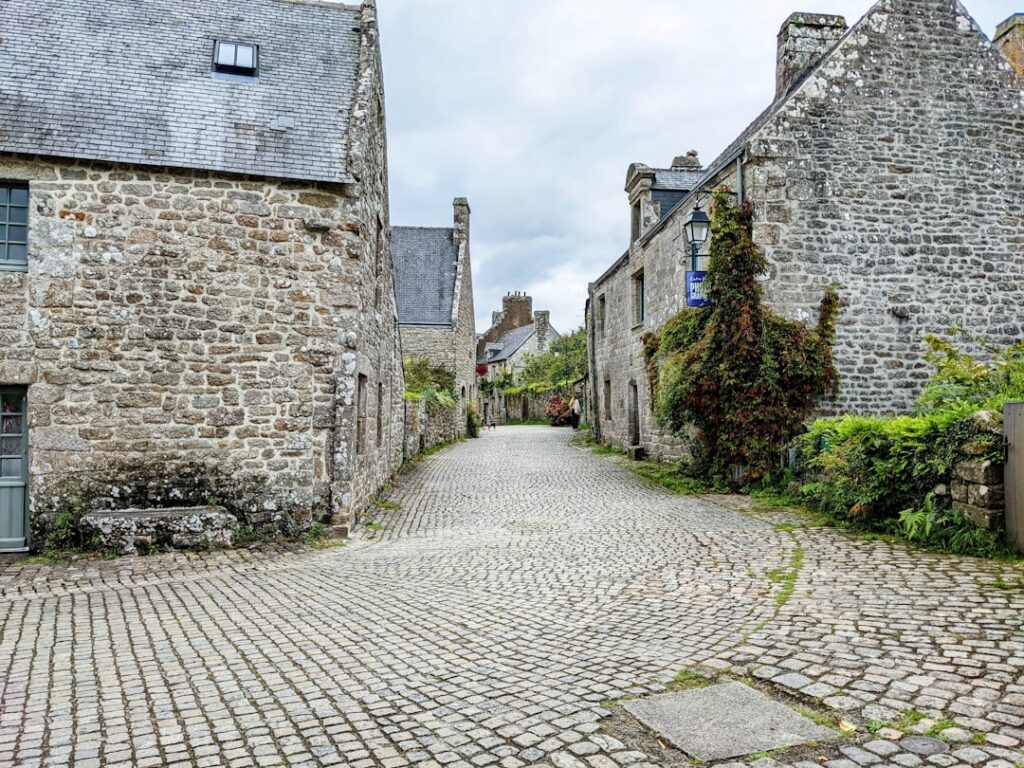
Another emblematic site is Locronan, a small town of character (Place des Halles / Place de la Fontaine, 29180 Locronan), which has hosted famous pardons since the Middle Ages. Visitors can attend the Pardon of Notre-Dame de Locronan, usually in July. Chapels and the parish open early: chapel open 9:00–18:00, mass at 10:30. Access to the town is free, but guided tours of the historic centre cost about €7–10 per person.
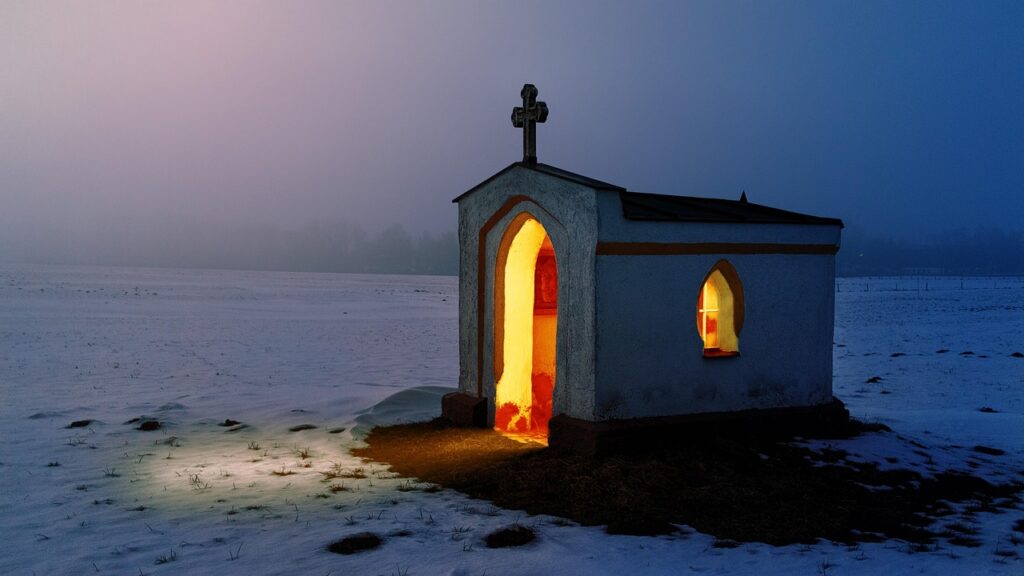
Practically speaking, here are some recommendations for taking part in a pardon: arrive early (at least 30–60 minutes) to secure a spot during major ceremonies; dress respectfully and for the weather (bring a waterproof coat if needed); during processions follow the directions of local organizers; if you plan to photograph, ask permission during sensitive liturgical moments. Major pardons can draw thousands of people — plan your transportation accordingly: the nearest station to Sainte-Anne d’Auray is Auray (1 Boulevard du Maréchal Foch, 56400 Auray), served by TGV and TER. Parking: municipal car parks may be free or paid depending on the season. Finally, respect local offerings — even if entry is free, a small contribution (€2–5) is often appreciated on exit.
Festoù-noz: Venues, Dance Practice and Tips for Joining In
The fest-noz (literally “night-party” in Breton) is the modern, most vibrant expression of Breton popular culture. Festoù-noz take place in village halls, multipurpose venues, tents and sometimes outdoors. In Rennes, cultural venues like Le Parc Expo (Parc des Expositions de Rennes, Avenue du Général Patton, 35700 Rennes) and clubs such as La Chapelle (address varies by program) regularly host evenings. In Lorient, the Festival Interceltique (Parc des Expositions de Lorient, Rue Jacques de la Hyre, 56100 Lorient) offers several paid festoù-noz: evening tickets €25–55 depending on headliners. For a local night out, expect to pay between €5 and €12 for entry.
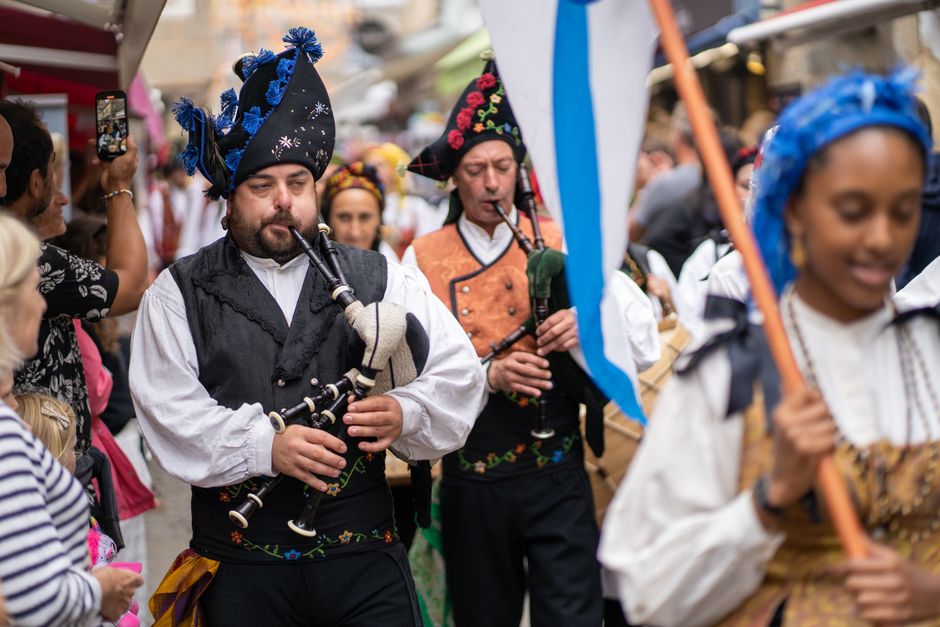
Dance at a fest-noz is built on collective steps: gavotte, an dro, hanter dro, plinn… These dances are passed down orally and learned on the spot. For beginners, there’s often an initiation workshop before the party (30–60 minutes), sometimes included in the ticket or offered for €3–5. Wear comfortable shoes with flexible soles; avoid stilettos; choose clothing that allows movement. Dances happen in sequences: watch the regulars, find your place in the chain and follow the basic step until you feel confident.
Practical tips: arrive early if you want a good spot near the musicians; bring water as some venues have limited sales points; respect dancers’ space; if you take photos or videos, ask people’s permission. Note that festoù-noz can run late (10:00 pm–2:00 am depending on the program). Families are welcome; some nights offer specific activities for children. To book, check local ticket offices (Lorient Tourist Office: Place Jules Ferry, 56100 Lorient, opening 9:00–18:00; phone +33 (0)2 97 21 15 44) or official festival websites.
Museums, Cultural Centres and Transmission: Living Archives of Breton Culture
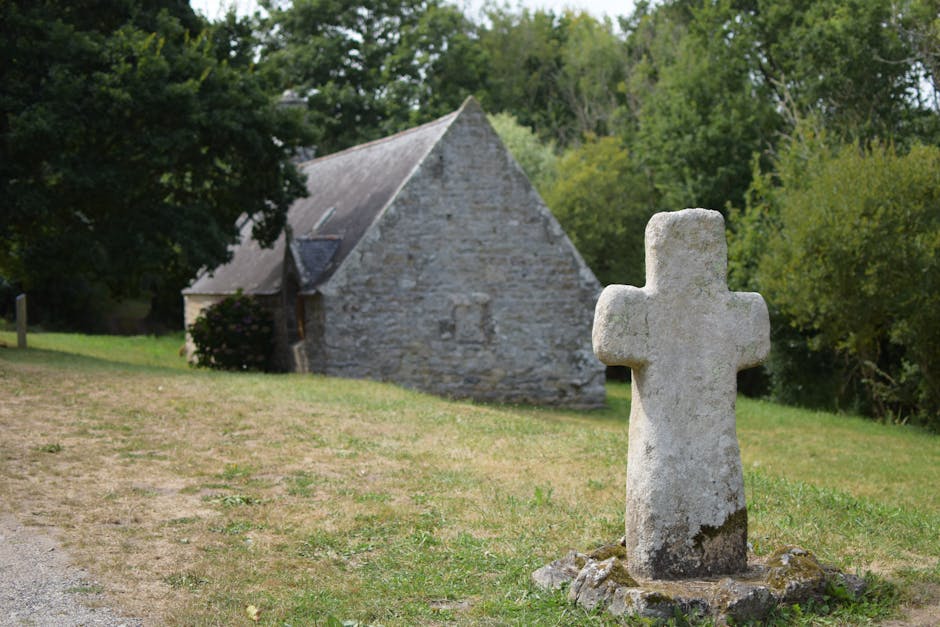
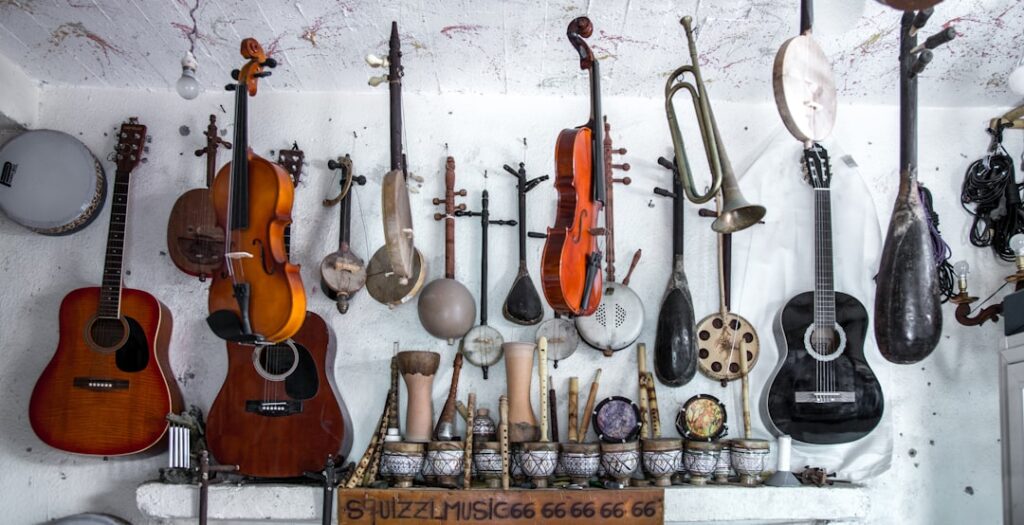
To grasp the historical depth of Breton culture, visit institutions that document and display its practices: the Écomusée de Bretagne in Saint-Denis (Espace culturel de Bretagne), the Musée de Bretagne in Rennes, and linguistic centres for the Breton language. The Écomusée de Bretagne is located at Parc du Radôme, allée du Radôme, 35220 Dingé? (Check locally: Écomusée de Bretagne – Route de la Grée, 35360 Montfort-sur-Meu is another site depending on the exhibition; opening hours and locations can vary by season). The Musée de Bretagne (2 Rue Émile Deschanel, 35000 Rennes) is open Tuesday to Sunday, 10:00–18:00; full price: €6–8, free for under-18s. These institutions feature permanent and temporary exhibits on social history, costumes, instruments (bombarde, biniou, diatonic accordion) and the daily life of Bretons.
The cultural centre Le Fourneau – National Centre for Street Arts (Passerelle arts de rue), based in Brest and regional branches, runs residencies and shows around popular arts. Dance, music and Breton language workshops are regularly offered: workshop fees €5–15 depending on duration, sometimes subsidized. Public libraries and associations like the Office Public de la Langue Bretonne (Ofis Publik ar Brezhoneg) provide resources and courses — check their websites for schedules and prices: Ofis Publik ar Brezhoneg, 2 avenue de la Harpe, 29200 Brest (contact details may need local verification).
Joining workshops helps you understand the link between heritage protection and renewal: how traditional culture stays alive through contemporary creation — fusion music groups, reinterpreted choreographies, intercultural festivals. Museums also hold audio and video archives so you can listen to old recordings of festoù-noz and pardon chants, adding an emotional layer to your visit. Check seasonal opening hours and book ahead for popular exhibitions, especially during high tourist season (July–August).
Conclusion: How to Experience, Respect and Help Sustain Breton Culture
Breton culture, rich and full of contrasts, is best discovered by both watching and taking part. Pardons welcome you into a space of devotion and religious tradition; festoù-noz offer the communal warmth of music and dance. Between them, museums and cultural centres let you go deeper and understand contemporary transmission issues. To experience these events: plan your visits — check opening hours for sites mentioned (Basilica of Sainte-Anne d’Auray, Place Sainte-Anne, 56400 Sainte-Anne d’Auray; Musée de Bretagne, 2 Rue Émile Deschanel, 35000 Rennes; Festival Interceltique de Lorient, Parc des Expositions de Lorient, Rue Jacques de la Hyre, 56100 Lorient), respect local practices (attire, photography, offerings), take part in initiation workshops, and support institutions by buying tickets and local products.
Final tips: learn a few Breton words if you can — hello “demat”, thank you “trugarez” — it’s always appreciated; favour small village fêtes for an authentic immersion; respect church schedules and rules during pardons; and above all, let the music and friendliness carry you: Breton culture is passed on through practice as much as through memory. By respecting these codes and joining in with curiosity, you’ll help keep a living heritage vibrant — old in roots and constantly reinventing itself.