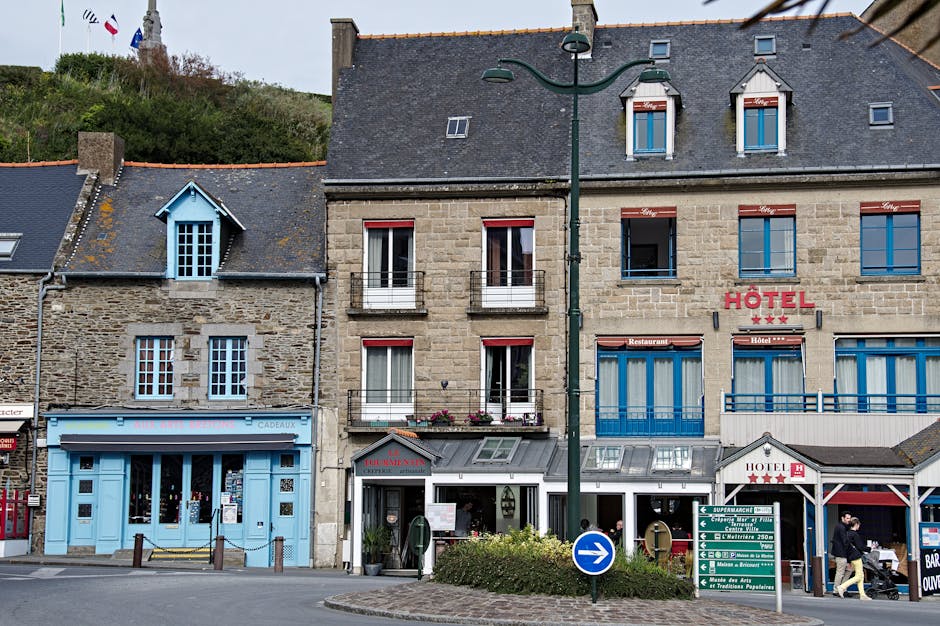






Introduction: Why Finistère Deserves a Visit
Finistère, the westernmost tip of Brittany, is a condensed slice of ocean, granite, maritime traditions and accessible islands. With dizzying headlands, lighthouses that puncture the horizon and wind-battered archipelagos, every corner of this department delivers a different experience: coastal hikes, maritime heritage, seafood tasting, intense shorebird watching or simply soaking up spectacular sunsets. This general guide is meant to point you in the right direction for a full, practical and immersive getaway so you can get the most out of Finistère—whether you’ve got a long weekend or a week to unwind.
We’ll cover must-see spots — headlands like Cap Sizun, iconic lighthouses such as the Eckmühl Lighthouse and the Île Vierge Lighthouse, and islands to visit like Ushant (Ouessant), Molène and Île de Batz — with practical details: exact addresses, admission prices, opening times and local tips. The goal is to satisfy the hiker who wants to walk the GR34, the family looking for sheltered beaches, and photographers hunting dramatic panoramas alike.
This guide includes recommendations on getting around (car, ferry, bike), tips to avoid the crowds in high season, and suggestions for restaurants and viewpoints. The details are meant to be actionable right away: you’ll be able to plan a day around a headland and a lighthouse or organize a crossing to an island with knowledge of schedules and prices. And of course we don’t forget the food: oysters, crêpes, kouign-amann and grilled fish are integral to the Finistère experience and deserve specific recommendations.
Pack your walking shoes, a rain jacket (weather changes fast) and your camera: Finistère rewards the effort with unforgettable light and scenery. The following sections delve into four complementary themes — headlands and cliffs, historic lighthouses, accessible islands and practical itineraries — to help you build a memorable escape.
Must-see Headlands: Wild Beauty and Coastal Trails
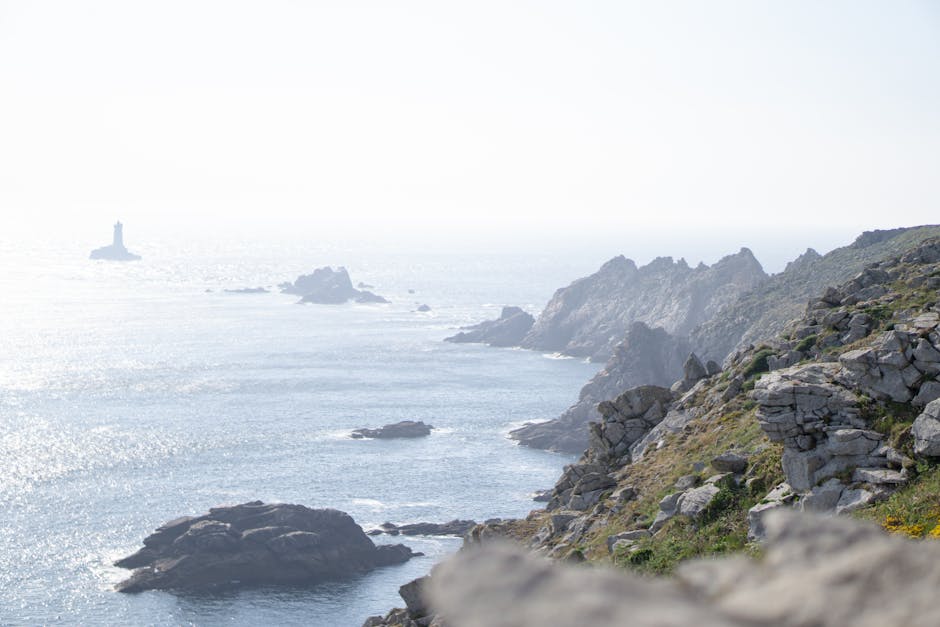
Finistère boasts several headlands that shape the department’s maritime identity. Among them are Cap Sizun (Pointe du Raz and Pointe du Van), the Crozon peninsula and Pointe Saint-Mathieu. These promontories offer Atlantic views, granite cliffs, heathland dotted with heather and trails that thrill hikers. Here are practical pointers for each spot:
- Pointe du Raz — Address: Pointe du Raz site, 29770 Plogoff. Fees: natural site access is free, parking is paid from around €4.50 per day (indicative, varies in high season). Opening times: the site is accessible 24/7; the visitor center and shop 10:00–18:00 (May–Sept). Description: panoramic views over the Iroise Sea, sheer cliffs and waymarked paths; a sunset must-see. Tip: arrive early to avoid tour buses and catch low-angle morning light.
- Pointe du Van — Address: Pointe du Van, 29770 Plogoff (parking nearby). Fees: free access. Opening times: site accessible year-round. Description: quieter than Pointe du Raz, Pointe du Van offers spectacular views over the island of Sein in clear weather. Ideal for photos and seabird watching.
- Cap de la Chèvre (Crozon Peninsula) — Address: Cap de la Chèvre, 29160 Crozon. Fees: free access, parking €3–5 per day depending on season. Opening times: trails open year-round; the heritage house follows seasonal hours (check local tourist offices). Description: hidden coves, views over the roadstead of Brest, steep cliffs. Tip: combine the headland with a stop at Anse de Pen-Hir (viewpoint) for a half-day route.
- Pointe Saint-Mathieu — Address: Abbey of Saint-Mathieu, Rue de l’Abbatiale, 29870 Plougonvelin. Fees: grounds are freely accessible; abbey and lighthouse visits are ticketed (around €5–7). Opening times: site accessible; guided visits and museum times vary by season, generally 10:00–18:00. Description: abbey ruins beside a lighthouse, romantic atmosphere, views over the roadstead of Brest. Tip: climb the bell tower for panoramic views (check opening times before you go).
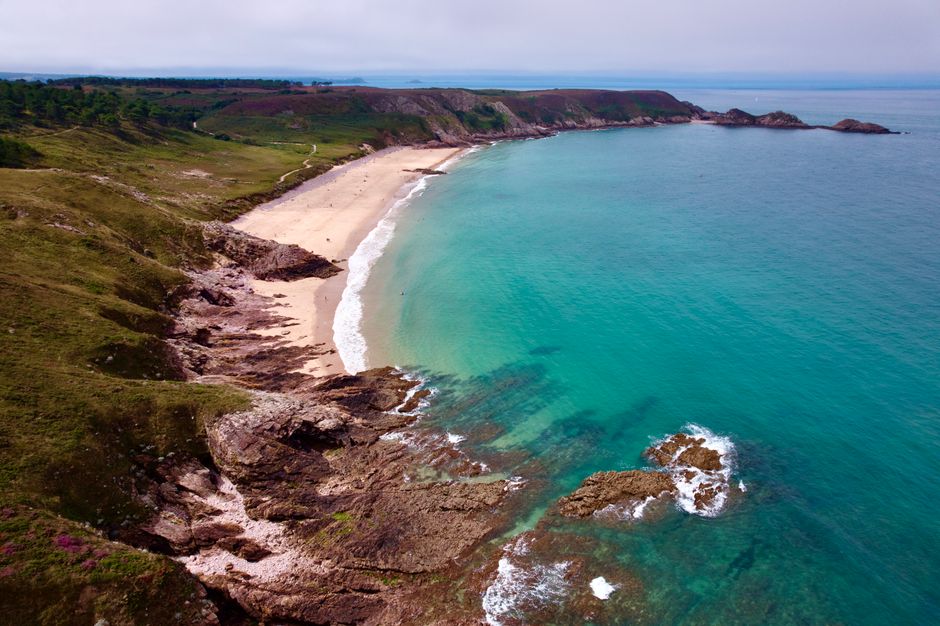
Practical tips for exploring headlands: wear closed hiking shoes (paths can be muddy), bring a windproof jacket and water. The GR34 trail links many of these spots and lets you compose loops from a few hours to several days. In summer, parking lots can fill up by 10:00 AM; favor off-peak hours (very early morning or late afternoon).
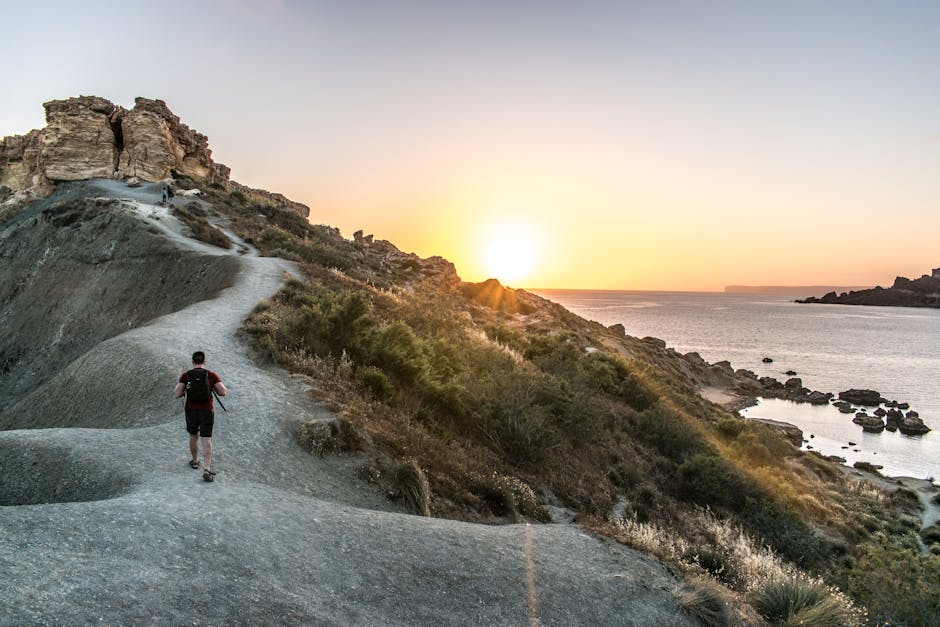
Iconic Lighthouses: History, Visits and Views
Finistère’s lighthouses are both historical monuments and lookout points over the open sea. They tell the story of navigation and offer exceptional viewpoints. Here’s a selection of lighthouses to visit, with addresses, fees and opening hours:
- Eckmühl Lighthouse — Address: Phare d’Eckmühl, 29760 Penmarch. Fees: summit climb €3.50 (reduced €2.50), free for children under 5 (indicative). Opening times: open April–September 10:00–12:00 and 14:00–18:00 (closed occasionally). Description: tall and white, it overlooks the Pointe de la Torche and nearby beaches; 307 steps lead to a panoramic view over the dunes and ocean. Tip: combine this visit with a stop at the port of Saint-Guénolé and a seafood platter.
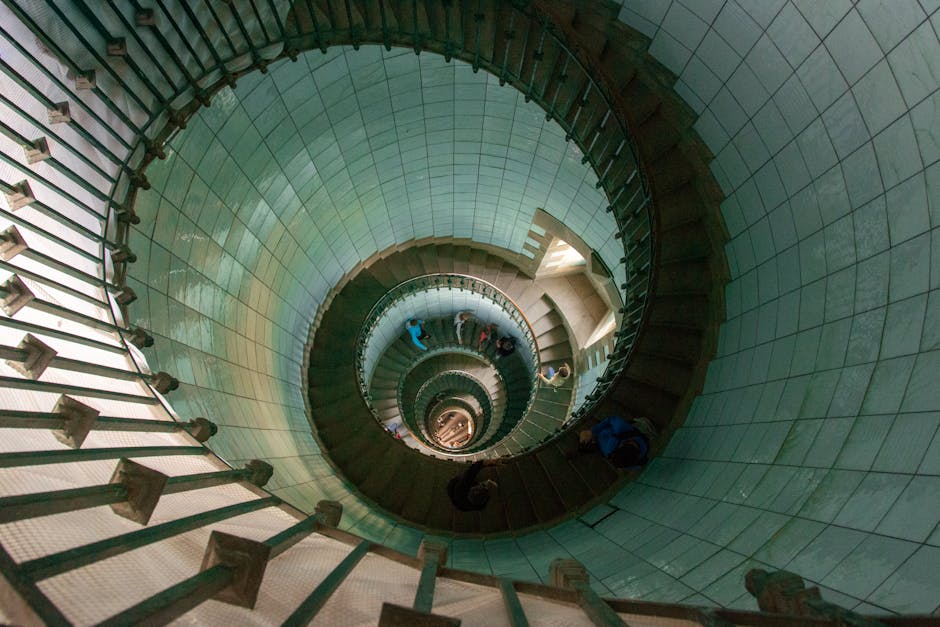
- Île Vierge Lighthouse — Address: Phare de l’Île Vierge, Île Vierge, 29830 Plouguerneau (access by boat from Le Conquet/Le Diben depending on season). Fees: guided visits vary (usually €6–8), round-trip boat fares depend on operator €10–25. Opening times: visits available in season; check crossing schedules. Description: the tallest stone lighthouse in Europe (82.5 m), with an impressive spiral stair and remarkable architecture. Tip: check crossings and book the climb in advance; weather on the island can be rougher.
- Île Vierge Lighthouse — Practical Note — Note: access is highly dependent on sea conditions; contact the Pays d’Iroise Tourist Office (Maison du Littoral) for details: Office de Tourisme du Pays d’Iroise, 15 Rue du Général de Gaulle, 29217 Le Conquet. Phone: +33 (0)2 98 82 11 73. Opening times: office generally 09:30–12:30 and 14:00–17:30 in low season, extended in summer.
- Le Stiff Lighthouse (Ushant / Île d’Ouessant) — Address: Le Stiff, 29242 Ouessant (on Ushant island). Fees: museum and climb about €6–9 (varies); crossings from Brest/Le Conquet €20–35 round-trip depending on operator and season. Opening times: museum usually 10:00–18:00 in summer. Description: a massive lighthouse offering sea and cliff views; the island preserves Breton maritime culture.
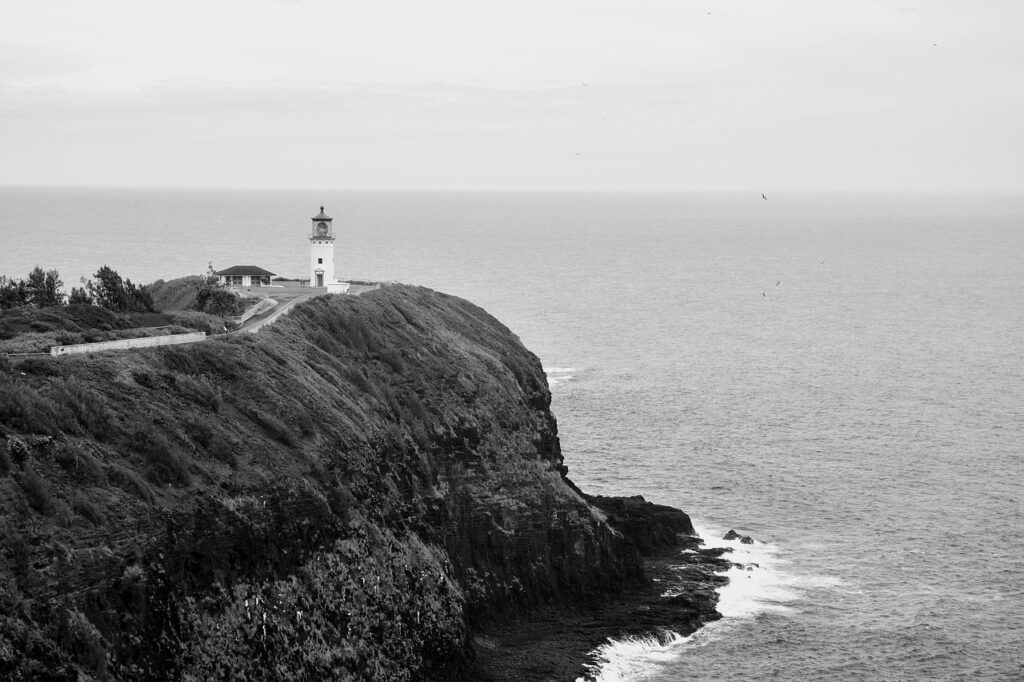
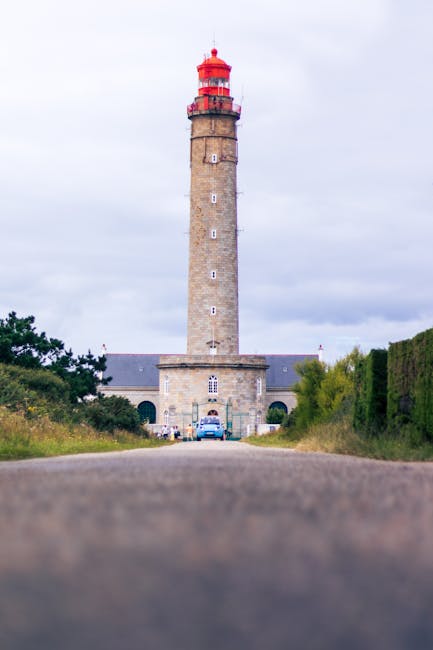
Visiting a lighthouse often means a boat crossing and narrow staircases: travel light and wear grippy shoes. Local guides share stories of keepers and shipwrecks, making visits rich in history. Photographers will find sunrise and sunset especially rewarding; families should check stair length if young children are along.
Islands Not to Miss: Ushant, Molène, Île de Batz
Finistère’s islands are mini-worlds of authenticity: whitewashed houses, coastal paths, isolated lighthouses and largely preserved landscapes. Three islands stand out for their accessibility and variety of activities: Ushant (Ouessant), Molène and Île de Batz.
- Ushant (Île d’Ouessant) — Access: boats from Le Conquet or Brest; operators include Finist’air (shuttles) and Penn-ar-Bed. Boarding address: Port du Conquet, 29217 Le Conquet. Fees: crossings around €20–35 round-trip depending on season and company. Schedules: departures in the morning and afternoon, frequency varies daily. Description: a wild island with coastal hiking (Le Stiff lighthouse loop), the village of Lampaul and a lighthouse and maritime museum. Tip: plan at least one overnight to enjoy sunset and sunrise, and pack warm clothes even in summer.
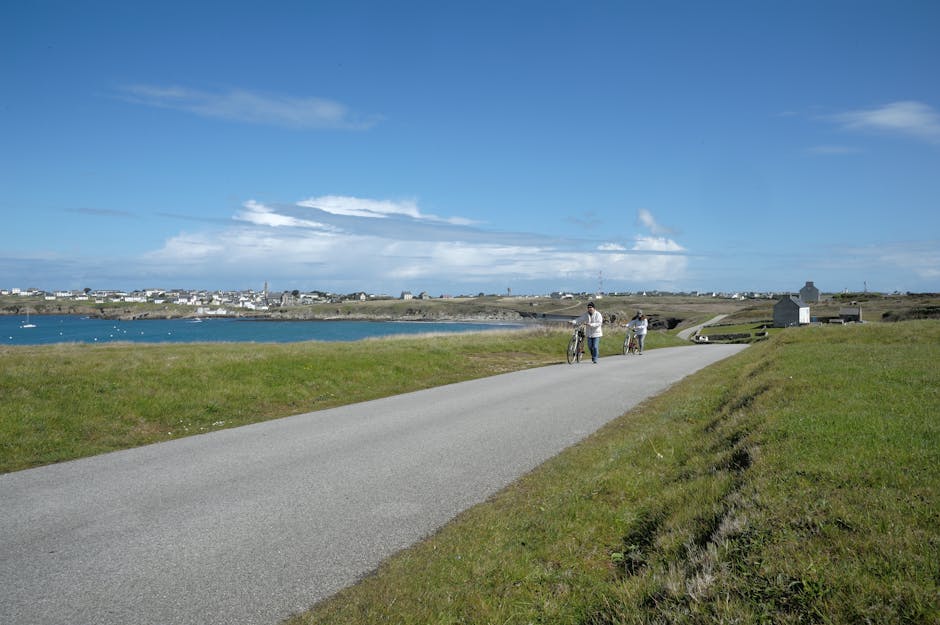
- Molène — Access: boat from Le Conquet. Fees: crossings around €15–25 round-trip. Schedules: regular crossings in summer. Description: a small island in the Iroise marine park, known for its birdlife and sheltered beaches. Perfect for a day trip, cycling and a picnic. Tip: stick to marked paths to protect nesting birds and ask about the last return boat times.
- Île de Batz — Access: boats from Roscoff, boarding at Port de Roscoff, Quai Louis Le Goff, 29680 Roscoff. Fees: crossings €12–18 round-trip (seasonal rates). Schedules: hourly departures in summer, reduced services off-season. Description: a microclimate with a Mediterranean feel and the exotic Georges Delaselle Garden (Jardin Georges Delaselle, Île de Batz, 29630 Île-de-Batz) featuring a greenhouse and rare plants. Garden fees: around €7.50 for adults, €4 for children (indicative). Opening times: generally 10:00–18:00 in season. Tip: combine the garden visit with a bike ride around the island.
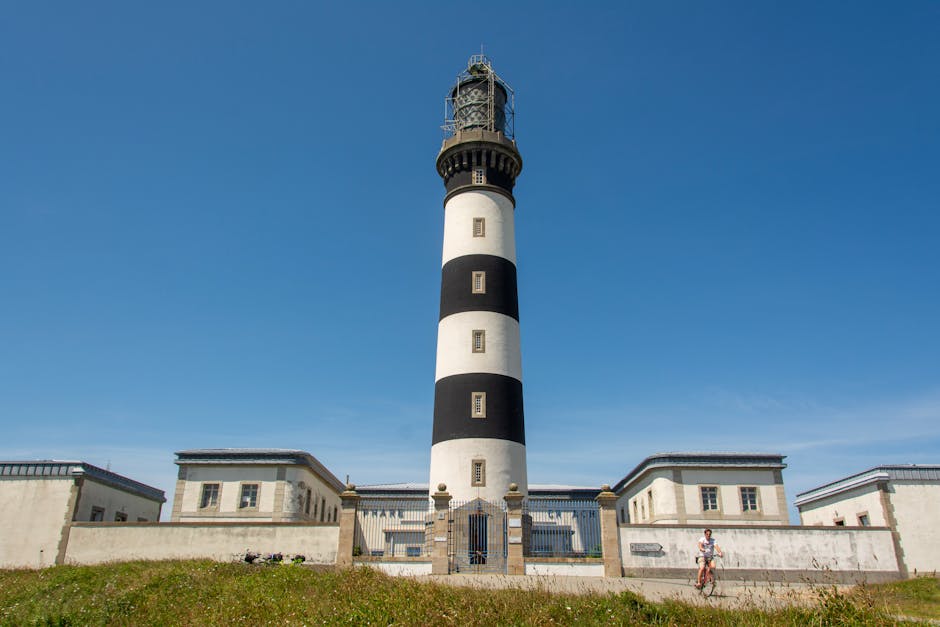
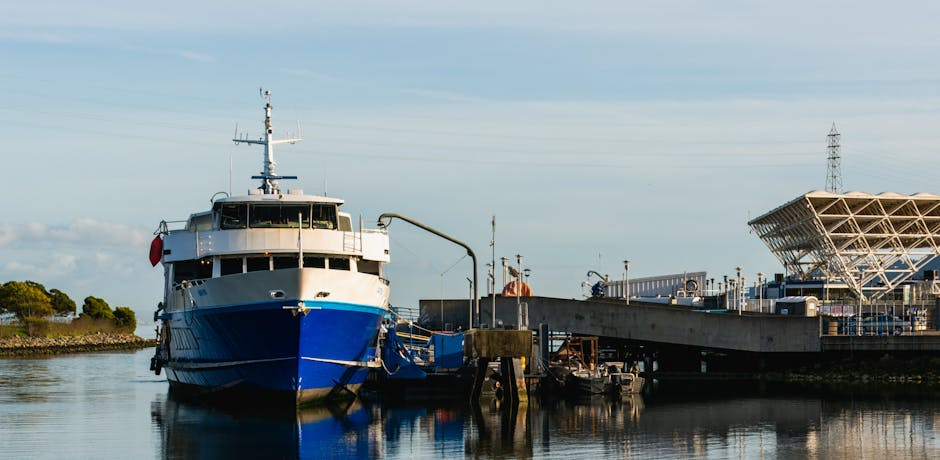
For each crossing, book tickets in advance during high season and check sea conditions. Bring some cash for island shops that may not take cards. Respect the environment: no littering on beaches, no picking of protected plants and keep noise down at night.
Practical Itineraries and Local Tips for a Successful Getaway
Organizing your trip needs a few practical choices: transport, accommodation and pace of visits. Here are sample itineraries and local tips to make the most of your Finistère escape.
3-Day Sample Itinerary
- Day 1: Arrival in Roscoff (or Brest). Morning: crossing to Île de Batz (Port de Roscoff, Quai Louis Le Goff, 29680 Roscoff). Afternoon: visit the Jardin Georges Delaselle (entry ~€7.50). Evening: dinner in Roscoff — recommended restaurant: Le Crotoy, 28 Rue de l’Auberlac’h, 29680 Roscoff (menus €15–35).
- Day 2: Drive to the Crozon Peninsula (Cap de la Chèvre), hike the GR34 and visit Anse de Pen-Hir. Overnight in Camaret-sur-Mer — family lodgings or B&Bs (average €60–120/night).
- Day 3: Head to Pointe du Raz and Pointe du Van (Plogoff), then up to Penmarch for the Eckmühl Lighthouse (visit €3–4). Return late afternoon.
Local Tips
- Getting around: a car gives the most freedom, but bus and boat connections are decent. In summer, favor park-and-ride options and bikes for short distances.
- Weather: bring layers, a windbreaker and waterproof. Even in summer the sea wind can feel cold.
- Food: try the oysters from the Camaret bay (example: Maison Le Goff, Port de Camaret-sur-Mer, 29570 Camaret-sur-Mer), and sample galettes and crêpes at local crêperies (prices €8–15 depending on fillings).
- Safety: respect markers and stay away from unstable cliff edges; currents can be strong—avoid swimming outside monitored areas.
Conclusion: Plan Your Finistère Getaway and Bring Home the Best
Finistère blends the ingredients of a compelling maritime destination: wild headlands, lighthouses steeped in history, islands with strong personalities and a food culture centered on the sea. To make the most of your time, plan a few highlight stops (Pointe du Raz, Eckmühl Lighthouse, Ushant or Île de Batz) while leaving space to wander: a pause in a harbor for oysters, a short sunset hike, or an impromptu visit to a cider house or local artisan’s workshop. The addresses and practical information in this guide—lighthouse locations, tourist office contacts, indicative prices and opening times—will help structure your trip, but always check official websites (tourist offices and ferry operators) before you travel: times and prices change with the season.
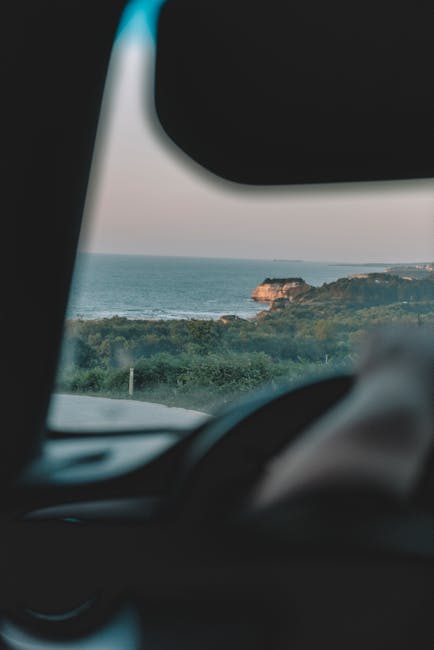
Finally, adopt the Breton spirit: respect nature, enjoy sharing and be curious about seafaring stories. Whether it’s a weekend escape or a longer stay, Finistère leaves strong visual memories—shifting light, sculpted cliffs, lighthouses silhouetted against the horizon—and tasty ones, with fish, shellfish and local pastries. By planning crossings, checking lighthouse hours and anticipating summer parking, you’ll maximize comfort and enjoyment.
Take the time to listen to the wind, watch the birds and savor every view: Finistère reveals itself slowly, and its treasures are well worth the effort. Safe travels and wonderful discoveries at the Breton edge of the world!