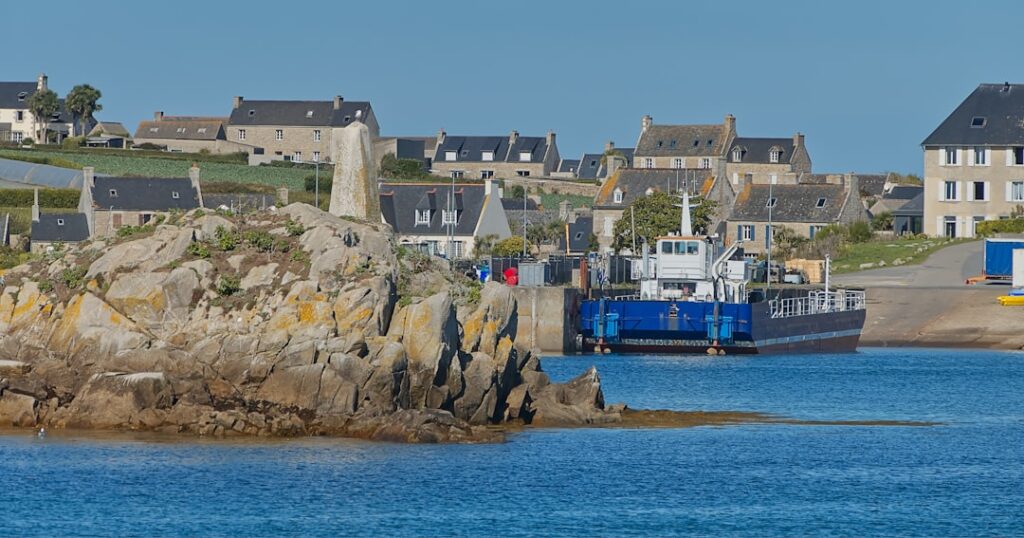






Introduction — Crossing Brittany: between rails and roads, a big-picture guide
Brittany is a region of striking contrasts: jagged Atlantic coasts, sheltered bays, bocage and moorlands, bustling fishing harbours and historic towns built in granite. For the modern traveler the mobility question comes up fast: should you cross Brittany by train, by car, or mix the two? This complete guide aims to give a practical, detailed and immersive overview of the must-do journeys across Brittany’s four departments (Ille‑et‑Vilaine, Côtes‑d’Armor, Finistère, Morbihan), with exact addresses, approximate costs, typical schedules and local tips to optimise each stop.
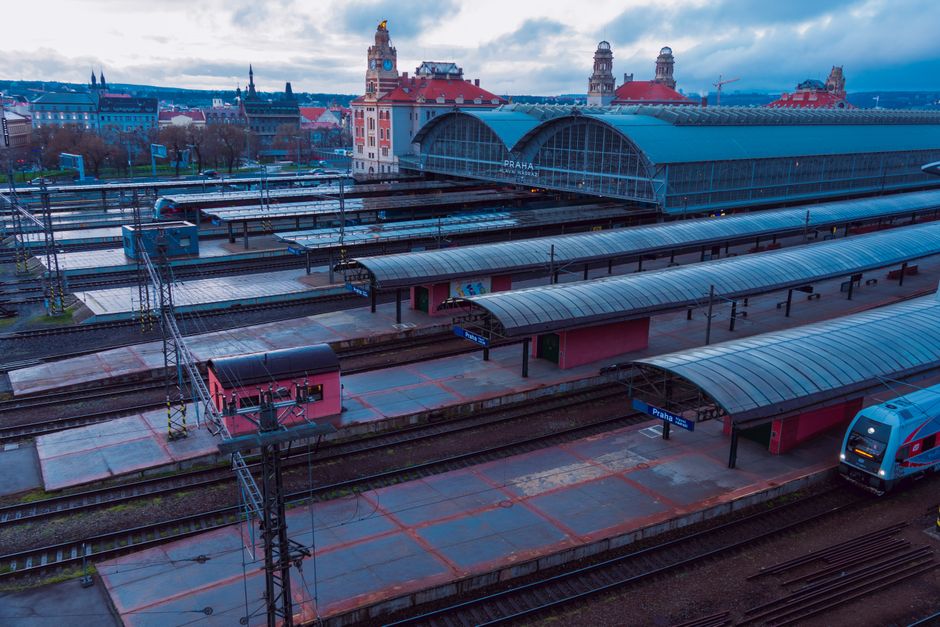
Traveling by train in Brittany means using the regional network (TER Bretagne) which links main towns to the coast. Trains run Rennes–Saint‑Malo in about 1h10, Rennes–Brest in 2h10–2h30, Rennes–Quimper in roughly 2h00–2h30 depending on the service. Major stations (Rennes, Brest, Saint‑Brieuc, Quimper, Lorient, Vannes) are convenient entry points for walkers and cyclists: many have luggage lockers, bike hire or shared bikes, and bus connections to more remote sites. The train is perfect for visitors who want to avoid parking stress and enjoy city stopovers (Rennes, Saint‑Malo, Vannes, Quimper), but you’ll need to accept timetable constraints and arrange connections to reach secluded coves or headlands.
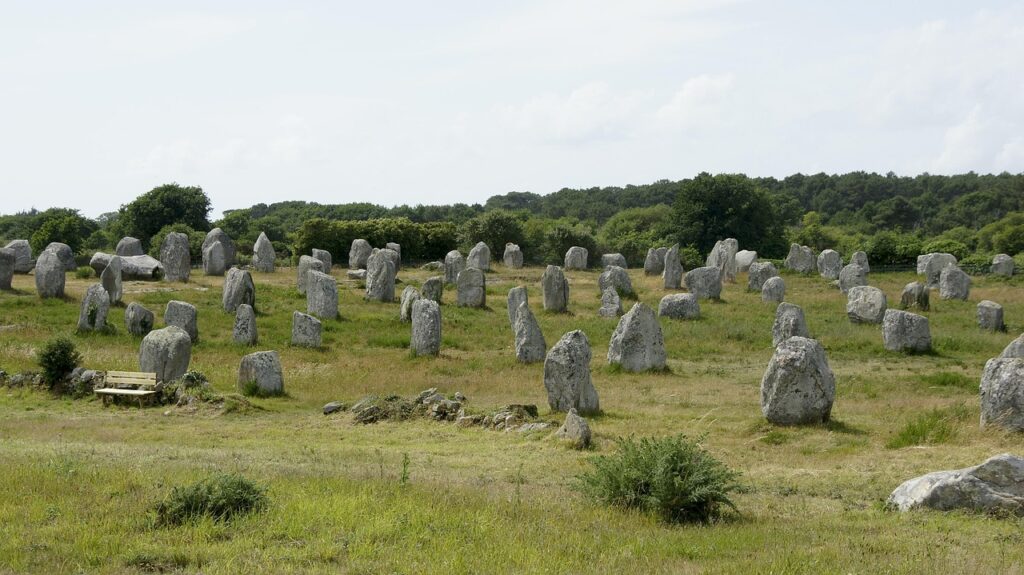
The car, on the other hand, offers unparalleled freedom: coastal routes (D786, D788, D2), quick inland shortcuts via the N12 or N164, and the chance to park close to viewpoints — but at a cost: fuel, parking fees, sometimes tolls, and narrow roads in high season. By car you can explore the Crozon peninsula (Finistère), the Pink Granite Coast (Côtes‑d’Armor), or follow Morbihan’s wild shoreline stopping at Carnac (Alignments of Carnac, Avenue des Alignements, 56340 Carnac) and Quiberon (Côte Sauvage beach, 56170 Quiberon).
This general guide is organised into five main sections: 1) major rail connections and practical tips; 2) essential driving routes for a road trip; 3) combining train and car (park-and-ride, rentals, intercity strategies); 4) themed routes (coast, heritage, food); 5) practical advice (budget, typical schedules, safety, local sensibilities). Each section includes precise addresses (stations, tourist offices, parking), indicative prices in euros, sample timetables and immersive descriptions to help you pick the transport mode that fits your needs. Local tips will help you avoid tourist traps, find the best viewpoints and enjoy authentic experiences (markets, family-run crêperies, early-morning walks).
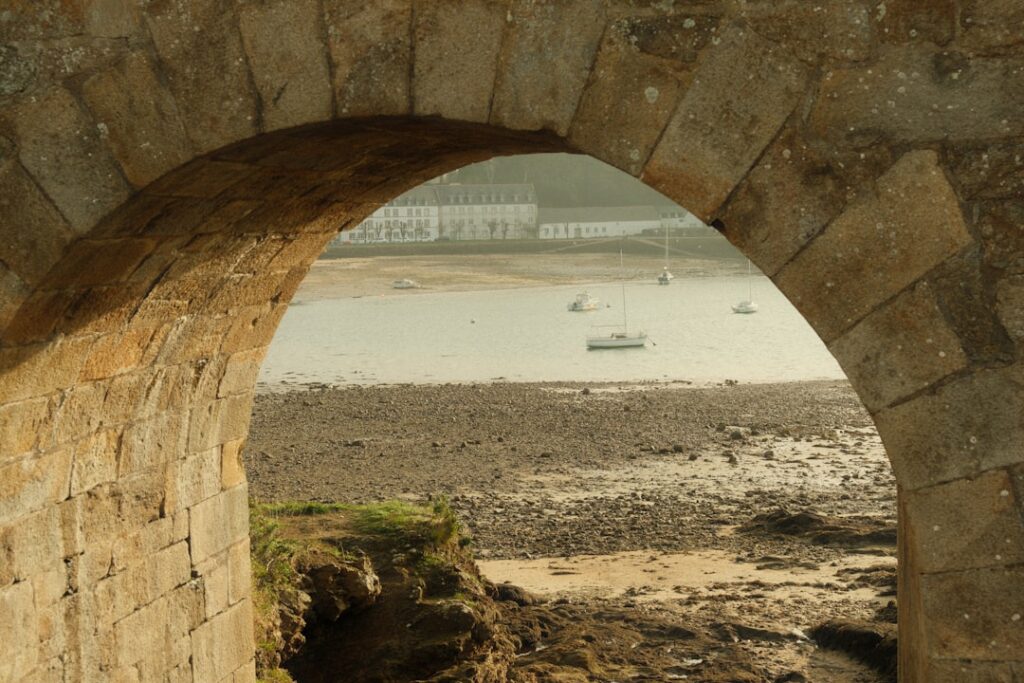
We’ll also insert visual reference points throughout to illustrate the most photogenic stages: historical ramparts, lighthouses, fishing harbours, alignments of menhirs, exposed capes. These markers 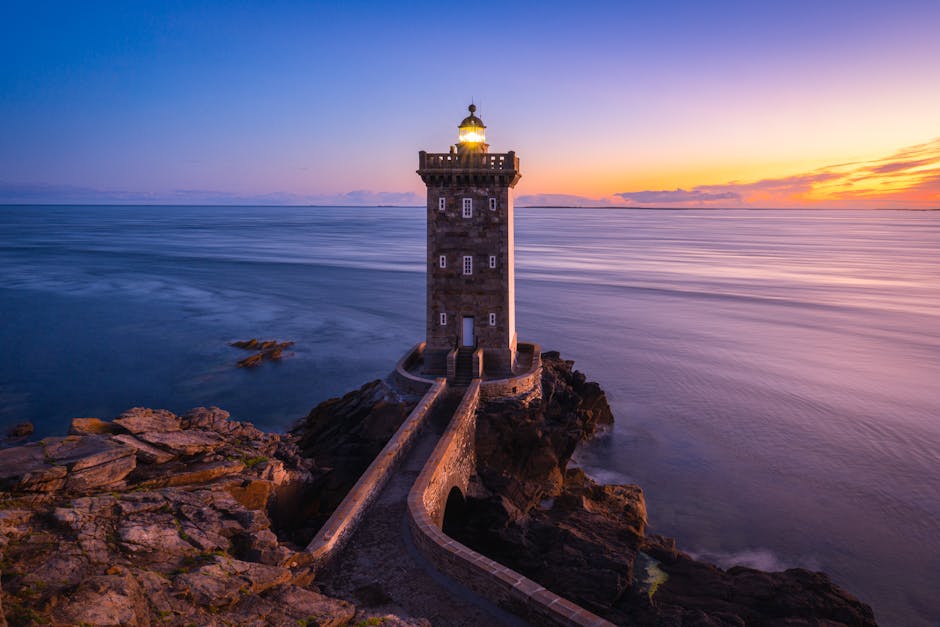 can be used to picture the places while planning your trip. Whether you prefer the unhurried pace of rail or the freedom of the road, this guide will help you plan a crossing of Brittany tailored to your wishes: a one-week route, a weekend break, or a photography tour along the coast.
1) Crossing Brittany by train: routes, stations and practical tips
The regional rail network TER Bretagne is the backbone of public travel. Main lines serve Rennes (administrative and rail capital), Brest (Finistère), Quimper (Finistère), Lorient and Vannes (Morbihan), Saint‑Brieuc and Lannion (Côtes‑d’Armor). Key stations and useful addresses:
- Rennes Station — Place de la République, 35000 Rennes. Ticket office generally open 05:30–22:00, station hall accessible 24/7. Automated lockers available (4–8 € depending on size, 24h).
- Saint‑Malo Station — 2 Rue du Maréchal Foch, 35400 Saint‑Malo. Indicative ticket office hours 06:00–20:00 (seasonal variations).
- Brest Station — Place de la Liberté, 29200 Brest. Ticket office around 05:30–21:00. Bike rental sometimes available on site via local providers.
- Quimper Station — Place de la Gare, 29000 Quimper. Ticket office roughly 06:00–20:00.
- Vannes Station — Place Thiers, 56000 Vannes. Ticket office generally 06:30–20:00.
Typical timetables and frequencies: TERs run all day between 05:30 and 22:30 on axes like Rennes–Brest, Rennes–Quimper, Rennes–Saint‑Malo, with increased frequency at peak times. For example, Rennes → Saint‑Malo: direct trip around 1h10, trains every 30–60 minutes during the day; Rennes → Brest: 2h10–2h30 depending on stops (direct services in morning/evening). TER tickets are flexible; indicative fares: short trips (Rennes–Saint‑Malo) 8–15 €, mid-length (Rennes–Vannes) 12–20 €, long trips (Rennes–Brest, Rennes–Quimper) 18–35 € second class. Intercités and TGV also connect Paris to Rennes (TGV about 1h30) with TERs providing onward links across Brittany.
Practical tips for train travel:
- Book ahead: for busy dates (July–August, school holidays) buy TER and intercity tickets in advance and connect with Paris–Rennes TGV services to reduce the risk of sold-out seats; use ter.sncf.com/bretagne or the SNCF app for real-time timetables and fares.
- Luggage and bikes: most TER services accept non-dismantled bikes (limited spaces, reservation recommended on some routes). Bring a lightweight folding cover if needed (bike transport rules vary, often free but dependent on the train).
- Accessing remote sites: some beaches and coves are a distance from stations; check with tourist offices (e.g. Saint‑Malo Tourist Office — 2 Rue du Maréchal Foch, 35400 Saint‑Malo — for local shuttles, seasonal timetables and maps).
- Bus transfers: departmental bus lines and shuttles often coordinate with TER arrivals to serve Cap Fréhel, Pointe du Raz and peninsulas. Check departmental council websites (Côtes‑d’Armor, Finistère, Morbihan, Ille‑et‑Vilaine) for timetables.
Immersive description: picture yourself stepping off at Saint‑Brieuc Station (Place du Martray, 22000 Saint‑Brieuc), walking along a platform lined with old houses, then catching a bus that winds through moorland and gorse towards the Pink Granite Coast, the salty air heralding the sea. The train, slower than a car for some legs, offers quiet moments to plan the day: maps, a guidebook, coffee in a station café, then off to Saint‑Malo’s ramparts or Finistère’s beaches.
2) Crossing Brittany by car: can’t-miss coastal and inland routes
The car is the go-to tool for travellers who want to go beyond stations, reach isolated headlands, set off at sunrise, or carry equipment (surfboards, bikes, camping gear). Here are recommended routes, useful addresses, costs and driving tips:
Classic coastal route (East → West): Rennes → Saint‑Malo → Dinan → Saint‑Brieuc → Ploumanac’h → Perros‑Guirec → Lannion → Paimpol → Brest → Pointe du Raz → Quimper → Concarneau → Lorient → Vannes → Carnac → Quiberon. Approximate distance: 900–1,100 km depending on detours. Driving time (without visits): 18–24 hours. Recommended roads: N137 / N176 to reach the north coast from Rennes, D788 and D786 for the Pink Granite Coast, D783 towards Morbihan. Departmental roads offer great views but can be narrow and slow in summer: aim to drive outside peak hours and watch for cyclists and walkers.
Costs and parking:
- Fuel: estimate for 2026 around 1.80–2.10 €/L depending on fuel type and local variations; for a 1,000 km road trip with average consumption 6–7 L/100 km, fuel budget ~110–150 €.
- Tolls: Brittany has few internal tolls; however, if you briefly cross Loire‑Atlantique or use some national motorways, budget 5–20 € depending on the route. Choosing secondary roads lowers toll costs but increases travel time.
- Parking: city centres (Rennes, Vannes, Quimper) public parking 8–18 €/day depending on location; municipal car parks and park-and-ride near stations (e.g. Rennes Park-and-Ride, Place de la République) vary 3–8 €/day depending on duration.
Useful addresses for drivers:
- Parking du Sillon — Saint‑Malo (Place du Sillon, 35400 Saint‑Malo): covered and open parking, daily rates 6–15 € depending on season; direct access to Sillon beach.
- Parking du Château — Dinan (Rue du Château, 22100 Dinan): ideal for visiting the ramparts and old town (municipal/free rates vary by season).
- Port Parking — Concarneau (Port de Plaisance, 29900 Concarneau): near the Ville Close, daily rates 4–12 €.
- Service area AIRE | Brest (Avenue Georges Pompidou, 29200 Brest): refuelling, rest areas for motorhomes, check on-site rates).
Driving and safety tips:
- In summer, leave early (6am–9am) to avoid tourist congestion on small coastal roads and secure the best parking close to sites.
- Watch for narrow lanes and tight passing spots on the coast: adapt your speed, especially near cliffs (Pointe du Raz, 29770 Plogoff — official parking nearby, marked trails). Don’t park outside authorised areas to protect natural habitats.
- Use navigation apps (Waze, Google Maps) to dodge return-traffic jams towards major towns, and check for seasonal road closures on coastal routes due to maintenance.
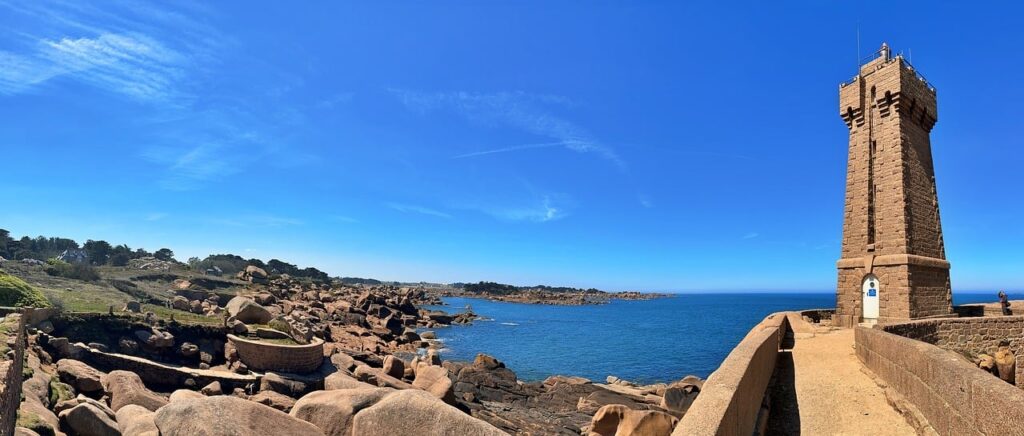
Immersive description: by car, Brittany unfolds in pauses: coffee stops at roadside crêperies (a full galette 8–13 €, a bowl of dry cider 3–5 €), walks along coastal paths with salty air, and discoveries of small ports where fishermen still sell the day’s catch. Driving to Pointe de Pen‑hir (Crozon peninsula, 29160 Camaret‑sur‑Mer) at sunset is unforgettable — official parking available (variable rates, often 2–6 € day off-season).
3) Combining train and car: park-and-ride, rentals and hybrid strategies
Pairing trains with a car (or rental) is often the best compromise: use fast TGV/TER connections for long legs and hire a car to explore peripheral areas. Here are concrete strategies:
Park-and-ride and rental hubs:
- Park-and-ride around Rennes — Park-and-ride facilities near Rennes Station (Place de la République, 35000 Rennes): traveller-friendly rates for TER/TGV users (3–10 €/day depending on duration). Leave your car and catch a train north or west.
- Car hire at the station — Avis, Europcar, Hertz and Sixt counters at Rennes Station (Place de la République, 35000 Rennes): daily rates off-season 35–60 €/day for a small car; in high season expect 50–120 €/day depending on category and insurance.
- Long-stay station parking — Secondary stations such as Vannes (Place Thiers, 56000 Vannes) and Lorient (Place Jules Ferry, 56100 Lorient) offer long-term parking for 4–12 €/day.
Sample hybrid itinerary (7–10 days):
- Day 1: Arrive by TGV Paris → Rennes (Rennes Station, Place de la République, 35000 Rennes). Overnight in Rennes to visit the Parlement de Bretagne and the Sainte‑Anne district.
- Day 2: TER Rennes → Saint‑Malo (1h10). Rent a car in Saint‑Malo (rental desks at Saint‑Malo Station, 2 Rue du Maréchal Foch, 35400 Saint‑Malo). Explore the Emerald Coast out to Cap Fréhel (Cap Fréhel — La Pointe, 22130 Plévenon). Cap Fréhel parking: Parking du Cap Fréhel, 22130 Plévenon, variable rate 2–6 €.
- Days 3–4: Drive to Perros‑Guirec / Ploumanac’h, Perros‑Guirec — marina, 22700 Perros‑Guirec. Continue by car into Finistère, park and explore Armorique Regional Natural Park.
- Day 5: Return car to the nearest station (e.g. Quimper Station), drop off the vehicle, then take the train to Vannes or Lorient to discover the Gulf of Morbihan.
Benefits of the mix: lower overall cost (short-term rental vs. renting for the whole trip), avoid urban driving (leave the car in town and use it only for rural legs), and practicality for groups or families since a car makes luggage and activities (surf, hiking, cycling) easier. Concerns: coordinating TER timetables and rental desks, one-way drop-off fees, limited availability in high season — book 4–6 weeks in advance for July–August.
Practical tips:
- Check TER timetables for the return station: small stations sometimes close early — plan to finish by late afternoon to avoid overnight charges.
- Insurance: take full collision/theft coverage if you’ll use secondary roads; extra daily insurance commonly 8–15 €.
- Book covered parking if you leave your vehicle in town for several days to reduce the risk of vandalism and weather damage (rates 6–18 €/day in city centres).
4) Themed routes: heritage, nature and gastronomy depending on your mode
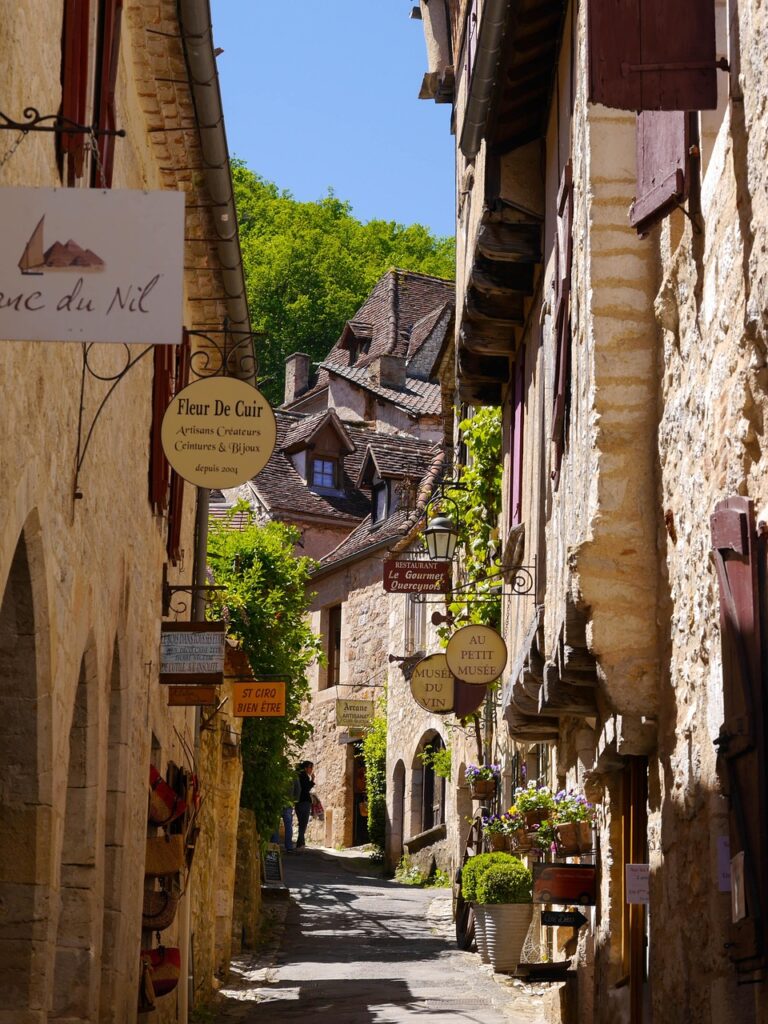
Brittany lends itself to themed routes that suit train travel, driving, or a mix of both. Here are focused itineraries with addresses, opening times and likely costs:
Historical heritage (good by train + walking):
- Saint‑Malo — Ramparts and Intra‑Muros: Intra‑Muros, 35400 Saint‑Malo. Free access 24/7, museums and towers charge admission (City History Museum, Rue Nicolas Bouvier — fares vary 4–8 €). Walkable from Saint‑Malo Station (2 Rue du Maréchal Foch, 35400 Saint‑Malo) — 10–15 minutes on foot.
- Dinan — Medieval old town: castle and ramparts, Rue du Jerzual, 22100 Dinan. Nearby parking: Parking du Château (Rue du Château) or arrive by train at Dinan Station (22 Place Janvier, 22100 Dinan).
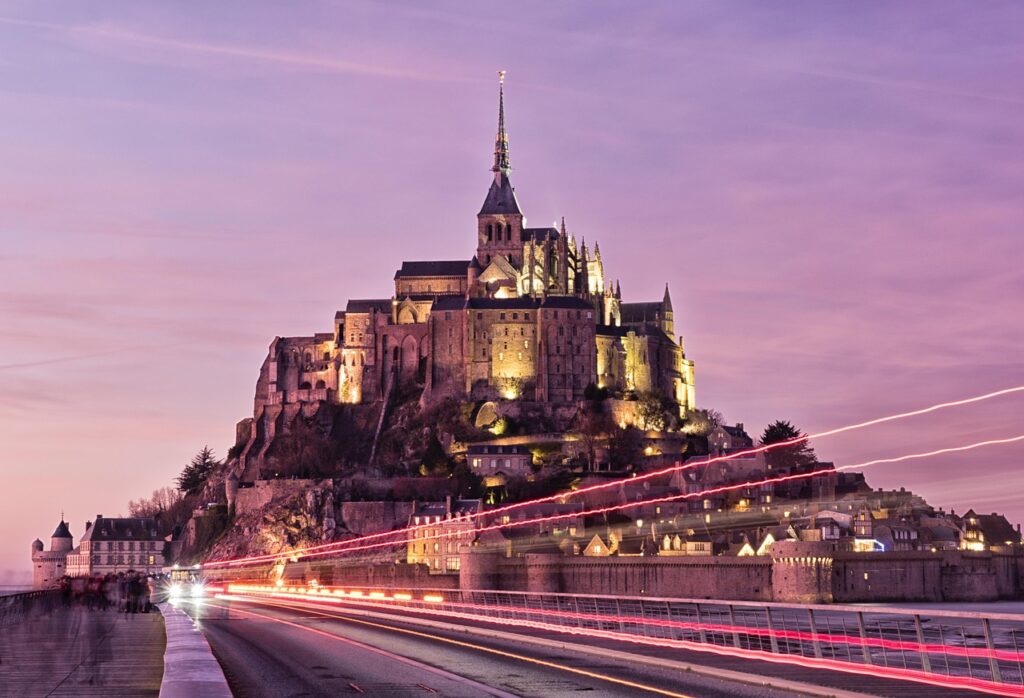
- Mont Saint‑Michel: Mont Saint‑Michel, 50170 Le Mont‑Saint‑Michel (accessible by car from Dol‑de‑Bretagne or by shuttle bus from Pontorson Station). Official parking at the foot (P4, P5, daily rates 6–12 € depending on season).
Nature and panoramas (ideal by car):
- Pointe du Raz — 29770 Plogoff. Main access via Péron parking (seasonal rate 2–6 €), marked trails and a visitor centre with exhibits (summer opening roughly 09:00–19:00).
- Crozon Peninsula — municipalities of Crozon and Camaret‑sur‑Mer, parking: Pointe de Pen‑hir parking (29160 Camaret‑sur‑Mer). GR34 footpaths provide spectacular views.
- Gulf of Morbihan — Vannes (Place Gambetta, 56000 Vannes), islands to visit by boat (Île d’Arz, Île‑aux‑Moines): departures from Vannes harbour, local operators roughly 09:00–18:00 seasonally. Boat tickets 12–25 € depending on route and island.
Food and markets (accessible by train or car):
- Les Lices Market, Rennes — Place des Lices, 35000 Rennes. Open Saturday mornings 07:00–13:00. Highlights: galettes, local cheeses, fresh seafood.
- Saint‑Quay‑Portrieux Market — Quai Ernest Renan, 22410 Saint‑Quay‑Portrieux. Fish and shellfish, portside atmosphere — perfect for a terrace tasting.
- Iconic crêperies: “Crêperie Le Corps de Garde”, 16 Rue des Cordiers, 35400 Saint‑Malo (dishes 9–18 €, full galettes 8–13 €; lunch 12:00–14:30, dinner 19:00–21:30).
Immersive description: follow the GR34 at dusk, breathe the sea air, leave your car in the official lot and walk cliffside to a lonely lighthouse. In the evening, tuck into a family-run crêperie for a full galette with a glass of dry cider (craft beers and bottled ciders commonly 4–7 € at restaurants). Sunday markets offer perfect picnic ingredients for a meal on a quiet beach.
5) Practical tips, budget and local recommendations for a successful crossing
Preparing to cross Brittany means planning budget, season and local specifics. Here’s a practical summary and trusted local advice:
Indicative budget for one week (per person, excluding flights):
- Accommodation: hostel 20–40 €/night, 2–3 star hotel 60–110 €/night, guesthouse 70–120 €/night depending on location and season.
- Transport: TER trains 40–120 € depending on journeys; car hire 35–90 €/day off-season; fuel 110–150 € for 1,000 km. Allow 20–60 € for parking and possible tolls.
- Meals: simple meal (crêperie) 10–18 €, restaurant 25–50 € per person; market purchases for picnic 8–20 € per day.
Typical hours and seasonality:
- High season: July–August — extended opening hours for tourist sites but maximum crowds. Book accommodation and rentals early.
- Low season: March–May and September–October — often pleasant weather, lower prices, fewer visitors, but some services and restaurants may operate reduced hours.
- Opening hours for tourist venues: museums and visitor centres typically 10:00–18:00, while some lighthouses and natural sites are accessible 24h except for official safety closures.
Local tips and good practices:
- Respect natural areas: don’t park outside authorised spots, stay on marked GR34 paths to protect fragile plants and prevent cliff erosion.
- Go offshore by boat: to visit Gulf of Morbihan islands, book early, bring a windproof jacket and closed shoes for boarding; tickets 12–25 € return.
- Tide times: Brittany—especially Mont Saint‑Michel bay and certain beaches—has powerful tides. Check tide times (SHOM site or local tourist offices) before coastal walks or kayak trips.
- Local markets and produce: favour local producers (fish, shellfish, cheeses, cider) and ask stallholders for tips to find the best stands — Friday/Saturday markets often have the widest selection.
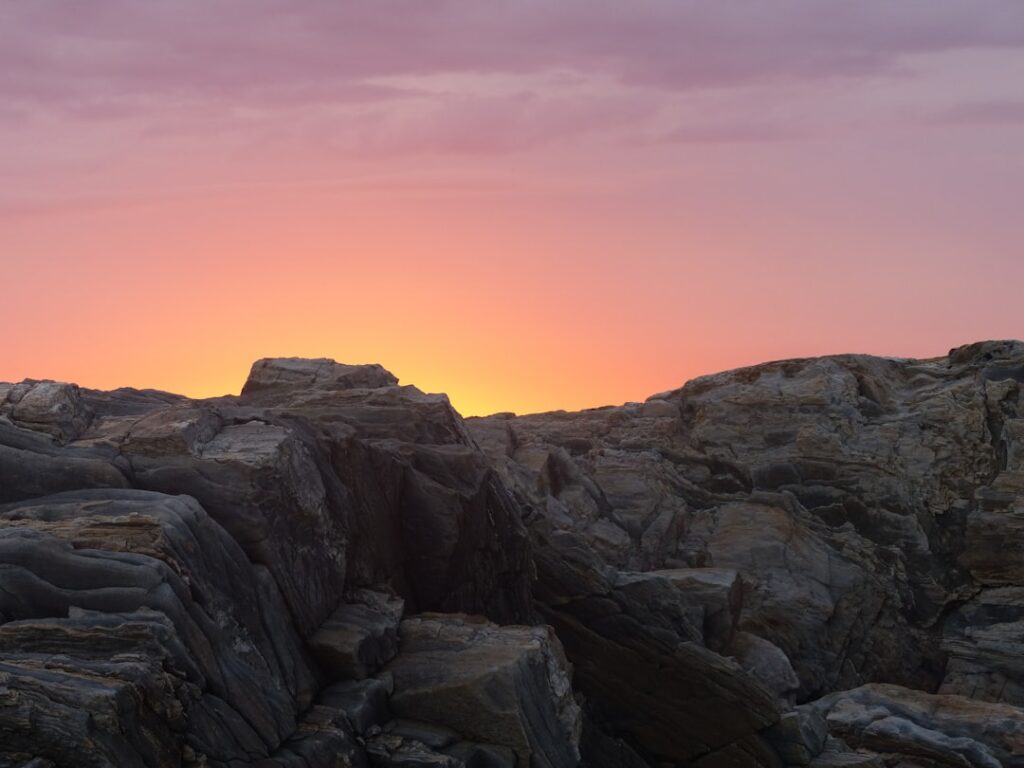
Final immersive note: for a successful trip alternate active discovery days (hikes, lighthouse visits) with downtime (beaches, tastings). Brittany is read by the rhythm of the tides, the scent of seaweed and the calls of gulls. Whether you cross the region by train, by car or a mixture of both, balance is key: plan long legs, leave room for unplanned detours, and carve out time to watch a sunset at Pointe du Raz or a sunrise over Saint‑Malo Bay.
Conclusion — Choosing the best way to cross Brittany
Crossing Brittany is an invitation to slow travel and variety: wild coasts, fishing villages, inland woods and urban heritage create a wide territory suited to many modes of transport. The train offers comfort, safety and easy access to main towns and historic centres — ideal for a city-focused trip or for those who prefer not to drive. The car brings freedom and flexibility to reach headlands, secluded beaches and viewpoints that rail lines don’t serve. The hybrid approach (train + short-term rental) is often the most sensible—combining efficiency, savings and access to remote natural sites.
In practice, preparation matters: book TER/TGV tickets and rentals in advance for summer months, check opening hours for museums and boat shuttles, consult tide timetables for the coast and prefer official car parks to avoid fines and environmental harm. Plan a realistic budget covering fuel, parking, rentals and meals — and don’t forget the emotional cost: leave time to wander, pop into a crêperie at random, or follow a sunlit path. For an optimal crossing: use trains for long links and urban centres, rent a car for 2–4 days to explore target zones (Crozon peninsula, Pointe du Raz, Carnac/Quiberon), and stop by local tourist offices (example addresses: Saint‑Malo Tourist Office, 2 Rue du Maréchal Foch, 35400 Saint‑Malo; Vannes Tourist Office, Place Gambetta, 56000 Vannes) for detailed maps, boat timetables and seasonal advice. Finally, give yourself time: Brittany reveals itself to those who listen to the sea, taste its produce and wander a little. Safe travels — and don’t forget your raincoat and camera!