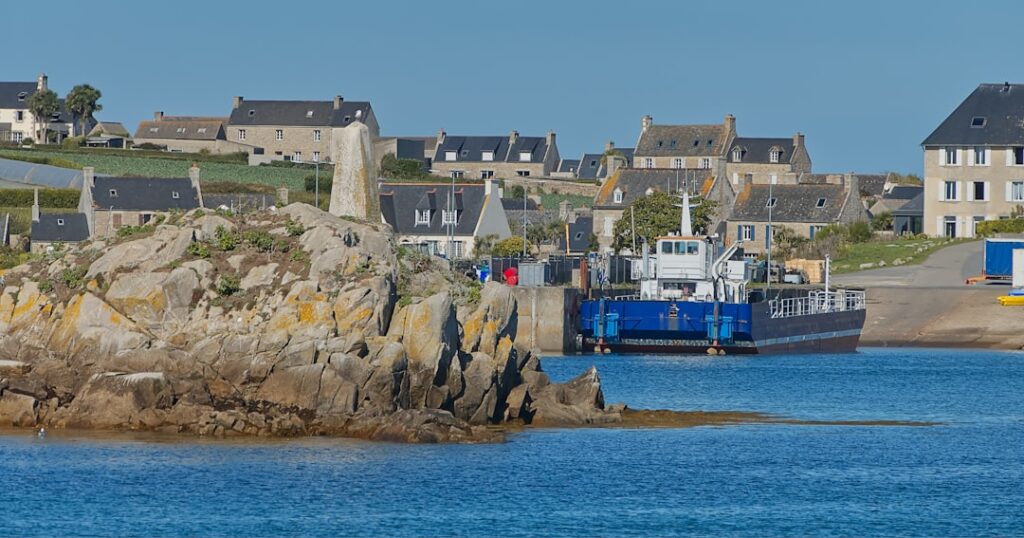






Introduction — Discover Brittany in 7 Public-Transport-Friendly Stops
Brittany is a land of wind‑blasted cliffs, bustling harbors, mysterious standing stones and medieval towns where history seems to be written into every wall. For many, touring the Breton coast means renting a car. But with the regional TER trains, intercity BreizhGo buses, coastal bus lines, small ferry links and local services, you can absolutely plan a full, rewarding itinerary without driving yourself. This guide offers 7 carefully chosen stops — all reachable by public transport — that combine heritage, wild coastlines, great food and leisurely walks.
The aim here is twofold: provide practical itineraries (exact addresses, typical schedules, realistic prices) and paint immersive descriptions to help you picture each place before you arrive. For every stop you’ll find mobility tips (station, bus line, shuttle), essential sights with usual hours and fees, plus local tricks to save time and money. Routes rely on existing infrastructure: SNCF stations (TER Bretagne), departmental networks, summer boat shuttles and regular ferry lines where available. This isn’t a rigid linear route — adapt the order depending on your arrival station (Rennes, Brest, Lorient, Quimper or Vannes) and the season.
This guide is aimed at a wide audience: casual walkers, families, independent travelers and photographers. Each stop includes at least one nearby place to eat (crêperie, oyster tasting spot, market) reachable from the bus stop or station. Prices given reflect typical 2025 rates; they may change but are a solid baseline for daily budgeting. We’ve also included visual cues 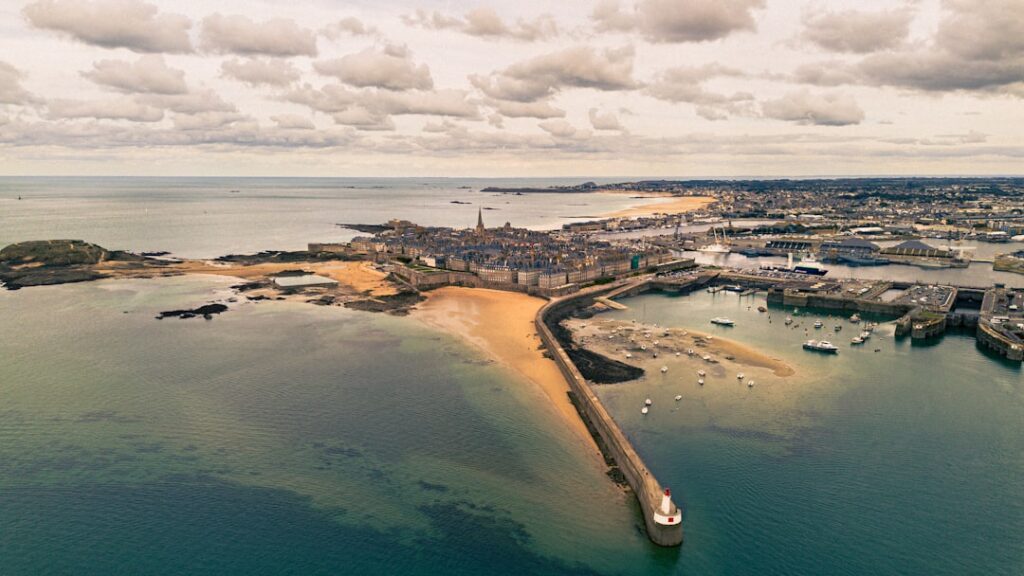 to help you imagine the photos you’ll want to take. Grab a notebook, book train tickets if you travel in high season, and follow these 7 stops to experience Brittany differently — letting public transport be your guide.
1. Saint‑Malo (Ille‑et‑Vilaine) — corsair town, ramparts and beaches
Why go
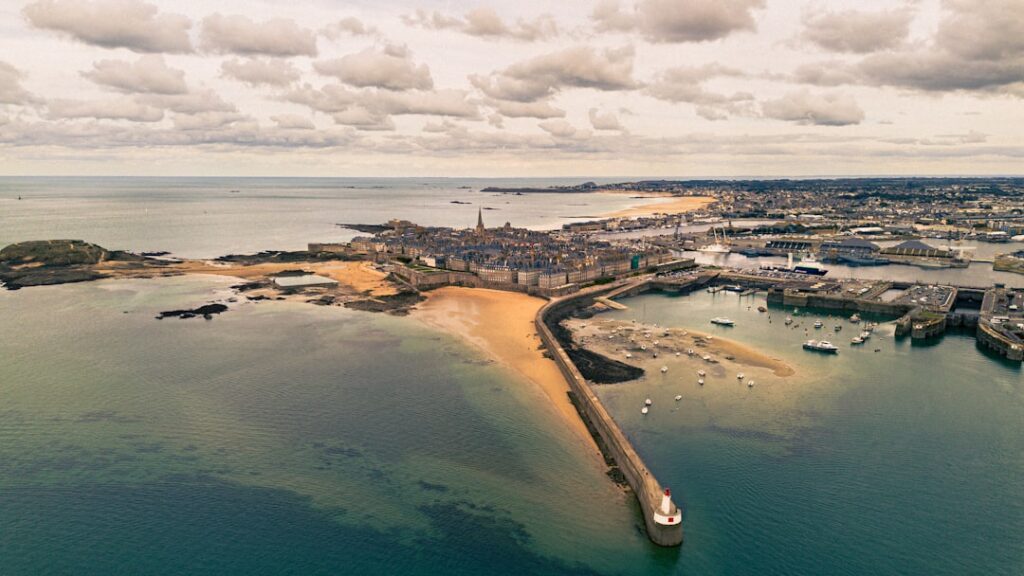
Saint‑Malo is one of Brittany’s most iconic towns. Its ramparts offer a sweeping sea promenade with views over the Grande Plage and Fort National. The maritime vibe is constant: fishing boats, crêperie terraces and the smell of dried seaweed. It’s a perfect first stop to test the efficiency of TER trains and regional buses.
Getting there
Station: Saint‑Malo station, Place de la Gare, 35400 Saint‑Malo. The station is served by TER Bretagne trains from Rennes (35–50 minutes). Typical fare: €8–€15 one way (book on oui.sncf subject to conditions). Frequency: roughly a train every 30–60 minutes during the day (06:00–22:30).
What to see and do
- Walk the ramparts — free access. Open year‑round from dawn until dusk (keep marée/tide times in mind). Recommended time: 1–2 hours.
- Fort National — Fort National, Pointe du Decolle, 35400 Saint‑Malo. Reachable on foot at low tide or via guided visit. Prices vary; guided tours about €6 for adults, children often free depending on age. Check tide times for access.
- Jacques Cartier Museum — 21 Rue Georges Clemenceau, 35400 Saint‑Malo. Usually open 10:00–18:00; adult ticket ~€5.
Where to eat: plenty of crêperies in the old town (e.g. Crêperie La Corderie, 3 Rue du Petit‑Bé, 35400 Saint‑Malo). Covered market: Halle au Blé, Place Châteaubriand, open mornings (06:00–13:00).
Local tips
Plan visits to Fort National or Plage du Sillon at low tide. If you arrive late in the day, walk the ramparts at sunset for perfect light. Buy TER tickets in advance during summer and consider SNCF app deals or regional passes for occasional discounts.
2. Monts d’Arrée and the Rade of Brest — wild nature reachable from Brest
Why go
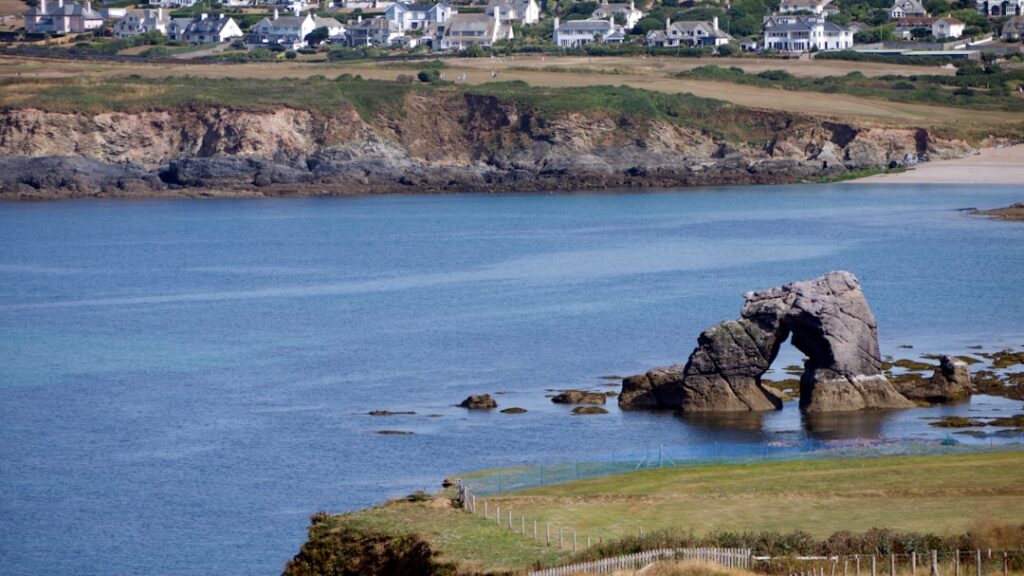
The Monts d’Arrée, at the heart of the Armorique Regional Natural Park, contrast dramatically with the coast. From granite ridges to wind‑swept moorland, these landscapes are ideal for hiking and photography. Brest, a large port city, is a convenient base well served by train and bus.
Getting there
Station: Brest station, Place de la Gare, 29200 Brest. Served by TER Bretagne and TGV (via Rennes) or TER from Quimper (30–50 min). Typical TER fare from Quimper: €6–€12.
Buses: the Bibus urban network and departmental lines give access to the park’s edges. For example, Bibus Line 11 serves Océanopolis and provides links to hiking starting points around the rade. Typical hours: 06:00–21:30, with variable frequencies.
Recommended visits
- Océanopolis — Parc de l’Europe, 29200 Brest. Hours: usually 10:00–18:00 (seasonal changes). Adult ticket ~€21; concessions for youths and seniors. Exhibits on Atlantic and polar ecosystems.
- Brest Castle – National Maritime Museum — Château, 29200 Brest. Open 10:00–18:00; adult fare around €6–€9.
- Hiking in the Monts d’Arrée — several trailheads reachable by bus towards the village of Huelgoat (Place de la Gare, 29690 Huelgoat). Waymarked trails and views toward Mont Saint‑Michel de Brasparts.
Local tips
It’s often windy — bring a windproof jacket and sturdy hiking shoes. For photography, the rade of Brest at twilight gives beautiful reflections. If you plan to visit Océanopolis, buy tickets online to skip queues (you’ll often save €1–€2 by booking ahead).
3. Pointe du Raz and Cap Sizun — dramatic cliffs by bus
Why go
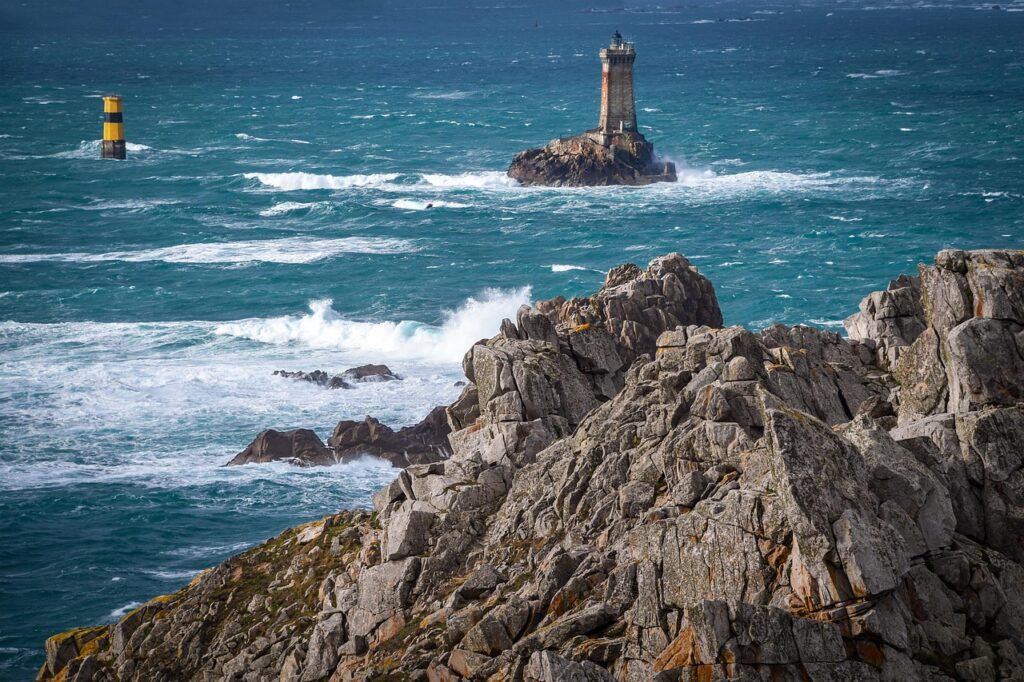
Pointe du Raz (Finistère) is one of Europe’s most dramatic headlands, with steep cliffs and a lone lighthouse. The place is raw and invigorating — perfect for anyone seeking dramatic sea views without needing a car.
Getting there
Nearest major station: Quimper station, Place de la Gare, 29000 Quimper. From Quimper, take the departmental BreizhGo bus (lines 1 or 7 depending on season) toward Audierne / Plogoff / Pointe du Raz. Example: Line 7 serves Pointe du Raz in summer. Journey time: about 1h15–1h45 depending on route. Typical bus fare: €4–€8 one way.
Visits and practical info
- Pointe du Raz — Pointe du Raz, 29770 Plogoff. Open access; visitor area with shop and small exhibition (Maison du Site). Maison hours: roughly 10:00–18:00 (seasonal). Paid parking for cars; buses stop near the site.
- GR34 — Customs Path — the coastal trail along the cliffs; recommended section: Pointe du Van to Pointe du Raz (3–4 hours round trip depending on pace).
Local tips
Dress warmly even in summer — the wind can change temperatures fast. Services are limited on site, so carry water and snacks if you plan to hike. Summer buses run more frequently; check the BreizhGo site for seasonal timetables and connections from Audierne (Audierne station, 29770 Audierne).
4. Quiberon and the Peninsula — beaches, coastal paths and ferry shuttles
Why go
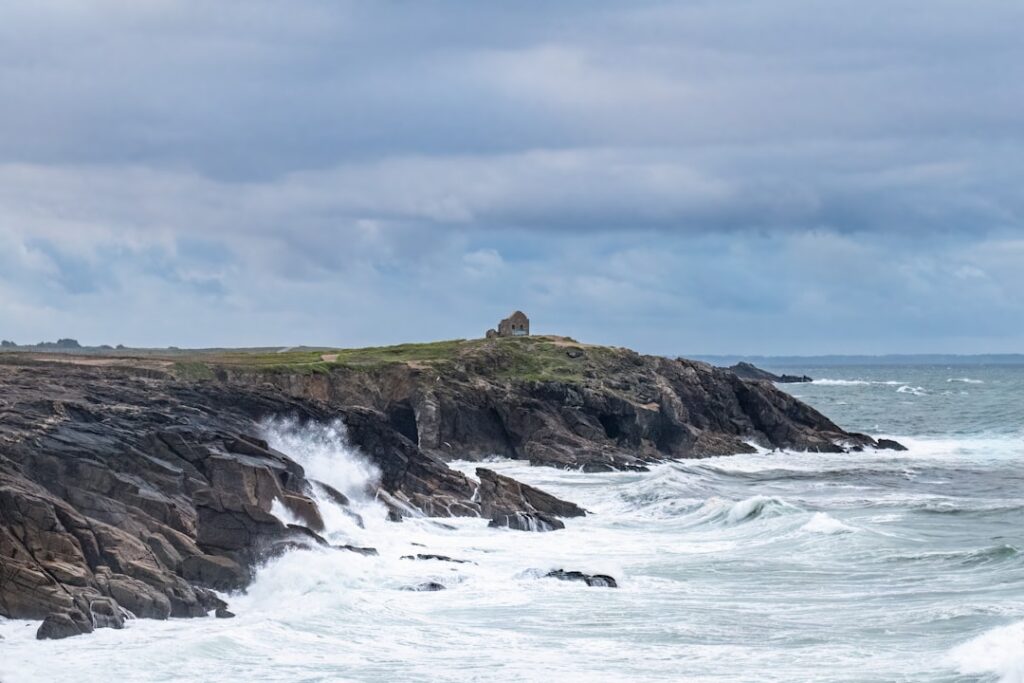
The Quiberon peninsula (Morbihan) is famed for its Côte Sauvage, long beaches, coastal paths and as a playground for watersports. In summer it’s served by trains and shuttles that make visiting without a car easy.
Getting there
Station: Quiberon station, Place de la Gare, 56170 Quiberon. In summer it’s served by a seasonal train from Auray (~25 minutes). Typical fare: €6–€10 one way. Off season, take the BreizhGo bus or a departmental line from Auray or Vannes. Seasonal trains usually run frequently from 07:00–20:00 — check TER Bretagne and summer schedules.
Things to do
- Côte Sauvage — coastal walk along the littoral path: easy to moderate sections (1–3 hours depending on route). Views of Île d’Yeu and Belle‑Île on clear days.
- Port Maria — Port Maria, 56170 Quiberon. Terraces, fishing boats, seafood restaurants. Local producer markets some mornings.
- Île d’Houat / Île de Hoëdic — boat departures from Quiberon (local companies). Shuttle fares: roughly €15–€25 one way depending on island and season. Buy at the port ticket office or online.
Local tips
If you’re into diving or kayaking, book activities well in advance during summer. Check the return times of the peninsula’s small trains — they may stop earlier outside peak season. Port crêpe stalls are ideal for a quick, tasty galette.
5. Carnac and Auray (Gulf of Morbihan) — megaliths and historic harbors
Why go
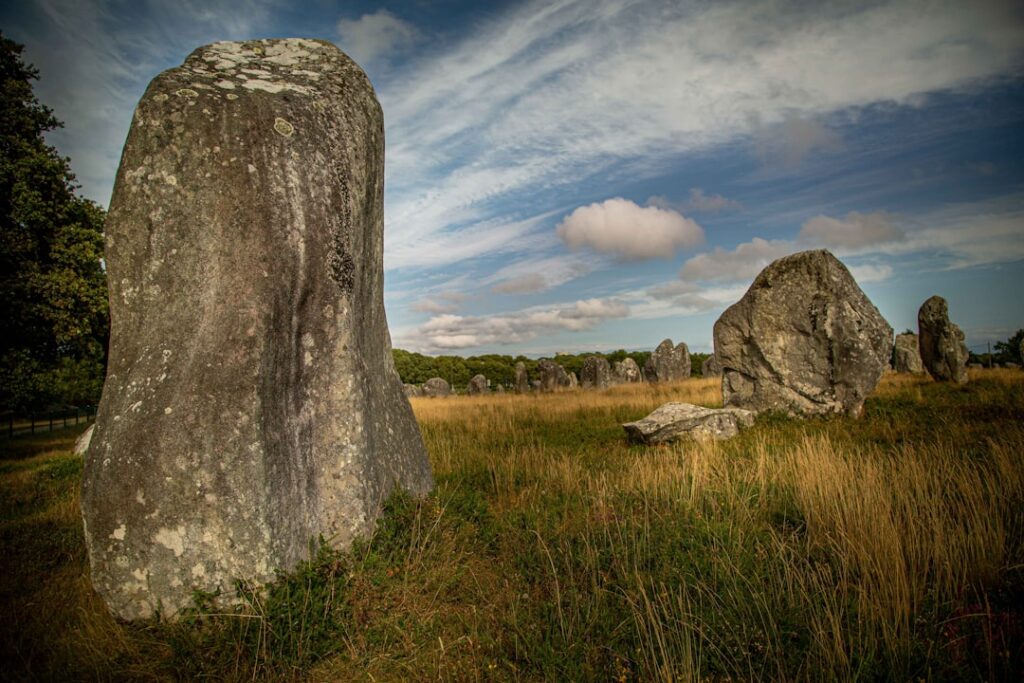
Carnac is world‑renowned for its long stretches of megalithic alignments; Auray and the Saint‑Goustan harbor offer a cozier atmosphere with cobbled quays and seafood restaurants. TER and local buses make it easy to combine both in a single day.
Getting there
Station: Auray station, Place de la Gare, 56400 Auray. TER trains from Vannes (15–25 minutes), Lorient or Nantes with connections. Typical fares: €4–€12. From the station, local buses or shuttles (SLiberté or coastal networks) serve Carnac (stop: Carnac – Alignements or central stops). Travel time Auray → Carnac by bus: about 20–30 minutes.
Must‑see visits
- Carnac Alignments — Avenue de la République / Rue des Alignements, 56340 Carnac. Open access to sites (Le Ménec, Kermario, Kerlescan). Visit the Carnac Prehistory Museum, 1 Rue du Château, 56340 Carnac; hours vary, adult ticket ~€6–€8.
- Saint‑Goustan harbor (Auray) — Quai du Saulnerie, 56400 Auray. Walk, dine and find boarding points for short cruises in the Gulf of Morbihan.
Local tips
See the alignments early in the morning to avoid crowds and heat. Look for combined tickets (museum + sites) if available. For photos of Saint‑Goustan, golden hour (morning or late afternoon) gives gorgeous reflections on facades and boats.
6. Concarneau and the Ville Close — harbor town, beach and fishing museum
Why go
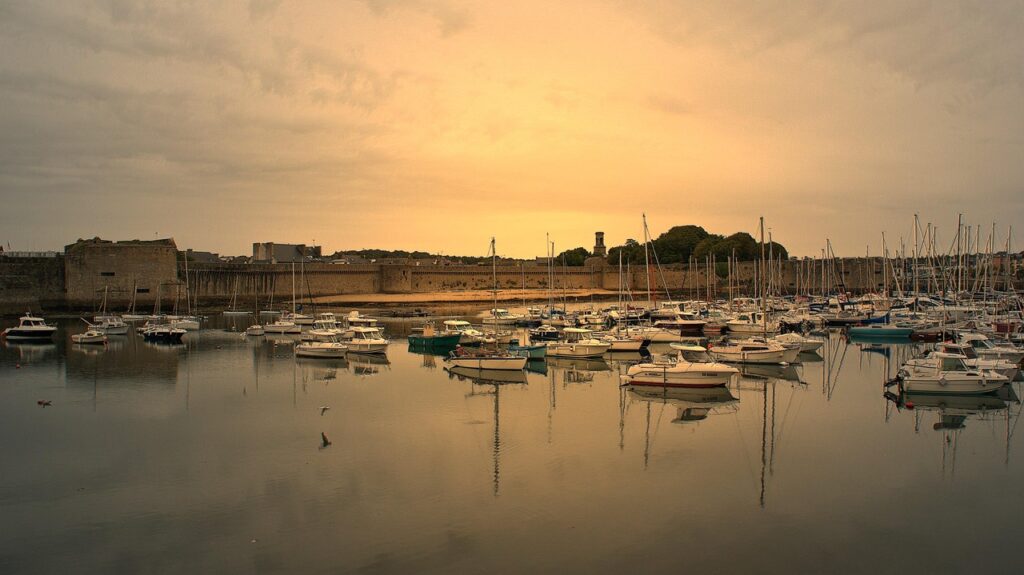
Concarneau in southern Finistère is known for its Ville Close — a fortified islet at the heart of the harbor — plus beaches and the Fishing Museum, which tells the maritime story of the area. It’s easily reachable by train from Quimper and Lorient and makes a great family stop.
Getting there
Station: Concarneau station (bus station nearby), Avenue de la Gare, 29900 Concarneau. TER trains from Quimper (about 20–35 min) and Lorient. Fares: €4–€10. From the station it’s a 15–25 minute walk or a short local bus ride to the Ville Close.
Highlights and practical info
- Ville Close — the fortified islet gateway to the harbor. Free access; craft shops and restaurants (e.g. Le P’tit Creux, Rue du Calvaire, 29900 Concarneau).
- Fishing Museum — 12 Quai des Filets Bleus, 29900 Concarneau. Hours: usually 10:00–18:00 (seasonal). Adult ticket ~€6–€8.
- Plage des Sables Blancs — family beach 1.5 km from the Ville Close, reachable on foot or by local bus.
Local tips
Book a boat trip from the harbor to see the coast by sea. Tides affect harbor activity — check the port office for departures and guided visits. In high season, take an early train to avoid afternoon crowds.
7. Vannes and the Gulf of Morbihan — medieval town and nearby islands
Why go
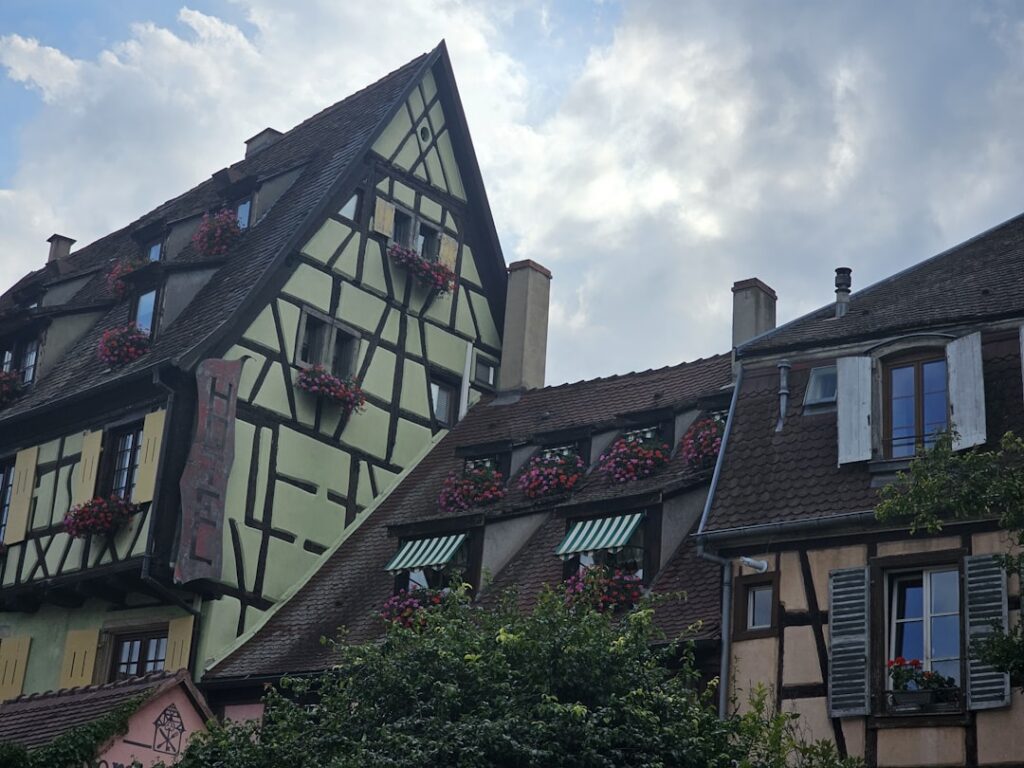
Vannes is a charming medieval town and a major gateway to the Gulf of Morbihan, whose islands and shores are served by regular boat shuttles. It’s a great place to finish a Breton circuit: rich in heritage, food and easy embarkations to Île d’Arz or Île aux Moines.
Getting there
Station: Vannes station, Place de la Gare, 56000 Vannes. TER trains from Nantes, Rennes, Auray. Journey time from Auray: 20–30 minutes. Typical TER fare: €4–€15 depending on origin. The station is a 10–15 minute walk from the historic center; taxis and city buses (Kicéo network) are available.
Visits and activities
- Vannes intra‑muros — city walls, Saint‑Pierre Cathedral, Place Henri IV. Allow 1–2 hours for a good stroll.
- Vannes harbor — embarkation point : Quai Clyde, 56000 Vannes. Boat companies for the Gulf of Morbihan (Compagnie Océane, Navix). Island shuttle fares: about €8–€12 one way to Île aux Moines or Île d’Arz. Schedules: frequent rotations in summer (07:30–19:00), reduced off season.
- Vannes Museum of History and Archaeology — 6 Rue des Chanoines, 56000 Vannes. Hours vary; adult ticket ~€5–€7.
Local tips
For island visits, buy round‑trip tickets in the morning to access the full range of crossings. The harbor terraces serve excellent seafood platters — ask for the day’s catch. Pair a visit to Vannes with a Gulf cruise to admire the fleet of anchored boats and island scenery.
Conclusion — Plan and enjoy Brittany without a car
Brittany lends itself brilliantly to travel by public transport: frequent trains to major stations (Rennes, Brest, Quimper, Vannes), departmental bus networks (BreizhGo), small island shuttles and seasonal trains to peninsulas all ensure mobility. By following these 7 stops — Saint‑Malo, Brest/Monts d’Arrée, Pointe du Raz, Quiberon, Carnac/Auray, Concarneau and Vannes — you’ll sample a wide spread of Breton experiences: corsair towns, wild headlands, megaliths, peninsulas and historic harbors.
Practical tips to get the most from your trip: book train tickets ahead in high season, check BreizhGo and local maritime company timetables (Compagnie Océane, Navix, island operators) since schedules vary by period; allow time for connections between trains and buses (rural links can be less frequent on Sundays); pack a warm layer and solid shoes — weather changes fast and coastal paths can be slippery. Above all, give yourself pauses in local crêperies, savour oysters in Cancale or Quiberon, and visit museums to better understand Brittany’s maritime soul.
Traveling Brittany without a car isn’t just possible — it’s rewarding: each transport mode adds to the experience — trains connect towns and shores, buses cross hedged countryside and moorland, and boat shuttles reveal island perspectives. Plan your stops using the local connections outlined in this guide and you can build a smooth, sustainable and memorable route. Have a great trip, and let the tides and Breton stations set the rhythm.