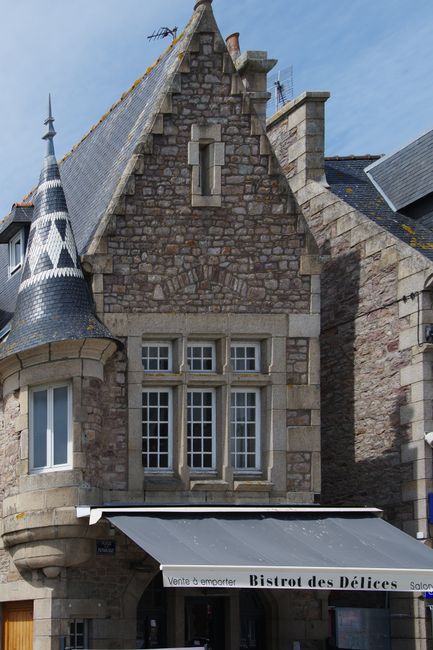






Introduction: The Brittany Crepe Trail — a tasty journey between tradition and terroir
Brittany often brings to mind windswept coasts, ancient standing stones and, of course, crepes. Behind that sometimes clichéd image lies a rich culinary world where the crepe and the galette hold pride of place, deeply rooted in local culture and endlessly reinvented by passionate makers. The “creperie trail” isn’t a fixed route so much as an invitation to roam the region, following the scent of browned flour, the clatter of a cast-iron griddle and the evening tinkle of cider glasses. This general guide maps out stops at well-known crêperies, friendly local spots and must-visit pitstops, with practical info — exact addresses, typical opening hours, price ranges — and local tips to help you make the most of each stop.
In Brittany the crepe mostly comes in two main families: the sweet crêpe, thin and golden, made from wheat flour, and the galette, more rustic and made from buckwheat (sarrasin). Toppings range from the simple — butter, sugar, honey, jam — to more modern pairings: goat cheese and honey, smoked salmon with dill cream, or andouille sausage with caramelized onions. The natural accompaniment is cider — sweet, demi-sec or brut — but many places also offer local beers and small wine selections.
This guide isn’t meant to be exhaustive; it offers a representative selection across both the coast and inland areas to give you a full picture of styles and atmospheres. You’ll find multi-generation family crêperies, modern spots where culinary creativity reimagines the galette, and market stalls or neighborhood houses. For each stop I give the exact address, typical hours (seasonality can change them), a price indication in euros, an immersive description of the place and practical tips — how to avoid waits, what to order by season, and how to fully enjoy the tasting.
Finally, this guide includes routing tips and logistical tricks: best times to visit, transport options, parking and recommendations for dietary needs (gluten-free, vegetarian). Brittany is large and varied: the crepe trail can be a few hours in a single town or stretch across several days along the coast. Bring your appetite, good spirits and comfortable shoes — the best discoveries sometimes happen on foot between two delicious stops.
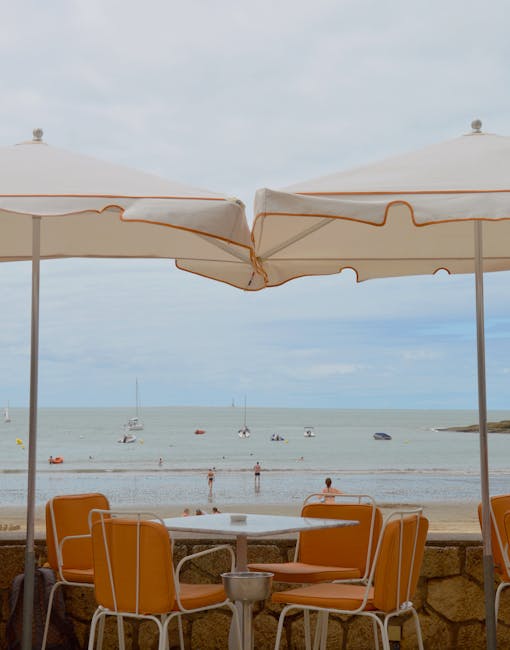
1) The northern coast: Saint-Malo and Cancale — crepes with a sea view
Start your route on the northern coast, where the sea shapes both the menu and the mood. In Saint-Malo, crêperies tucked inside the old town offer an atmosphere of granite, sea spray and conviviality. A central local favorite: La Crêperie Le Corps de Garde, 5 Rue Saint-Vincent, 35400 Saint-Malo. Hours: daily 11:30–22:30 in high season, 12:00–21:30 in low season. Prices: galettes €7.50–€13.50; sweet crêpes €3.50–€6.50; a bowl of cider €3.50–€5.00. Try the “Complète” galette (egg, ham, cheese) at €9.00 and the salted caramel crêpe at €4.50 to taste a Saint‑Malo classic.
In the neighboring port of Cancale, famous for its oysters, crêperies often highlight seafood. Head to Crêperie La Mere Champlain, 12 Quai de l’Eglise, 35260 Cancale. Hours: 12:00–14:30 and 18:30–22:00 (closed Monday in low season). Prices: galettes €8.00–€15.00; ocean-themed specialties (galette with shellfish or smoked salmon) €12.50–€16.50. The scallop-and-leek crêpe (“Saint-Jacques-poireau”) at €15.00 blends marine freshness with the silky flavor of confit leeks — perfect after a walk along the Emerald Coast.
Atmosphere and local tips: in Saint-Malo, aim for late afternoon to avoid long dinner lines; in Cancale, alternate oysters and galettes for a full iodized experience. In these seaside towns, ingredient freshness — salted butter, seaweed condiments, Guérande salt — often sets the best spots apart. Parking: public central car parks (Parking République in Saint-Malo, Parking du Port in Cancale). Watch tide times if you plan to linger along the rocks.
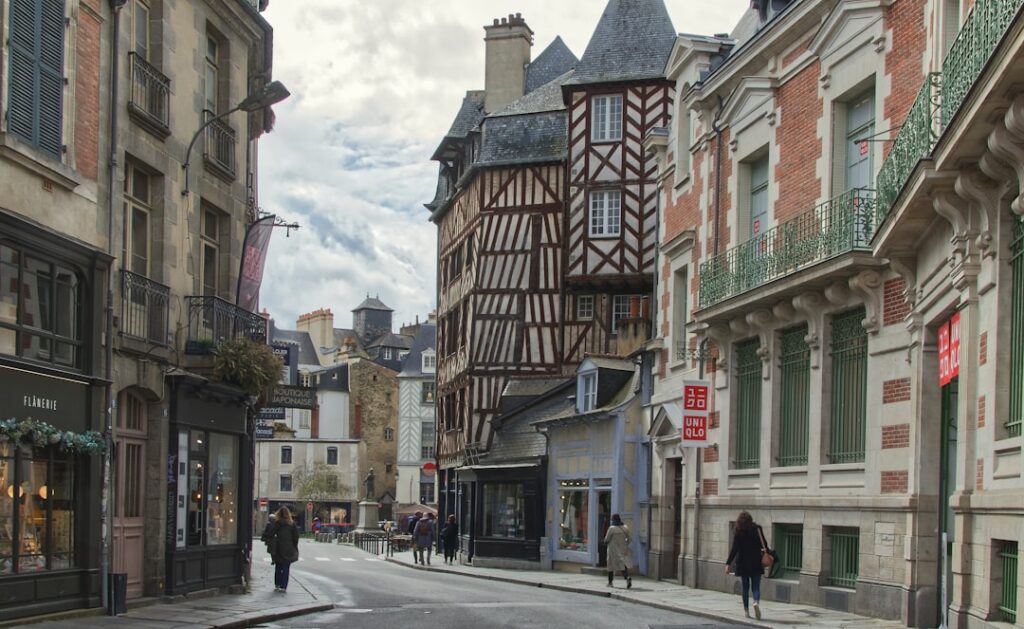
2) Brittany’s heart: Rennes and Vannes — urban variety and neighborhood crêpes
In Brittany’s cities, the crepe takes many forms, from contemporary bistros to rustic crêperies. In Rennes, the regional capital, the food scene is buzzing. A well-regarded spot: Crêperie Ty Coz, 8 Rue Saint-Melaine, 35000 Rennes. Hours: Tuesday–Sunday 12:00–14:00, 19:00–22:30 (closed Monday). Prices: galettes €7.00–€12.50; sweet crêpes €3.00–€6.00; craft ciders €3.50–€6.50. Try the “Land & Sea” galette (smoked salmon, cream, chives) at €11.50 and the crêpe of flambéed apples with Calvados at €6.00 for a warm, comforting finish.
Vannes, sitting on the Gulf of Morbihan, mixes tradition and creativity. Near the ramparts, Crêperie Le Dalhuy, 3 Rue du Corps de Garde, 56000 Vannes, is a familiar little gem. Hours: 11:45–14:15 and 18:30–22:00 (open continuously on weekend high season). Prices: galettes €8.00–€14.00; lunch menus from €11.50 (galette + crêpe + cider). The “Andouille de Guémené” galette (andouille, onions, apple) at €13.00 is bold and perfect for charcuterie lovers.
City tips: in Rennes, book ahead for weekend dinners — small dining rooms fill up quickly. Look for crêperies that advertise “Breton flour” or “local buckwheat” if you want to support regional mills. In Vannes, take a post-meal stroll along the harbor and, when possible, choose a terrace to watch local life go by. Parking: park-and-ride and central parking (Gare car park in Rennes, Port car park in Vannes).
Dietary options: most crêperies offer vegetarian variants (buckwheat galette with roasted vegetables, goat cheese or mushrooms). For gluten-sensitive diners, ask whether buckwheat batter is prepared in a separate area — some kitchens take measures to avoid cross-contamination, but practices vary, so calling ahead is recommended.
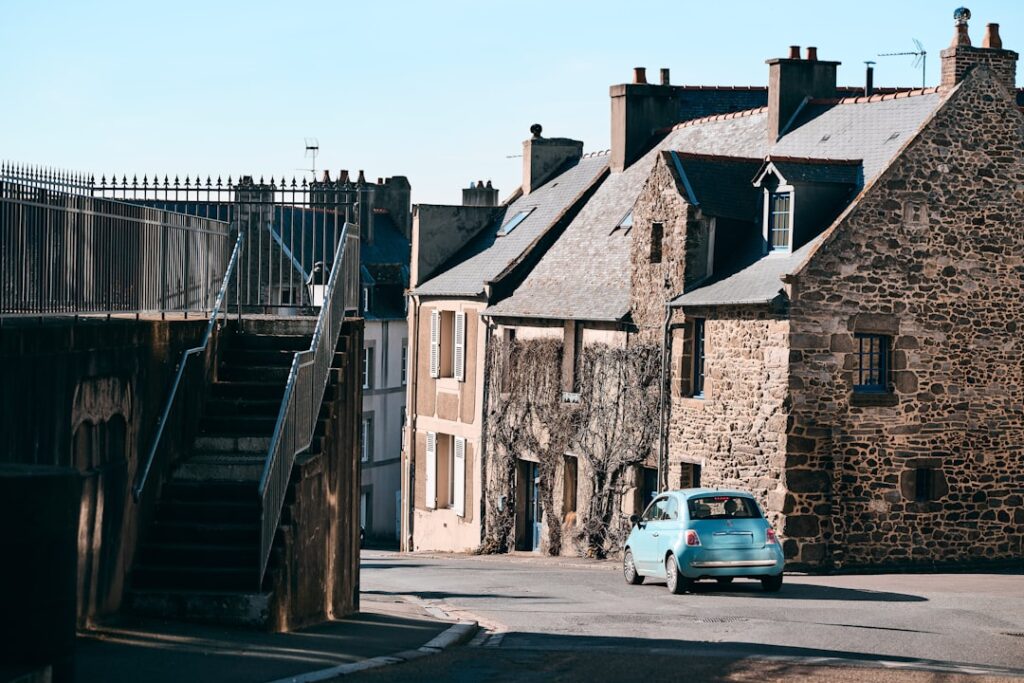
3) Finistère: Quimper and Concarneau — buckwheat tradition and harbor vibes
Finistère is the part of Brittany where the buckwheat tradition runs deepest. In Quimper, the cultural capital, you’ll find family-run houses working with buckwheat for generations. A standout address: Crêperie Ty Mad, 14 Place Terre-au-Duc, 29000 Quimper. Hours: 12:00–14:00 and 19:00–22:00 (closed Wednesday). Prices: galettes €7.50–€14.50; sweet crêpes €3.50–€6.50; local cider €3.00–€5.50. The “Buckwheat Complete” galette (egg, ham, cheese, mushrooms) at €10.50 is a comforting staple, while the regional specialty with andouille and apples is worth €13.50.
Concarneau, with its walled town, is a tourist hotspot but delivers high-quality crepes after a walk on the ramparts. Try Crêperie Les Remparts, 6 Rue de la Ville Close, 29900 Concarneau. Hours: 11:30–14:30 and 18:30–22:30 in high season (reduced hours off-season). Prices: galettes €8.00–€15.00; sweet crêpes €3.50–€7.00. The “Seafood” galette (mussels, prawns, garlic cream) at €15.00 is a favorite among visitors who want to marry crepes with the nearby sea bounty.
Immersive description: down the cobbled lanes, Finistère crêperies give off warm scents of melted salted butter, roasted buckwheat and sometimes smoked wood. Service can be both professional and intimate — expect modest but welcoming dining rooms, often decorated with nautical touches: brass lamps, fishing nets, old photos of fishermen. Ingredient quality is king here: PDO salted butter, often local eggs, seasonal vegetables. Menus frequently highlight the origin of buckwheat and cider when possible.
Practical tips: favor lunch for gentler prices and fewer crowds. If you come in August, booking the day before is wise. For a tasting tour, order one savory galette and a different sweet crêpe to share — a great way to try two specialties without feeling overfull. Parking: car parks near the historic centers (Gare car park in Quimper, Ville Close car park in Concarneau).
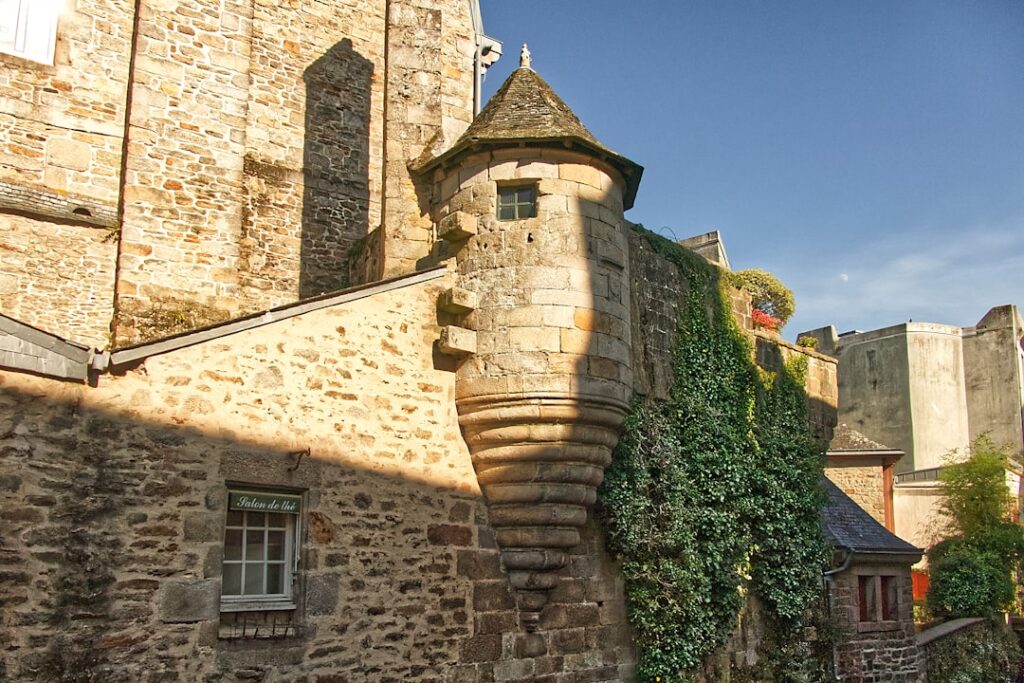
4) Practical tips, a suggested itinerary and local tricks to make the most of the trail
Planning a crepe trail takes a little organizing. Here’s a compact 3–5 day itinerary, tips to optimize your stops, and local tricks to fully live the Breton experience. Suggested condensed 3-day itinerary: day 1 — Saint-Malo (lunch) and Cancale (afternoon snack), overnight in Saint-Malo; day 2 — drive to Rennes (lunch) then Vannes (dinner), overnight in Vannes; day 3 — Quimper and Concarneau (full day), return. This outline is flexible: slow down along the coast or spend a full day in a town like Quimper if local crafts interest you.
Indicative budget per person (meals + drinks): simple lunch (galette + cider) €11–€18; full dinner (starter, galette, crêpe, cider) €20–€35. For a 3-day foodie break, expect €80–€150 per person for food, excluding accommodation. Small family crêperies often run good-value lunch deals (galette + crêpe + bowl of cider between €11.00 and €14.50).
Local tips:
- Reservations: strongly recommended on weekends and in high season (June–September); call between 10:00 and 11:30 for a quick response.
- Off-peak hours: have lunch between 12:00 and 13:00, or start dinner at 18:30 to avoid crowds; many crêperies close kitchen service between shifts.
- Drinks: try the local cider (brut if you like acidity, demi-sec if you prefer sweeter); average price €3.00–€5.50 for a 25–30 cl bowl.
- Seasonal produce: in autumn-winter, favor galettes with mushrooms and andouille; in spring-summer, choose galettes with roasted vegetables or smoked salmon.
- Allergies: always ask if buckwheat batter is handled in a gluten-free environment if you’re sensitive; some kitchens are set up to avoid cross-contamination.
Transport and parking: Brittany is best explored by car, which lets you quickly link small towns. Trains connect Rennes, Saint-Malo, Vannes and Quimper; from the stations, many crêperies are walkable. Public parking: favor central car parks and watch for “zone bleue” signage (parking disc required) common in historic centers. Cycling: for local stretches (for example around the Gulf of Morbihan), a bike is fantastic — many crêperies welcome cyclists and sometimes offer a hook to hang your saddle.
Tasting tips: eat your galette hot, ideally folded or rolled into a long “envelope” so the filling stays warm. Pair it with a glass of cider and leave room for a sweet crêpe at the end; salted caramel and Calvados-flambéed apple crêpes are musts. If you’re traveling in a group, order several galettes to share so you can sample a variety of combinations.
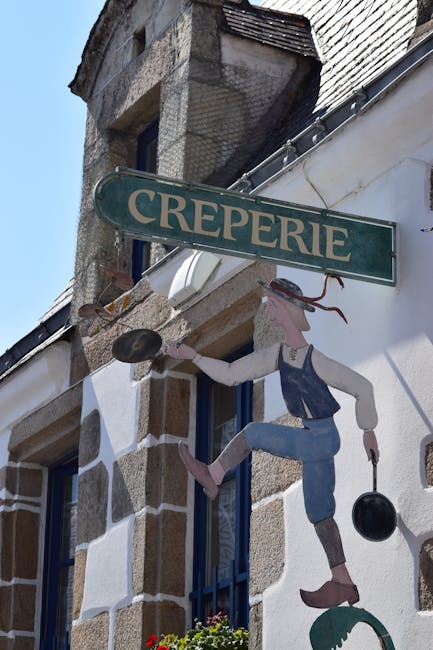
Conclusion: The crepe trail — a living heritage to savor
The crepe trail in Brittany is more than a food itinerary: it’s a way to embrace local culture, meet passionate artisans and discover terroir-driven flavors. Each area and town brings its own twist — from the deep buckwheat notes of Finistère to Cancale’s ocean pairings and Rennes’ urban innovations. Prices are generally reasonable and ingredient quality is often outstanding: salted butter, local flours, craft ciders and nearby seafood. The addresses featured in this guide — La Crêperie Le Corps de Garde (5 Rue Saint-Vincent, 35400 Saint-Malo), Crêperie La Mere Champlain (12 Quai de l’Eglise, 35260 Cancale), Crêperie Ty Coz (8 Rue Saint-Melaine, 35000 Rennes), Crêperie Le Dalhuy (3 Rue du Corps de Garde, 56000 Vannes), Crêperie Ty Mad (14 Place Terre-au-Duc, 29000 Quimper) and Crêperie Les Remparts (6 Rue de la Ville Close, 29900 Concarneau) — make solid anchor points to build your own route.
Remember that the best finds are sometimes off the beaten path: a village crêperie, a Sunday market stall or a family house can offer memorable experiences at great prices. Before you go, check seasonal opening hours, book when needed and plan around the tides if you want to enjoy seafood. And leave room for the unexpected: a charming village, a local tip or a surprising culinary discovery can turn your crepe trail into a genuine Breton adventure.
Safe travels and above all, enjoy — may your stops be warm, shared and as comforting as a hot galette in the heart of Brittany.