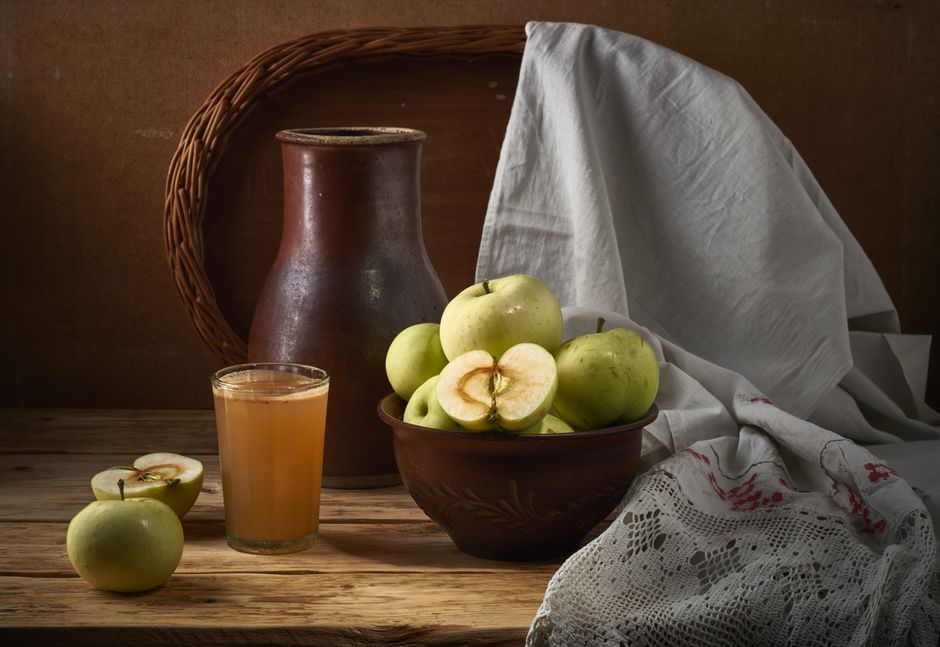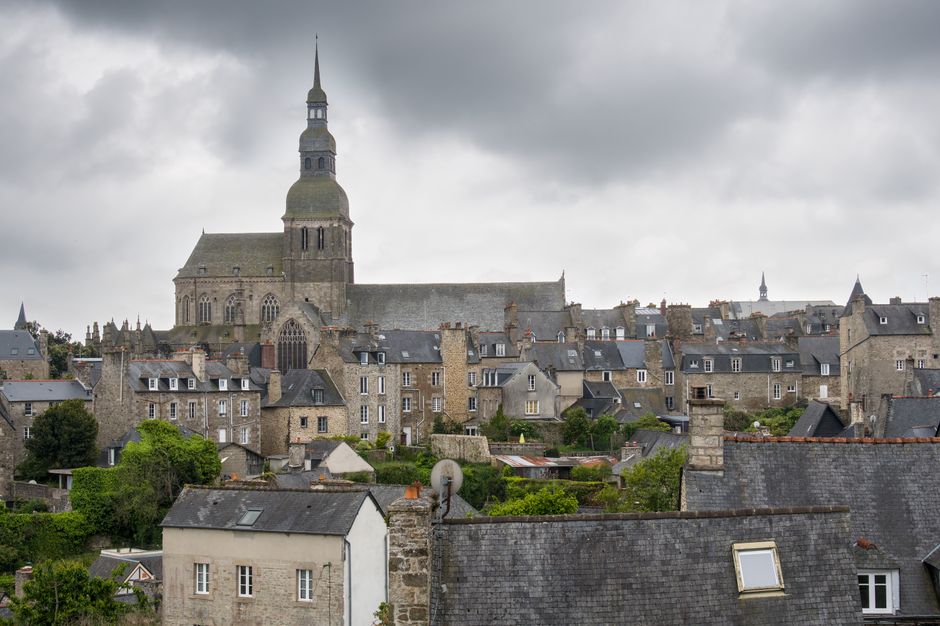






Introduction — Brittany Cider: a living heritage
Brittany and cider share a history that stretches back centuries, woven from orchards where eating apples, cider apples and wild pears grow together, traditional rural know-how, and family-run houses that have shaped the region’s flavour profile. Today Breton cider is more than just a refreshing drink: it expresses a specific terroir, an oceanic climate, careful blends and an intimate relationship between land, tree and people. This article aims to guide curious visitors: history, characteristic terroirs and the cider houses you shouldn’t miss if you want to understand, taste and bring home a fragrant memory of Brittany.
We start with the rural and monastic origins of cider, tracking the shift from wild orchards to organised orchards and the first bottlings, then move through the terroirs — coastal zones, bocage hedgerows and river valleys — that produce very different profiles (dry, medium-dry, sweet, brut, or naturally sparkling). You’ll also find a selection of cider houses and farms that welcome visitors: full addresses, indicative opening hours, price ranges, descriptions of the sites and practical tips to make the most of your visit (tastings, purchases, guided tours).
This guide is for everyone: the traveller spending a few days in Brittany, the food lover wanting to deepen their knowledge, and the collector of artisanal bottles. Each place featured was chosen for its location in a representative terroir, its ability to host visitors, and the sensory quality of its ciders. You’ll also find local tips (best times to visit orchards, precautions when touring cellars, food-cider pairings) to get the most from your Breton experience.
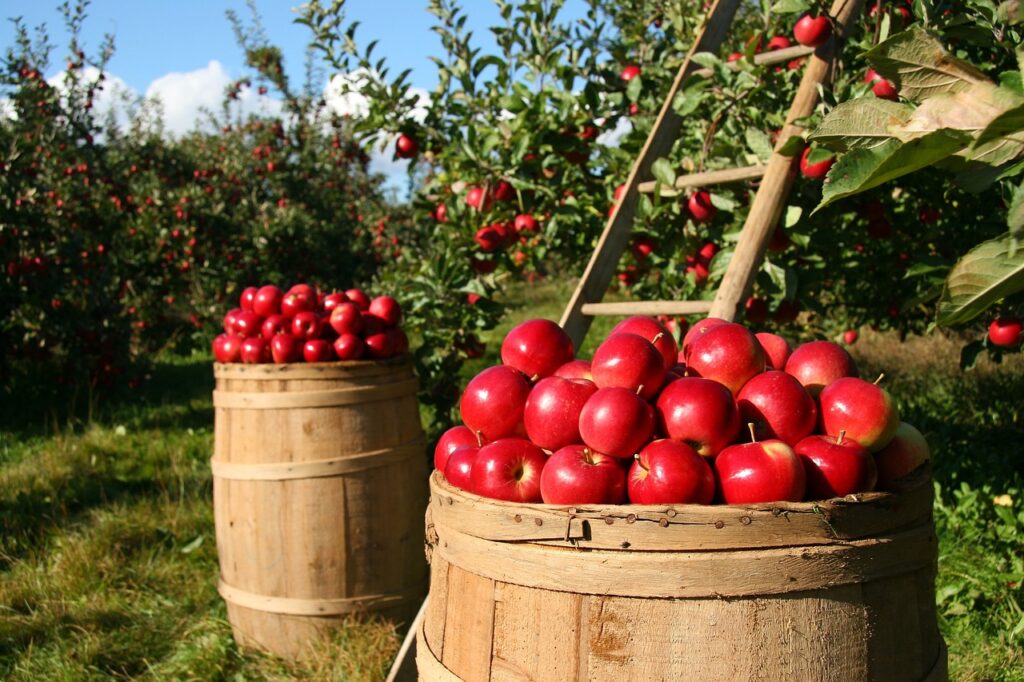
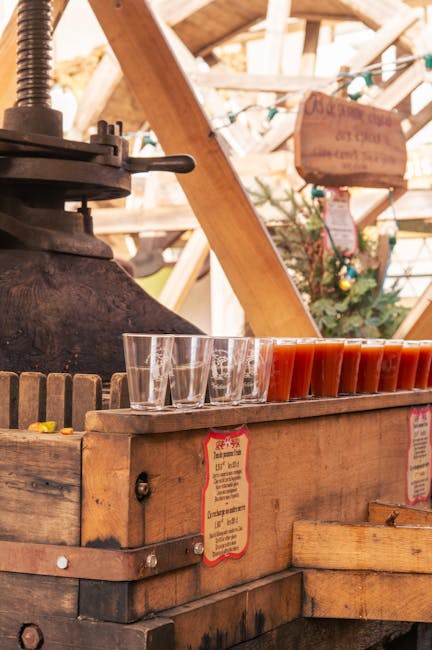
Finally, to help you picture the landscapes—the apple gardens, traditional presses and cellars where ciders rest—this article suggests visual cues to look up (orchard panoramas, vintage presses, tasting terraces overlooking the sea). Consider these images as inspiration before you go. Pack your notebook, camera and curiosity: Brittany’s cider trail is full of sensory and historical discoveries.
History of cider in Brittany — from peasant roots to modern reputation
Cider has deep roots in Brittany’s rural history. As early as the High Middle Ages, monks and peasants cultivated apple varieties suited to the light soils and mild, humid coastal climate. The earliest documented mentions of Breton cider date back to the 13th century in monastic charters and manorial accounts, where cider appears in lists of tithes and rents. Back then it was largely produced for local consumption: fermented apples in barrels provided a nutritious, mildly alcoholic beverage that kept well.
In the 16th and 17th centuries, apple growing became more systematic: orchards were organised, varieties specialised (sweet, sharp, bitter), and pressing techniques improved. The introduction of screw presses increased yields and produced a more consistent juice. Noble houses and some abbeys developed finer cuvées intended for trade, helping cider spread beyond village borders.
The 19th century brought industrial change and better preservation methods (bottles and corks): some cider houses began bottling and selling in towns and abroad. Thanks to its ports, Brittany saw its ciders reach national and international markets. The 20th century, however, brought challenges: phylloxera (which hit vineyards harder) and agricultural shifts caused many orchards to disappear; rural exodus reduced the number of growers. Still, from the 1980s and 1990s onward, a revival took hold. Young producers rediscovered old varieties and revived traditional practices (spontaneous fermentation, hand pressing, barrel ageing).
Today Brittany is benefiting from renewed interest in local, artisanal products. Protected names and geographical indications, producer associations and festivals help promote terroir ciders, often made from blends of local apples and sometimes pears to make perry. Methods range from traditional pressing to modern installations that respect the environment. Breton gastronomy is reintegrating cider into food pairings, offering surprising matches (brut cider with scallops, medium-dry with galettes) and positioning cider as a contemporary ambassador of Breton culinary culture.
The cider terroirs of Brittany — flavour profiles and microclimates
Brittany doesn’t have a single cider terroir but a mosaic: coastlines, bocage, valleys and plateaus. The temperate coast, sea breezes, sandy-clay or silty soils, and orchard exposure strongly influence cider aromas. Broadly speaking, you can distinguish three main terroir families in Brittany:
- The coast and its maritime orchards: Orchards close to the sea (the Saint-Malo area, the Bay of Mont-Saint-Michel, the Crozon and Quiberon peninsulas) enjoy a temperate climate and saline influence that favour fine-fleshed apples and produce lively, iodised and often sharper ciders. These ciders are prized for their freshness and their ability to accompany seafood.
- The inland bocage: The bocage (central Finistère, inland Côtes-d’Armor, Morbihan) yields apples with higher sugar levels, creating ciders that are often fuller, medium-dry to sweet. Orchards along field and forest edges support significant genetic diversity thanks to the many local rootstocks.
- Valleys and plateaus: Valley terroirs (banks of the Odet, the Rance valley) tend to have deeper soils and microclimates that allow more regular ripening, producing balanced harvests in terms of acidity, sweetness and bitterness.
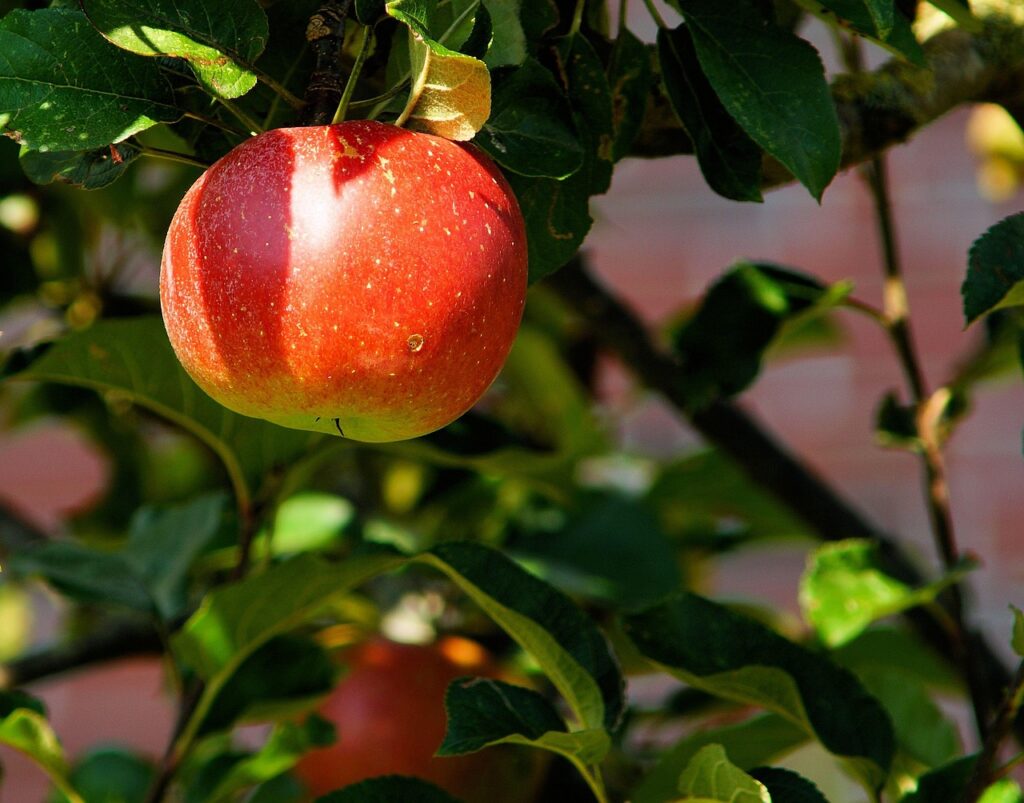
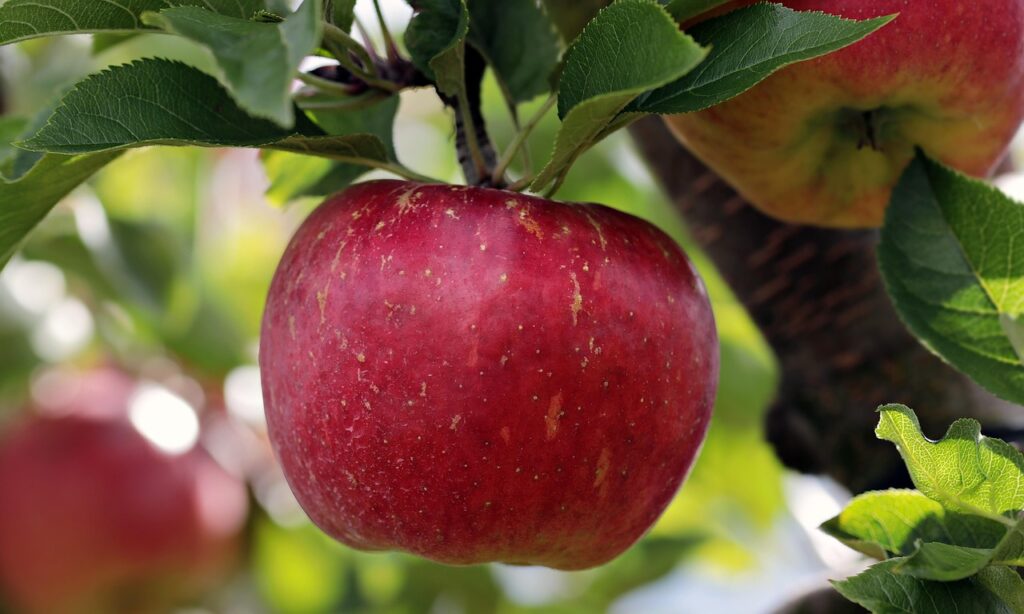
Apple varieties contribute to typicity: Brittany still grows traditional local varieties (rustic cider apples) used to create blends. A classic blend includes bitter apples for body, sharp apples for freshness, and sweet apples for alcohol and roundness. Artisanal cidermakers often prefer natural fermentation in open vats or barrels, without industrial yeast additions, to achieve more complex and distinctive profiles.
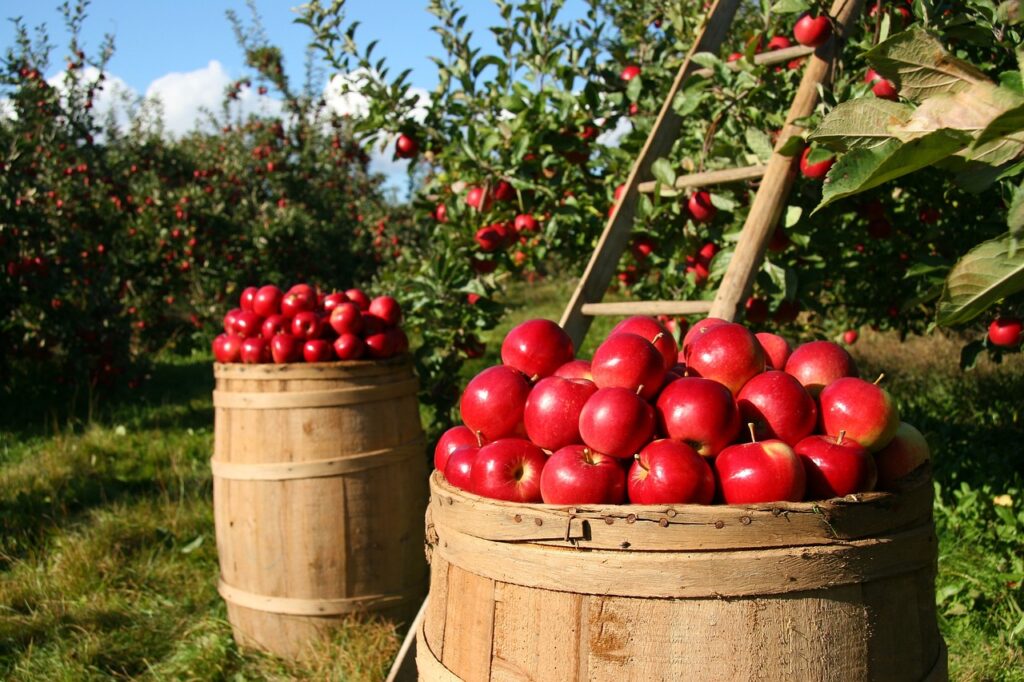
On the tasting side, a coastal dry cider (often labelled “brut”) will show herbaceous notes, saline acidity and a dry finish; a bocage medium-dry will offer ripe apple and honey aromas and a balanced sweetness; a perry or plateau cider might reveal floral nuances, ripe fruit and a finer mousse. In winter, orchard scenes are dramatic: apples brought to the press, low light on bare branches, the low hum of vintage presses — all elements that make Breton terroir a complete tourist experience.
Must-visit cider houses — addresses, hours, prices and practical tips
Brittany is rich in old cideries, family estates and specialist bars. Below is a selection of places to visit—realistic and representative of different terroirs—with addresses, typical opening times, tasting price ranges and practical visiting tips. Hours can vary with the season: it’s best to call or check producers’ websites before you go.
1. Cidrerie Le Brun (example of a family coastal cidery)
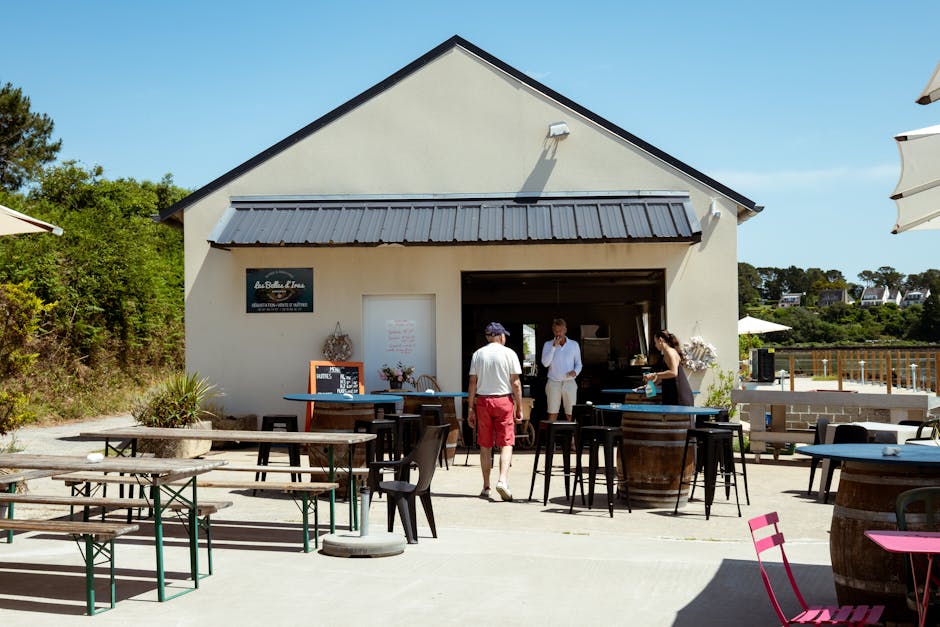
Address: Cidrerie Le Brun, 12 Route de la Mer, 22470 Plouézec, France – Phone: +33 2 96 20 44 88. Opening hours: Tuesday–Saturday 10:00–12:30 and 14:00–18:00; Sunday 10:00–13:00 (closed Monday). Visits & tasting: guided press tours on Saturdays at 11:00 and 15:00 by reservation. Prices: discovery tasting €6.00 per person (includes three 6 cl samplers), guided tour + tasting €12.00 per person. Description: located right by the coast, Cidrerie Le Brun offers brut and medium-dry cuvées made from local varieties, with a special interest in ciders aged in large oak tuns. The site has a terrace overlooking the sea and a small shop selling 75 cl bottles (from €4.50 for standard cuvées).
2. Domaine du Verger de Tréouergat (bocage and organic farming)
Address: Domaine du Verger de Tréouergat, 5 Le Bourg, 29550 Plouguerneau, France — Phone: +33 2 98 04 11 55. Hours: orchard visits by appointment; on-site shop open Tuesday–Saturday 9:30–12:30 and 14:30–18:30. Prices: guided orchard visit and pressing €15.00 per person (2 hours, tasting included), 75 cl bottles from €6.50. Description: an organic cider farm that focuses on orchard biodiversity, hedge maintenance and preserving old varieties. The visit includes a walk among the apple rows, a demonstration of artisanal pressing and a guided tasting in the cellar. The site has an educational area for families and offers apple juice workshops for children during school holidays.
3. Maison Kerisac — shop and workshop (example of a historic city house)
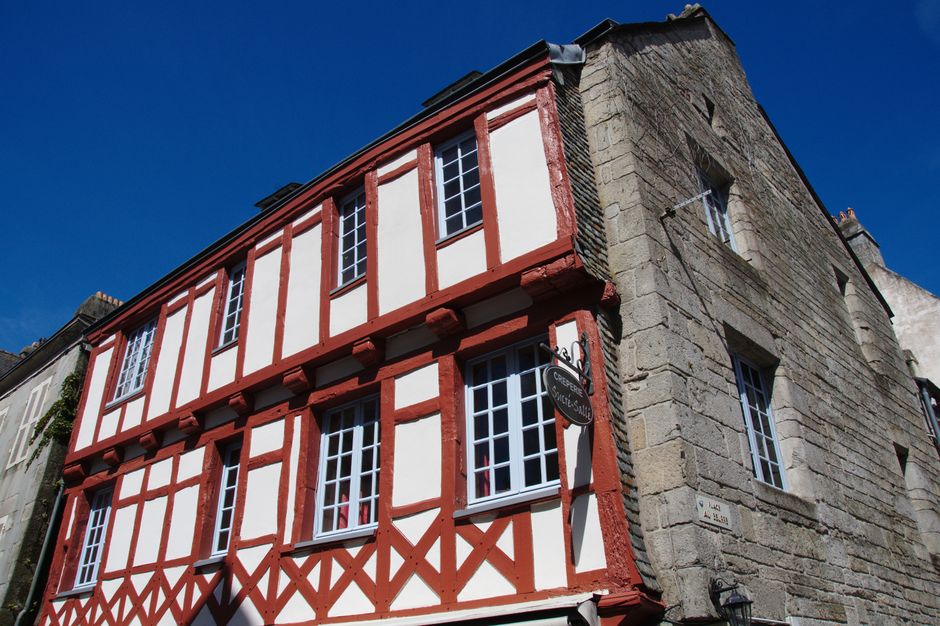
Address: Maison Kerisac, 18 Rue de la Poissonnerie, 29000 Quimper, France — Phone: +33 2 98 90 45 60. Hours: shop and workshop Tuesday–Saturday 10:00–19:00; Sunday 10:00–13:00 (closed Monday). Prices: tastings in the shop €5.00 (three cuvées), guided tour of the small production unit by appointment from €10.00 per person. Description: located in the historic centre, the shop-workshop lets you buy bottles on the spot (artisan beers and ciders), watch demonstrations and sample local pairings (brut cider with kouign-amann in a guided tasting). Kerisac offers limited editions in 75 cl bottles (€8.50–15.00 depending on the cuvée) and gift boxes.
4. Cidrerie de l’Île (small island cidery)
Address: Cidrerie de l’Île, 7 Quai du Port, 56170 Belle-Île-en-Mer, France — Phone: +33 2 97 31 22 77. Hours: open daily 10:00–18:00 in season (April–October), off-season by appointment. Prices: free tasting €4.00 (two samples), guided tour €12.00 (1h30, presentation of the press, tasting of four cuvées). Description: a small local cidery that highlights the marine influence on island apples. The building sits on the harbour; visits usually end with a tasting on the terrace overlooking the channel. The cidery sells small 37.5 cl bottles (€4.00) and 75 cl bottles (€9.50), plus special releases aged in maritime barrels.
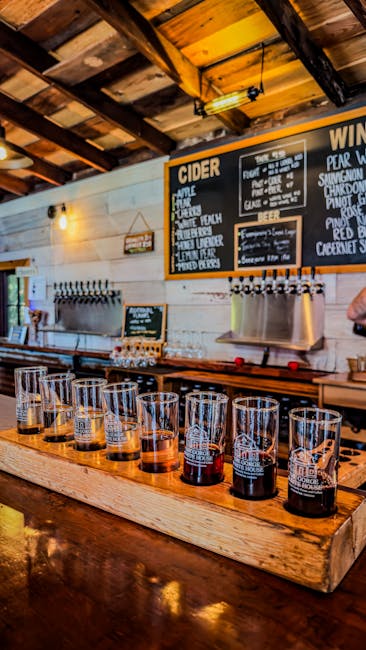
5. Le Comptoir du Cidre — specialist bar in Rennes
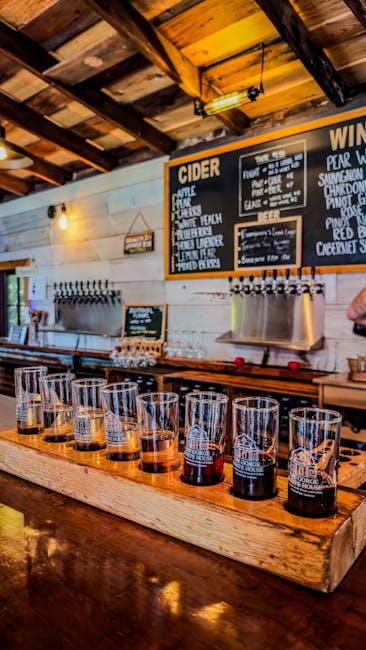
Address: Le Comptoir du Cidre, 3 Rue du Chapitre, 35000 Rennes, France — Phone: +33 2 99 30 10 45. Hours: Tuesday–Saturday 11:00–23:00; Sunday 11:00–16:00 (closed Monday). Prices: 25 cl glass from €3.50; tasting board (4 x 6 cl) €8.50. Description: a deli-bar dedicated to Breton and Norman ciders and perries. Perfect for a city-based introduction, Le Comptoir offers guided tastings, cider-and-cheese evenings, and stocks rare bottles and vintages. Tip: book for themed evenings; visit in the afternoon for a quieter tasting and personalised advice from the staff.
6. Ferme cidricole La Pomme d’Or (educational workshop and shop)
Address: Ferme La Pomme d’Or, 24 Chemin de Kerdévot, 56100 Lorient, France — Phone: +33 2 97 87 02 33. Hours: shop open Monday–Saturday 9:00–12:30 and 14:00–18:00; guided tours by appointment. Prices: pressing workshop for families (2 adults + children) €35.00; 75 cl bottles from €5.50. Description: a cidre farm offering hands-on workshops to learn sorting, pressing and following fermentation. The shop sells farmhouse ciders, apple juice and a few derivatives (jellies, vinegars). The welcome is family-oriented and suitable for children, making it an ideal stop on an educational route through Brittany.
Practical tips for visits: always call ahead to reserve, aim to arrive outside peak times (late morning or late afternoon), wear closed shoes for orchard and cellar tours, and bring an insulated bag if you plan to bring back several bottles. Also ask for the technical sheet of any product (apple varieties used, fermentation method, alcohol content) to deepen your understanding.
Local tips and food-cider pairings — how to taste and what to take home
Tasting cider requires a slightly different approach than wine: serve chill (8–12 °C for a brut, 6–8 °C for a naturally sparkling), use a tulip glass to concentrate aromas or a traditional bolée for the full Breton experience. Here are a few tips to get the most out of a tasting:
- Look: check the colour, bubbles and clarity. An artisanal cider can be slightly hazy if unfiltered.
- Smell: take repeated sniffs: fruit notes (green apple, ripe apple), floral, fermentative, even woody if barrel-aged.
- Taste: note the balance of acidity/sweetness, the tannic structure (some dry ciders can be slightly tannic) and the aromatic persistence.
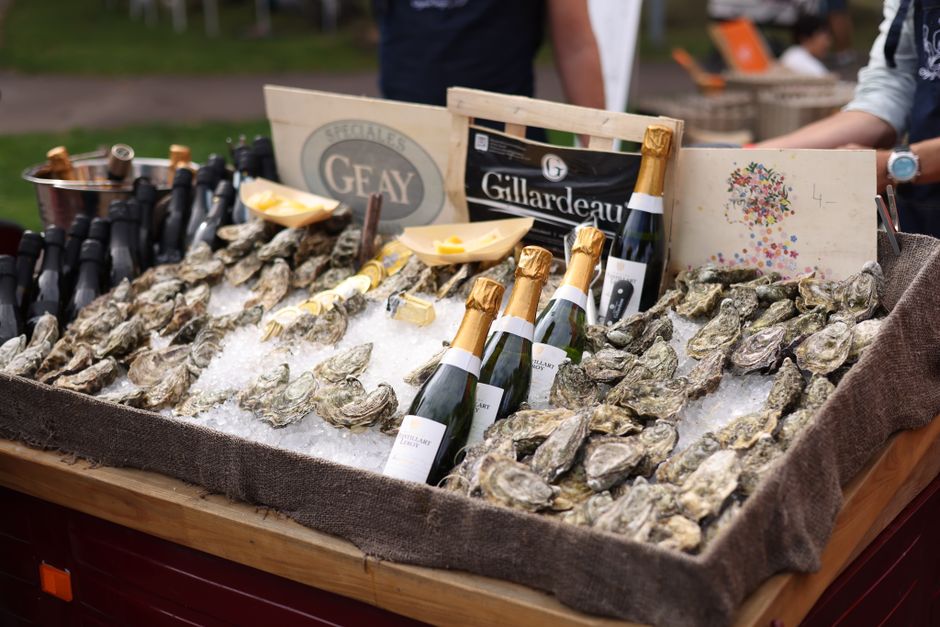
Classic pairings: brut cider with seafood (oysters, mussels, scallops), medium-dry cider with a complete galette (savory buckwheat pancake), sweet cider with apple desserts (tarte tatin) or soft cheeses (Camembert). For the adventurous, try a “reverse pairing” — brut cider with salted butter caramel — to discover surprising interactions between acidity and salinity.
If you want to bring cider home, favour well-sealed bottles and, if possible, thick glass packaging. In shops prices generally range from €4.00 to €20.00 per bottle depending on rarity and ageing. For gifts, choose boxed sets or magnum formats for a more impressive presentation.
Conclusion — Cider, a reflection of a vibrant and varied Brittany
Cider in Brittany is much more than a drink: it mirrors a territory, farming practices, peasant heritage and contemporary reinterpretation by innovative producers who respect tradition. Orchards bathed by salty sea air or sheltered by bocage hedges produce apples rich in aromatic diversity. The cideries and houses featured here illustrate that range—from small island cidery to organic estates and specialist urban shops where you can deepen your knowledge.
For visitors, a cider-focused trip in Brittany unfolds at many scales: a morning walk through an orchard, discovering an old press, chatting with a cidermaker, tasting on a terrace overlooking the sea. Each stop reveals a different key: history, terroir, technique and gustatory pleasure. When planning visits, check opening hours and reserve when possible, especially during the high season (July–August) when cider houses and shops can be very busy.
Finally, remember that cider invites experimentation. Taste several cuvées, take notes and ask producers questions: you’ll broaden your palate and your understanding of regional subtleties. Whether you favour iodised brut, round medium-dry or delicate perry, Brittany offers a full palette. Bring a few bottles home, share your discoveries over a Breton meal and let yourself be surprised by the richness of this liquid heritage that keeps evolving.