





Introduction: Breton seafood — a seasonal culinary heritage
Brittany has always been a land of fishermen, sailors and bustling markets where seafood takes center stage. From the sheltered bays of Cancale to the auction halls of Roscoff and the fragrant stalls of market halls, Breton seafood offers a range of textures and flavors that tell the story of a living coastline. This guide is designed to be a practical, mouth-watering companion for anyone wanting to learn the main species, their seasons and the best places to taste them across Brittany.
Here, the word season isn’t just about availability: it’s an invitation to look at the sea, understand reproductive cycles and respect biological rest periods. Oyster farming, mussel farming, coastal fishing and shellfish diving shape life on the shore. Knowing the seasons helps you avoid bland or protected products and lets you fully appreciate the freshness and quality that make Breton seafood famous.
This general guide, full of specific addresses, opening hours, indicative prices and local tips, is aimed at curious travelers, food lovers and anyone who wants to buy or taste seafood with confidence. We cover flagship species — Cancale oysters, bouchot mussels, scallops from the Bay of Saint-Brieuc, whelks, langoustines, crabs, carpet clams and sea urchins — explaining where to find them, when, how to choose them and simple ways to prepare them to get the best out of them.
You’ll also find concrete addresses: market halls, fish auctions, fishmongers and noteworthy restaurants with full addresses, typical hours and price ranges to help plan your choices. Practical tips will help you store, transport and season your purchases, plus suggestions for coastal day-trips to pair with tastings. Whether you’re planning a gourmet weekend in Saint-Malo, a longer stay around Morlaix or a stop at Cap Fréhel, this guide will help you savor the sea while respecting its seasons and the people who make it possible.
Key species and their seasons: oysters, mussels, scallops and more
Brittany is home to a wide variety of seafood. Knowing the seasons is essential to buy at the right time and to follow good environmental practices. Here are the main species, their peak-flavor windows and a few consumption pointers:
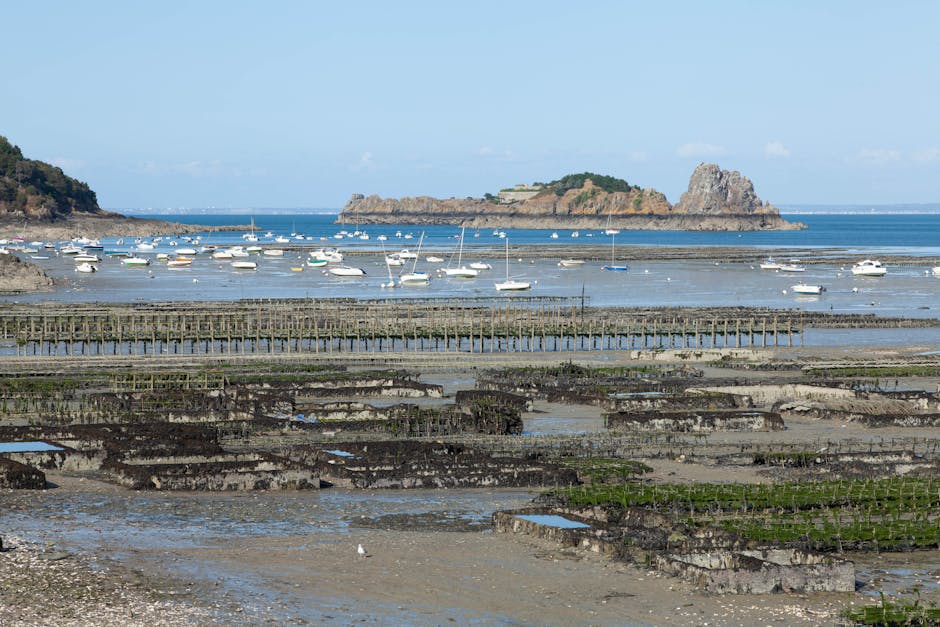
- Oysters (Crassostrea gigas and Ostrea edulis): Cancale oysters and those along the Atlantic arc are famous. They’re traditionally eaten year-round, but quality is at its best in the cold seasons — autumn and winter (September to March). The native flat oyster (Ostrea edulis), rarer, has a shorter season and can be pricier. Note: the old rule about months containing the letter “r” is no longer a reliable guide; some oysters farmed in cold water are excellent even in months without an “r”.
- Mussels (Mytilus edulis — bouchot mussels): Bouchot mussels, typical of the bay and coastline, shine in spring and autumn (March–May; September–November). Farmed mussels, if properly cleaned, can be consumed for much of the year.
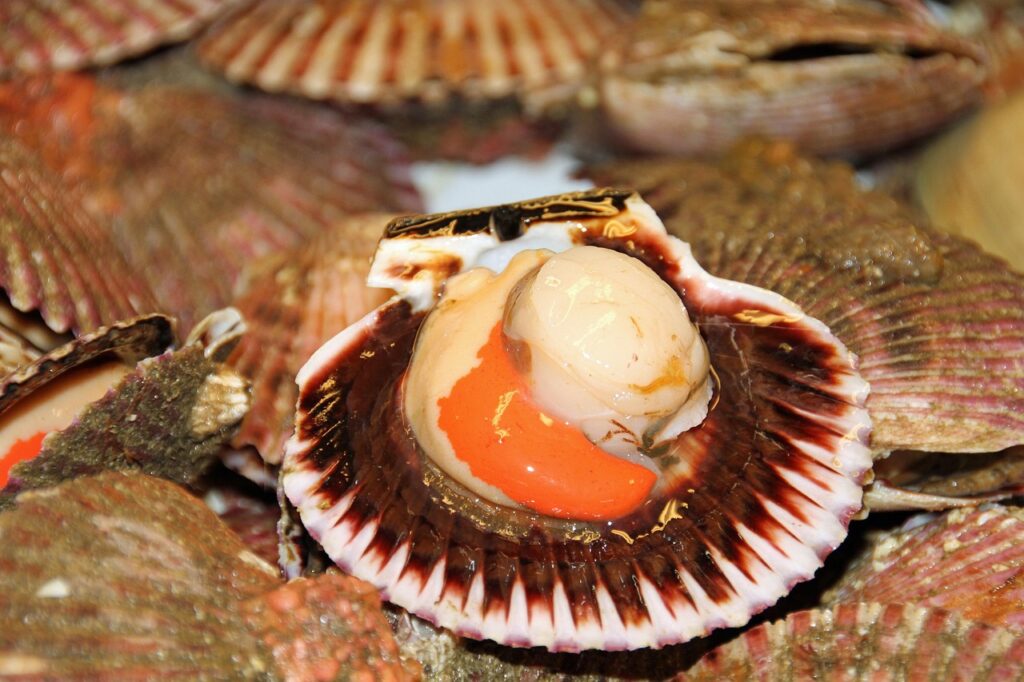
- Scallops (Pecten maximus): Fishing is seasonal to preserve stocks; the main season runs from October to May depending on the area (with strong presence in the Bay of Saint-Brieuc and the Trégor). The meat is delicate and sweet from autumn through spring.
- Langoustines and shrimp: Langoustines (Nephrops norvegicus) are often at their best in late winter and early spring. Brown shrimp (Crangon crangon) are available almost year-round, though size and flavor vary with the season.
- Whelks and periwinkles: These sea snails are mainly harvested in summer and autumn but are sold year-round. Their texture improves after a cold period.
- Crabs (brown crab, spider crab): Best at the end of summer and into autumn; prices vary with size and freshness.
- Sea urchins (Paracentrotus lividus): Highly seasonal — they’re tastiest in winter and spring, especially between December and April when the roe is most generous.
Sizes, grading and local labels (for example PDO/AOC for some shells, or local quality marks) also affect price and quality. As a rough guide for 2026, expect:
- Cancale oysters: a dozen (12 pieces) roughly €18–35 a dozen depending on size and grade in high season.
- Bouchot mussels: €3–6 per kilo at the fishmonger, €8–16 per kilo in restaurants.
- Scallops: €3–8 each depending on size and season (auction prices).
- Langoustines: €25–60 per kilo depending on size and freshness.
- Cooked whelks: €8–16 per kilo.
- Sea urchins: €3–8 each depending on region and size.
Prices fluctuate widely depending on the point of purchase (auction, fishmonger, market) and the tourist season. For the best value, favor early morning markets and the auctions where you can buy directly from fishermen.
Best places to buy: market halls, auctions and fishmongers to know
Where you buy your seafood makes all the difference. Here’s a selection of reliable spots where quality is generally excellent, with opening times and practical buying tips:
- Oyster Market — Port de la Houle, 35260 Cancale: An iconic spot to find oysters and shellfish straight from the producers. Hours: early-morning market almost every day; best time between 8:00 and 11:00; some producers open afternoons in summer. Price: on-site tasting with oysters on ice roughly €6–12 a dozen depending on size; sales by the kilo vary. Tip: park at Parking de la Houle, 1 Rue de la Houle, 35260 Cancale, and arrive early to avoid the crowds.
- The Auction of Roscoff — Quai de la Trinité, 29680 Roscoff: A large auction where you can buy landings directly. Hours: sales to professionals very early (3:00–9:00), public stalls and breakfasts open around 8:00–12:00. Price: scallops and langoustines at auction prices (variable); expect baskets of €30–50 depending on season. Tip: call the auction the day before to check arrivals (phone numbers are often listed on local tourist sites).
- Les Halles of Riec-sur-Bélon — Place du Marché, 29340 Riec-sur-Bélon: A go-to for fish and shellfish from the Bélon estuary. Hours: covered market open Tuesday, Friday and Sunday mornings (8:00–13:00). Price: Bélon oysters are pricier (€30–60 a dozen depending on classification). Tip: try the flat, AOP oysters if available.
- Fishmonger Le Pêcheur — 3 Rue de la Gare, 35400 Saint-Malo: A neighborhood fishmonger near the port. Hours: 7:30–12:30 and 15:00–19:00 (closed Sunday afternoons). Price: mussels €4–6/kg, cooked whelks €10–15/kg. Tip: ask if the catch was landed the day before for maximum freshness.
- Livestock pool — Port de Saint-Pol-de-Léon, 29250 Saint-Pol-de-Léon: Direct sales of shellfish and crustaceans. Hours: morning sales, hours vary with the tide. Price: depends on landings; langoustines €35–55/kg. Tip: call the port early in the morning to find out specific opening times tied to the tides.
Local tip: for oysters, favor producers who display their park numbers (oyster-farming concession numbers) — this guarantees traceability and origin. If buying at the auction, bring an insulated bag and ice packs for transport, especially in summer.
Where to eat: recommended restaurants, shacks and oyster bars
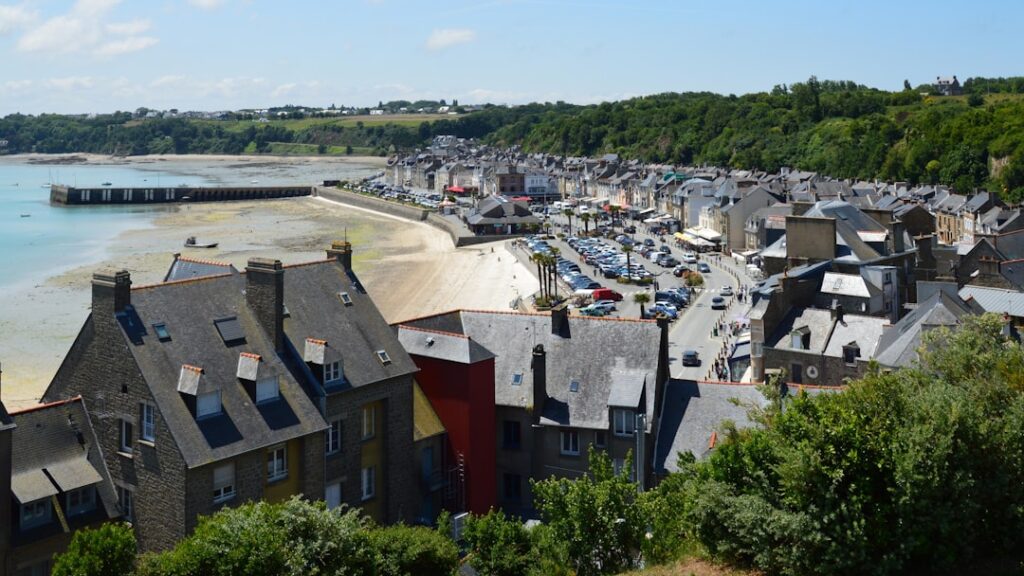
To enjoy seafood on site, Brittany offers everything from producer shacks to starred restaurants. Here are well-known, accessible spots with full addresses, typical hours and price ranges — handy for planning meals:
- La Maison de la Huître — 2 Quai Duguay-Trouin, 35400 Saint-Malo: An oyster and shellfish bar with harbor views. Hours: open daily 11:30–22:00 in season; in low season may close Monday evenings. Price: oyster platter 6 pieces €9–14, three oysters + mussels plate €18–28. Tip: book the terrace in summer.
- Le Coquillage (seafood restaurant) — 14 Place de Port, 35260 Cancale: Regional cooking focused on local products. Hours: 12:00–14:00 and 19:00–21:30 (closed Monday lunch outside peak season). Price: shared seafood menu €45–85 per person depending on selection and extras. Tip: ask for the fisherman’s platter to sample local variety.
- Chez Janou — Oyster bar, 8 Rue des Halles, 29600 Saint-Pol-de-Léon: A small spot famous for its platters. Hours: 10:00–13:30 and 17:00–20:30, hours vary off-season. Price: full oysters €2–4 each, platters from €25. Tip: pair with a glass of Muscadet or a local dry white.
- La Cabane de la Rade — Port de Ploumanac’h, 22700 Perros-Guirec: An oyster shack by the sea with a rustic vibe. Hours: mainly open during the tourist season 10:00–19:00. Price: oyster tasting €6–15 a dozen depending on size. Tip: a perfect stop after a walk on the GR34 coastal path.
For a full experience, combine a morning visit to a producer (auction or oyster farm) with lunch on site or at a nearby restaurant. Prices can be higher in high season, but freshness is guaranteed. Book especially on weekends and in July–August.
Practical tips: selecting, storing, cooking and respecting seasons
Buying and eating seafood requires a few precautions. Here are concrete tips to select, store and cook your purchases while respecting seasons and food safety:
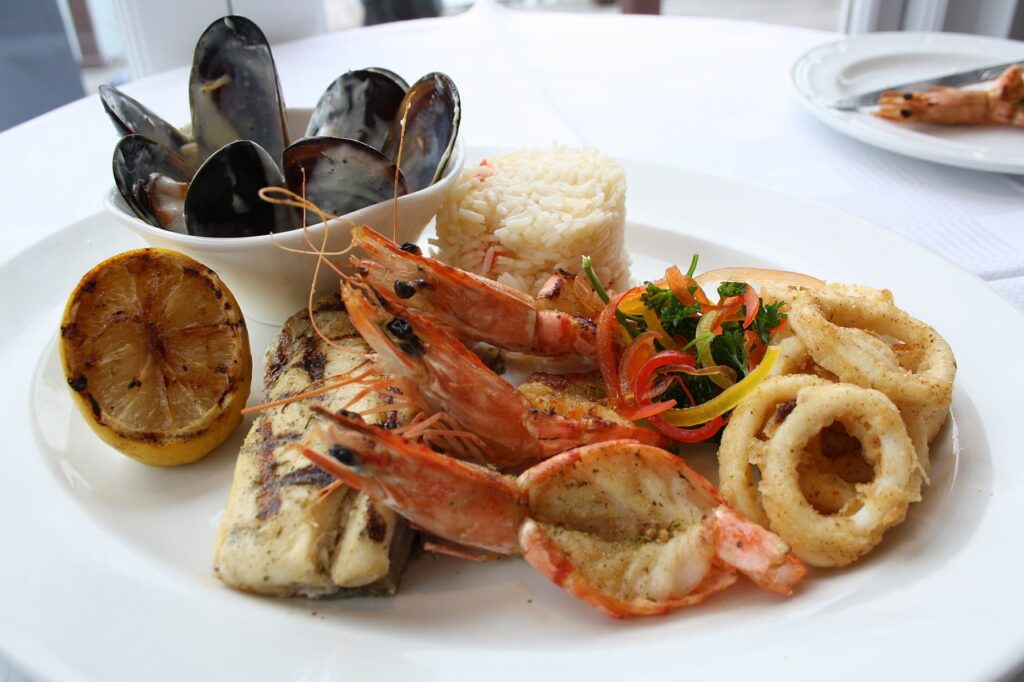
- Selection: For oysters, prefer ones that close slightly when shaken — a sign of freshness. Mussels should be closed; if open, tap them: if they close they’re safe to eat. Scallops should be firm and slightly moist, with no unpleasant odor.
- Storage: Transport in an insulated bag with ice packs. At home, keep oysters and shellfish cool (0–4 °C) and consume oysters within 48 hours and live shellfish within 24–48 hours. Do not store live shellfish under fresh water; keep them in a ventilated container covered with a damp cloth.
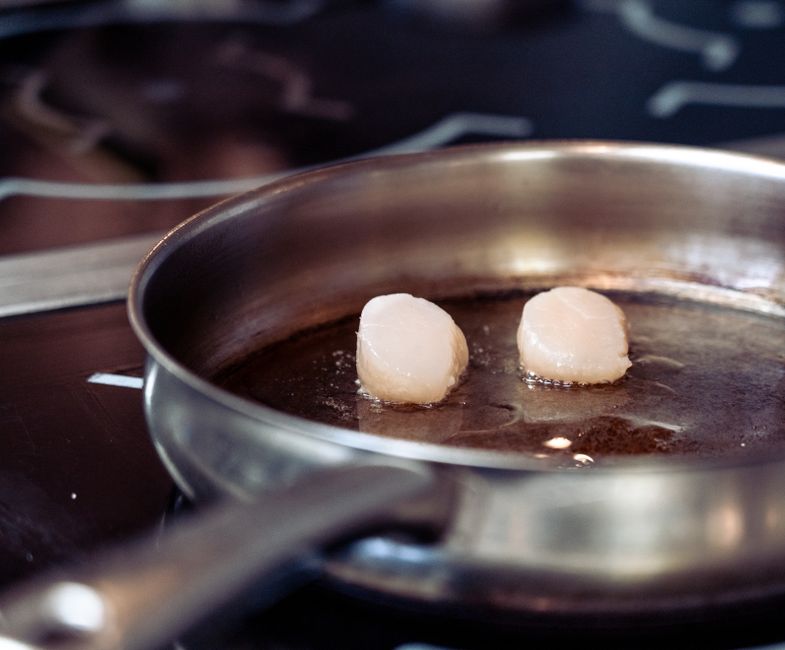
- Cooking: Scallops need a quick pan-sear (1–2 minutes per side) to stay tender. Mussels should be steamed until they open (4–8 minutes). Langoustines and crustaceans tolerate a short plunge in boiling salted water (2–4 minutes for live langoustines depending on size).
- Seasonings: Keep it simple and local: Breton salted butter, lemon, parsley, shallot vinaigrette, and a drizzle of olive oil for some preparations. For oysters, favor a shallot vinegar or a squeeze of lemon; avoid heavy sauces that mask the sea’s salinity.
- Respect the seasons: Check local fishing periods (for example, scallop closures vary by area). Fishermen and fishmongers can tell you about biological rest days and health advisories (temporary sales stops during algal blooms).
Local tip: always ask for the “lot number” or the name of the oyster concession when possible. That lets you trace origin and ensure sanitary compliance. When in doubt about the cold chain, prioritize eating on site or buying from recognized professionals.
Gourmet routes in Brittany: day-trip ideas around the best products
If you want to combine tourism and food discovery, here are three themed routes easy to do by car from Rennes or Brest, with precise addresses and suggested stops to buy and taste along the way:
- Cancale – Saint-Malo route (half-day): Start in Cancale at Port de la Houle (Parking de la Houle, 1 Rue de la Houle, 35260 Cancale) for a morning visit to the Oyster Market. Taste on site or buy to take away. Lunch at La Maison de la Huître, 2 Quai Duguay-Trouin, 35400 Saint-Malo (open 11:30–22:00). Afternoon: walk the ramparts of Saint-Malo and visit the local market on Quai Duguay-Trouin. Approximate budget: €15–50 per person depending on tasting choices.
- Roscoff – Île de Batz route (full day): Morning at the Roscoff Auction (Quai de la Trinité, 29680 Roscoff) to buy scallops and crustaceans. Ferry to Île de Batz (Compagnie des Iles, departures from Roscoff quay, times vary, round-trip about €11–20). Picnic on the island with products you bought. Return late afternoon. Total budget excluding meals: €20–60 per person depending on the ferry and purchases.
- Riec-sur-Bélon – Concarneau route (weekend): Morning at Les Halles of Riec-sur-Bélon (Place du Marché, 29340 Riec-sur-Bélon) for Bélon oysters. Lunch in Concarneau, explore the port and the walled town (Ville close). Overnight in a local lodging and visit fishmongers the next day. Approximate budget: €40–100 per person depending on lodging and dining.
These routes can be adapted by season: favor autumn and winter for scallops, late winter for langoustines and late spring for mussels. Always check local timetables and book if you plan to dine at popular restaurants in summer.
Respect and connections: how to talk with producers and fishermen
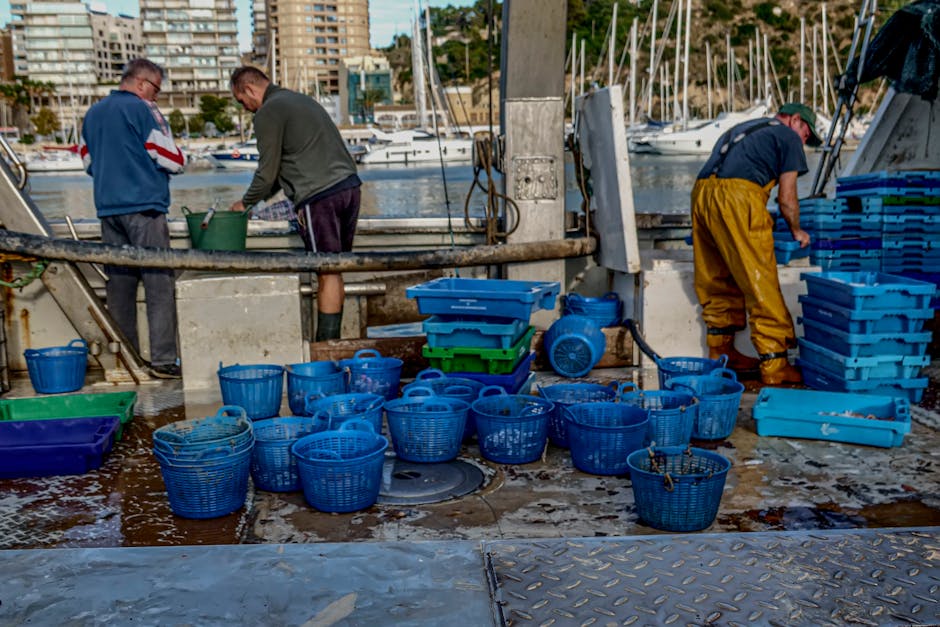
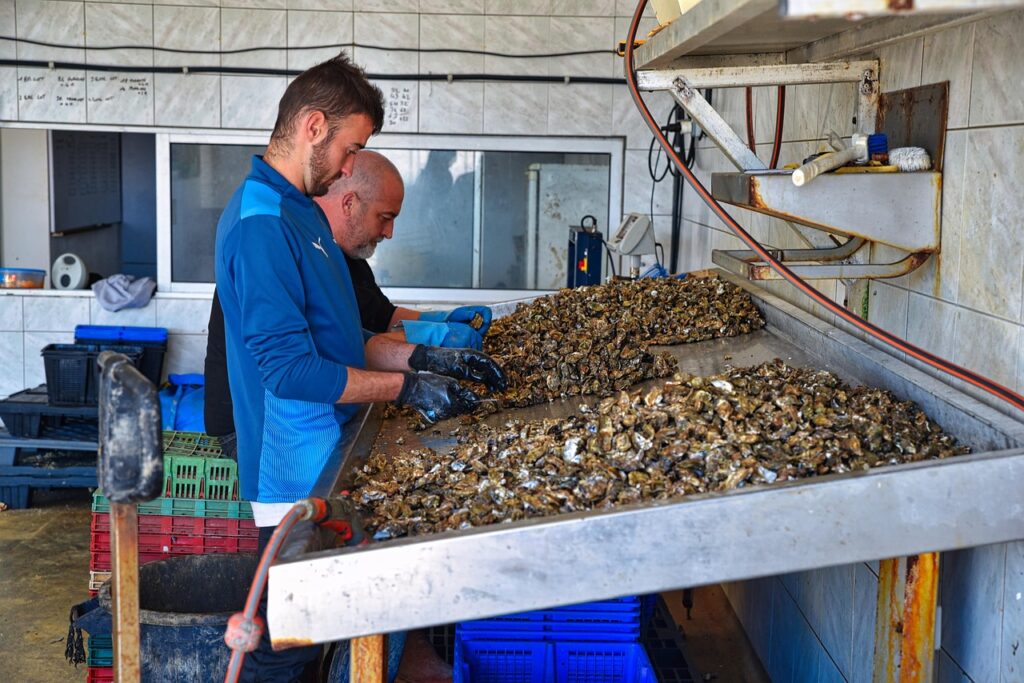
One of the richest parts of a gastronomic trip in Brittany is meeting the people of the sea. Fishermen, oyster farmers and fish buyers often carry knowledge passed down through generations. Here’s how to start a conversation and get the most from those exchanges:
- Prepare your questions: Ask for the oyster park name, the harvest date, whether the product was treated (decanting, maturing), and the best consumption periods. Fishermen appreciate genuine interest in their craft.
- Tours and tastings: Many oyster farms offer on-site tastings. Example: La Ferme Marine de Cancale (several concessions at Port de la Houle), hours vary, often 9:00–12:00 then 14:00–18:00 in season. Tasting price: €10–25 depending on the assortment. Book ahead in high season.
- Buy consciously: Favor direct purchases to support the local economy. Check whether the producer offers suitable packaging and conservation advice.
- Learn the techniques: Some small workshops teach how to shuck an oyster, cook a scallop or recognize a bouchot mussel — a great activity for families.
Respect local rules (don’t harvest from private concessions, obey prohibition signs) and be punctual for fishermen’s appointments; their schedules are often dictated by tides and weather. And don’t forget to say thank you — a small gesture that often opens the door to homemade recipes and exclusive tips.
Conclusion: taste Brittany with respect for the seasons and the people of the sea
Breton seafood is more than food: it reflects a close relationship between the sea, the climate and coastal communities. Understanding seasons, knowing where to buy and how to prepare these products will enrich your culinary experience and support sustainable practices. By favoring auctions, small producers and reputable fishmongers, you help maintain traditional skills and a fragile local economy.
This guide has given you practical markers — addresses, hours, indicative prices and hands-on tips — to organize your purchases and tastings. Whether you pick an impromptu tasting on the port of Cancale, a ferry trip to Île de Batz, or lunch at an oyster shack in northern Brittany, keep seasonality and traceability in mind. Fishermen and oyster farmers are valuable contacts: ask questions, listen to their advice and respect their health recommendations.
Finally, savor Brittany slowly: take time to enjoy the salty air, the lapping of waves and the simple preparations that bring out the marine character of the products. By respecting the seasons and the people of the sea, you’ll have an authentic, sustainable culinary experience deeply rooted in Breton territory.