





Introduction — Traveling Brittany: rails, roads and sea spray
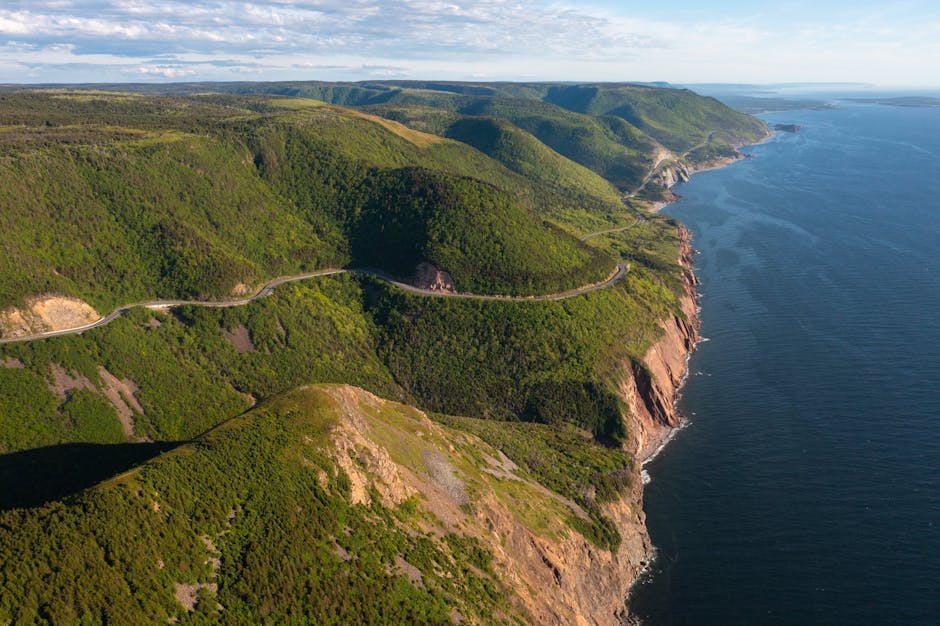
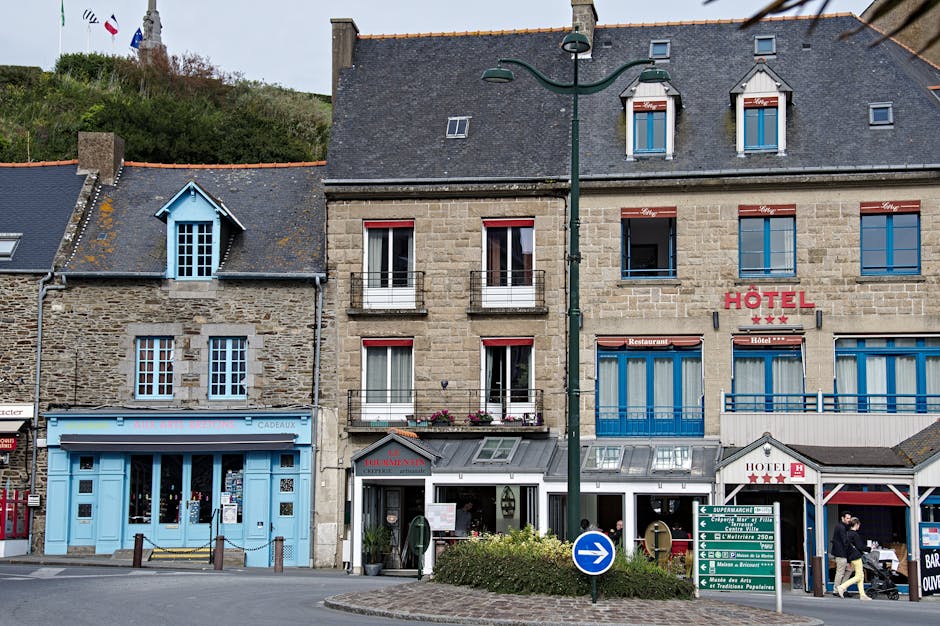
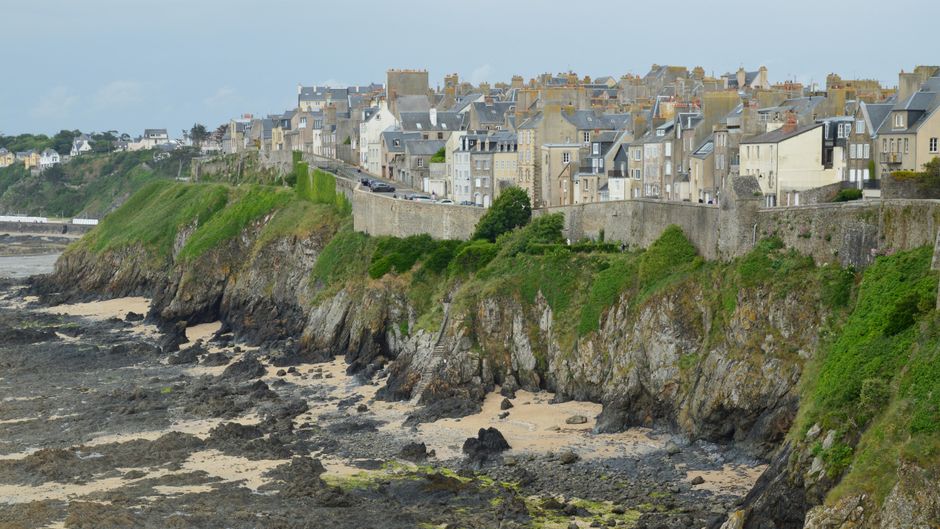
Brittany, with some 2,700 kilometers of coastline, cliffs shaped by the Atlantic, historic harbors and granite villages, is perfect for slow, attentive travel. To experience the Breton coast, mixing train + car + bus + ferry is often the most effective approach: major towns are linked by national and regional rail (SNCF TGV/TER), while national and departmental roads reach capes, beaches and the more remote headlands. This guide focuses on the best rail and road connections to visit the Brittany coast, offering precise addresses, typical timetables, price ranges and local tips to save time and enjoy authentic experiences.
Traveling by train gets you right into the heart of historic towns without worrying about parking: Rennes Station (Gare SNCF de Rennes, Place de la Gare, 35000 Rennes) is a handy gateway to northern Brittany, with direct TGVs from Paris-Montparnasse in about 1h25 to 2h depending on the schedule. Coastal stations like Saint-Malo Station (Place Chateaubriand, 35400 Saint-Malo), Brest Station (Place de la Liberté, 29200 Brest), Quimper Station (Place de la Gare, 29000 Quimper) and Lorient Station (Place Aristide Briand, 56100 Lorient) connect the shorelines to inland towns via TER Bretagne. Fares vary: a Paris–Rennes TGV usually ranges from €25 to €80 in second class depending on how far ahead you book and promotions; a TER Rennes–Saint-Malo ticket typically costs between €8 and €12.
For headlands and coves less accessible by rail, a car is still essential: the RN165 (N165, dual carriageway) links Rennes to Brest running south–north across the coast, while secondary roads (D roads) serve capes, lighthouses and small ports. Local rental agencies (Agence Europcar Rennes, 10 Rue de la Monnaie, 35000 Rennes; Hertz Gare de Rennes) offer cars from around €40–60/day off-season, more in high season. The regional coach network « BreizhGo » covers many intercity and local links with tickets from €1.50 to €6 depending on distance. Shuttle boats and ferry services (Brittany Ferries, Finistère Ports) round out the options, notably between Roscoff and the UK, or to connect Île de Groix and Belle-Île from the mainland.
This guide breaks down, section by section, the main rail corridors to explore the coast (Rennes–Saint-Malo, Rennes–Saint-Brieuc–Perros-Guirec, Rennes–Brest–Camaret, Quimper–Concarneau–Bénodet, Lorient–Vannes–Belle-Île), recommended driving routes (N165, D786, D783, D769), bus/ferry connections, exact addresses of stations and ports, typical timetables and price ranges, plus practical tips (parking, buying tickets, bike options on board, best times to avoid crowds). The immersive descriptions will help you picture each link and stop: from climbing Saint-Malo’s ramparts to the whistle of a coastal train, from a lighthouse lashed by spray to a creperie break by a sleepy harbor.
Before you go, keep a few local rules in mind: book TGVs and some TER journeys several weeks ahead in summer (July–August); check tide times if you plan to reach headlands or islands (schedules posted at each port’s harbor master office); and verify weather conditions for boat crossings. Brittany is best discovered slowly: allow 2 to 4 days per area to enjoy the landscapes without rushing. The following sections offer concrete itineraries, sample timetables, exact addresses and prices to help you plan a thoughtful, enjoyable trip along the Breton coast.
1. Rennes — Saint-Malo — Dinard corridor: the gateway to the Emerald Coast
The Emerald Coast, with its ramparts, beaches and seaside resorts, is one of Brittany’s most visited areas. The Rennes — Saint-Malo rail route is short, frequent and perfect for a first coastal taste. Depart from Rennes Station (Gare SNCF de Rennes, Place de la Gare, 35000 Rennes). Typical times: first TGV/TER trains around 05:30–06:30, services every 30–60 minutes during the day, last return trains around 22:30–23:00 (times vary by season). Duration: 1h to 1h15 on a direct TER. Price: €8–18 full fare depending on how far ahead you book; discount cards or regional passes reduce the cost. Buy at the SNCF ticket office, ticket machines or via the SNCF Connect app.
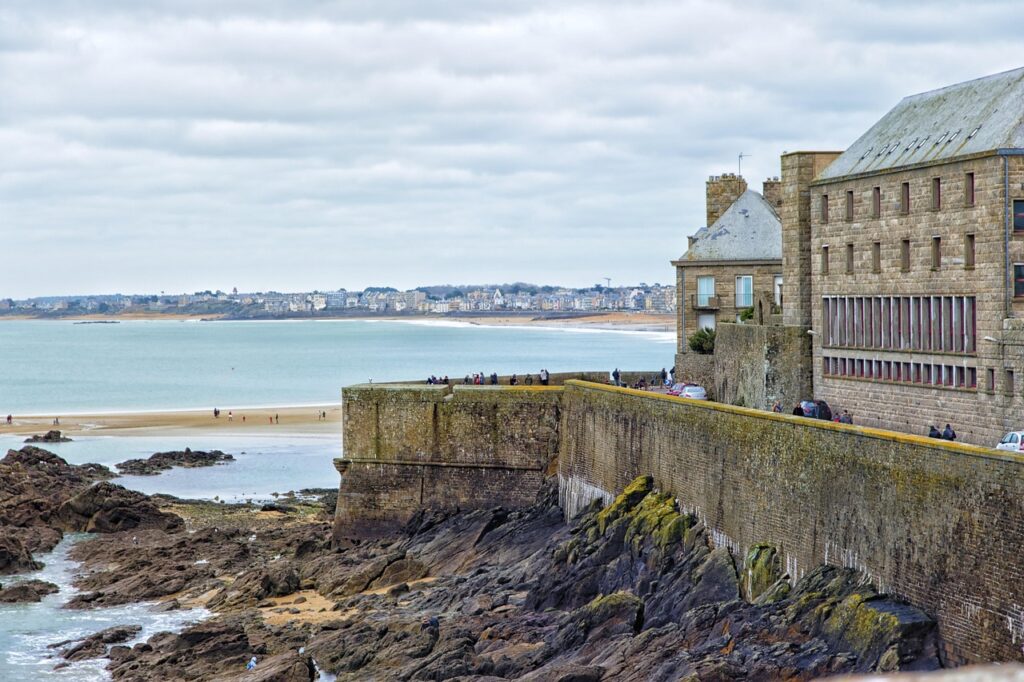
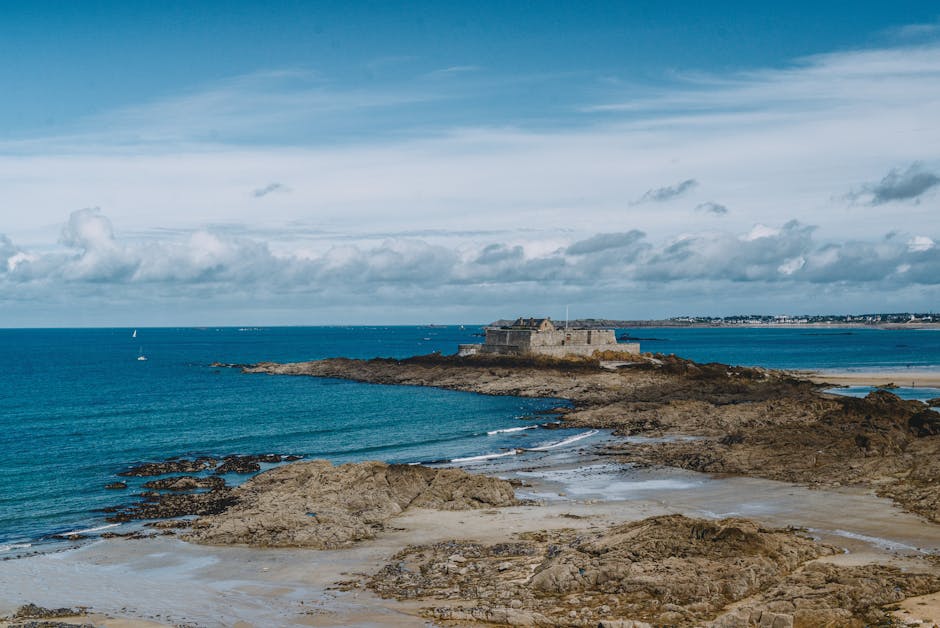
Arrive at Saint-Malo Station (Place Chateaubriand, 35400 Saint-Malo). From the station you’re a 10–15 minute walk to the ramparts and Plage du Sillon. Visiting hours: the ramparts are open at all times; tide times affect access to rocks and some coastal routes. To reach Dinard (Plage de l’Écluse, Promenade du Clair de Lune, 35800 Dinard), take the Saint-Malo Agglomeration city bus or the « Dinard – Saint-Malo » service operated by Keolis; frequency: every 15–30 minutes in the tourist season, fare about €1.50–2.50 per trip (single ticket). Tips: climb the ramparts at sunset for spectacular views; allow at least two hours for the corsair town, more if you want to visit the Grand Aquarium (224 Bd de Rochebonne, 35400 Saint-Malo), open 10:00–19:00 in season, adult ticket €16.50.
If you’re driving, Rennes → Saint-Malo via the N137 then D137 takes about 1 hour (80 km). Recommended parking: Parking des Remparts (Rue de la Cité, 35400 Saint-Malo) — typical rate €2.50/hour, maximum daily rate around €15 in high season. For island escapes, sail from Port of Saint-Malo (Quai Duguay-Trouin, 35400 Saint-Malo) to Jersey and Guernsey with seasonal operators; crossings start around 08:00–09:00 and one-way fares range from €40 to €70 depending on destination. Local tip: buy bus tickets in advance via the app or machines; during very high tides check sea schedules (SHOM website) before exploring the rocks around Fort National.
2. Saint-Brieuc — Perros-Guirec coastal line — Pink Granite Coast
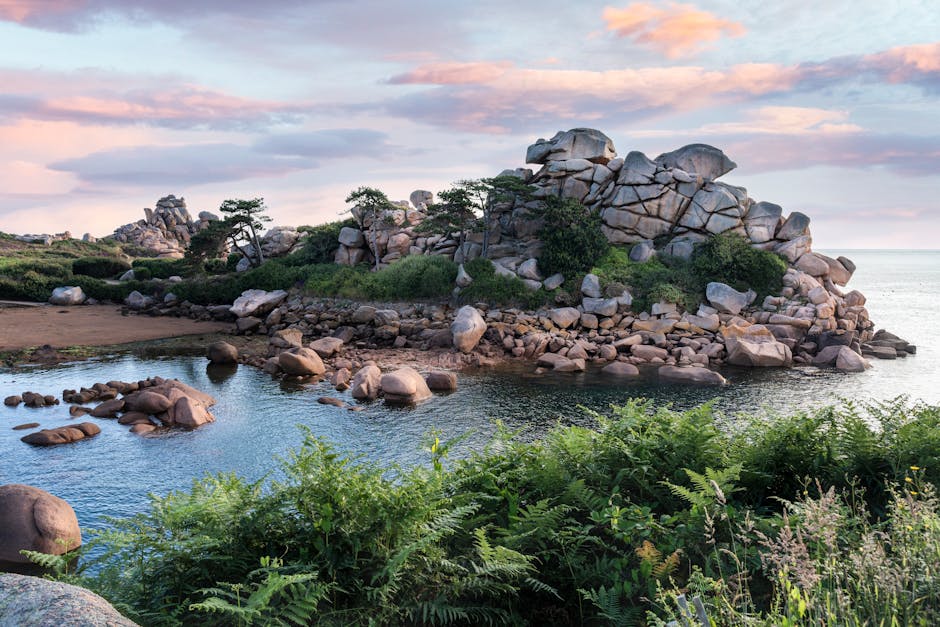
The Pink Granite Coast is famous for its warm-hued granite rocks and wild coves. The rail gateway is Saint-Brieuc Station (Gare de Saint-Brieuc, Place du 18 Juin 1940, 22000 Saint-Brieuc). Timetables: TER Bretagne runs a few direct services from Rennes (1h15–1h30) and connections from Paris via Brest or Rennes. Frequency: several trains a day, on average 6–10 TER depending on the day. Price: €12–25 depending on origin and booking. Station staff provide information and maps at the SNCF ticket desk.
From Saint-Brieuc you can easily reach Perros-Guirec and Trégastel by car via D786 then D786A (about 30–40 minutes, 25 km). By bus, BreizhGo line 9 links Saint-Brieuc to Lannion, Perros-Guirec and Trégastel; regular schedules in the tourist season, fares around €3–7 depending on distance. At Perros-Guirec (Plage de Trestraou, 22700 Perros-Guirec), coastal trails (GR34) offer panoramas over the granite formations. For sea trips, head to Perros-Guirec Port (Quai de la Mairie, 22700 Perros-Guirec) — boat tours to the Sept-Îles depart at 10:30, 14:30 and 16:30 in high season, adult fare roughly €16–20; book ahead with official operators (Compagnie des Iles, number posted at the port).
Must-see stops: Ploumanac’h (Lannion, 22700 Ploumanac’h) with its iconic lighthouse; recommended parking at the lighthouse car park (Parking du Gouffre, 22700, typical fee €3–5). Access: the site is freely accessible; the best light for photos is early morning or late afternoon. Train+bike: some TER trains accept folded bikes for free and regular bikes in limited numbers (free or €5 depending on route). Practical tip: bring sturdy shoes for granite trails and a windbreaker — it can be windy even in summer.
3. Brest — Crozon — Pointe du Raz: Armorican coast and Atlantic panoramas
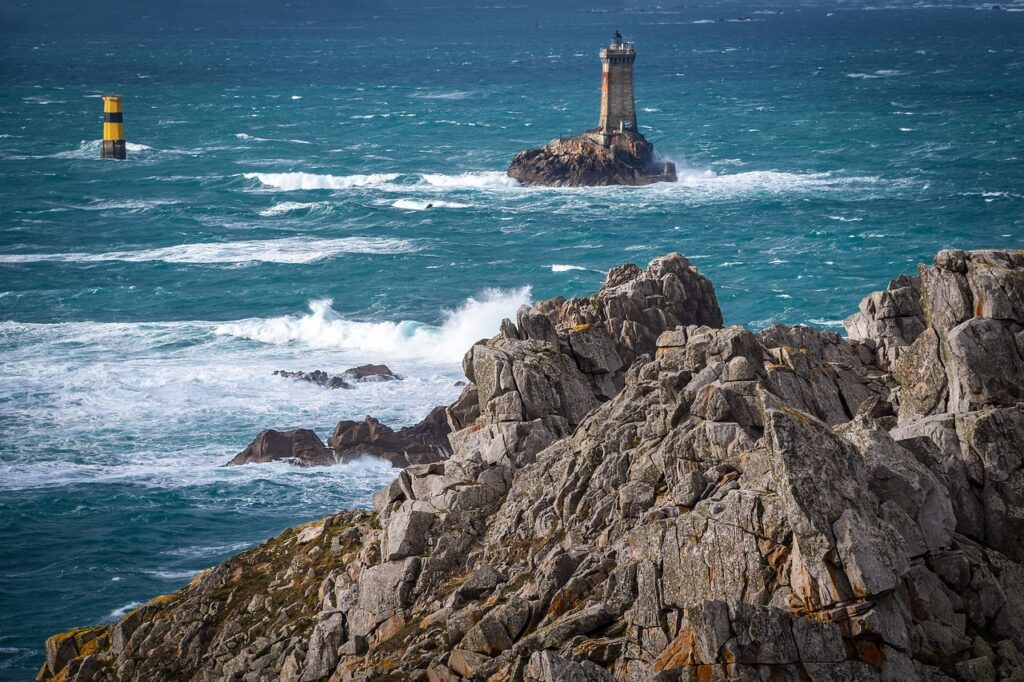
The Crozon peninsula and Pointe du Raz (in Finistère) offer rugged cliffs and ocean vistas. By train: Brest Station (Place de la Liberté, 29200 Brest) — direct TGV from Paris in about 3h30, regional TER services linking Brest to smaller coastal stations (Morlaix, Châteaulin, etc.). Timetable: Paris–Brest TGVs run several times a day (morning, midday, late afternoon); the station opens around 05:30; TER trains to Camaret-sur-Mer/Châteaulin vary by season (check boards). Price: Paris–Brest TGV €30–120 depending on flexibility; TER Brest–Crozon/Châteaulin €6–15.
To reach the Crozon peninsula, driving from Brest via N165 then D363 takes 45–60 minutes (around 60 km). Recommended parking: Parking du Fret (Camaret-sur-Mer, 29570) or Parking de la Pointe des Espagnols (Crozon, 29160) — typical day rates €2–6. If you prefer public transport, BreizhGo bus line 64 (Brest ↔ Crozon) runs several services, especially in summer; fares €3–8 depending on distance. The trails in the Armorique Regional Natural Park (GR34) are essential for viewpoints like Cap de la Chèvre and Pointe du Van.
For Pointe du Raz (Cap Sizun, 29770 Plogoff — car access recommended), route from Brest: N165 towards Quimper then D784 and D887 to the Pointe; travel time about 1h45 to 2h (110 km). Access: the area is open to the public but the site welcome center (Centre d’accueil Pointe du Raz, Place du Phare, 29770 Plogoff) is usually open 09:30–18:00 in summer; site access is free, parking paid €3–6. Local tip: leave early to avoid crowds and enjoy prime photo light; carry warm, waterproof clothing — the wind is often strong.
4. Quimper — Concarneau — Fouesnant: the southern coast and Breton anchorages
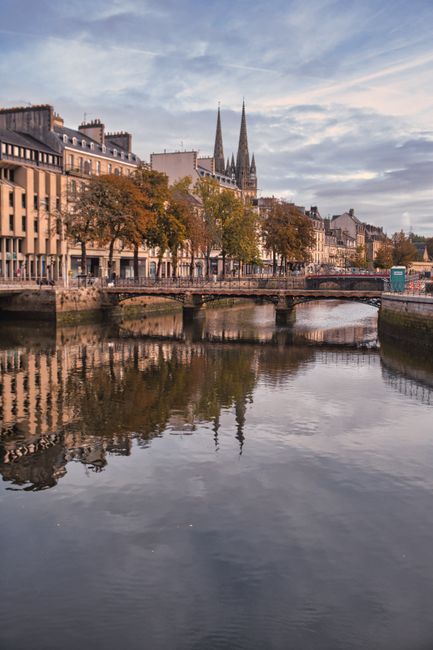
South Finistère is a patchwork of small ports, sheltered beaches and coastal paths. Quimper Station (Place de la Gare, 29000 Quimper) is well served by TER and TGV from Paris via Brest; Quimper–Paris by TGV takes roughly 3h15–4h depending on connections. Timetables: TER Quimper ↔ Concarneau/La Forêt-Fouesnant run multiple times daily; first TER around 06:00–07:00, last around 20:00–21:00. Price: Quimper–Concarneau about €4–8.
Concarneau (Ville Close, Quai Pénéroff, 29900 Concarneau) is a 15–20 minute drive from Quimper via D783, or reachable by BreizhGo bus line 13; ticket €1.50–4. The Ville Close is one of the most picturesque spots, reachable on foot from the harbor; access is free, with museums and shops operating seasonal hours. To get to the beaches of Fouesnant and Bénodet, follow D783 then D168: driving time 20–30 minutes. Beach parking is typically charged €2–6 per day in high season.
Recommended excursions: Île de Groix (departures from Port-Tudy, 56590 Le Palais if coming from Lorient, or from Lorient — Groix at Port of Lorient, Quai Tabarly, 56100 Lorient), with regular summer crossings — typical times 09:00, 12:00, 15:30; one-way fares €11–16 depending on season. For a tasty immersion, hunt down traditional crêperies: Crêperie Ty Coz, 12 Rue Keratry, 29000 Quimper (open 12:00–14:00 and 19:00–22:00; buckwheat galettes €8–12, sweet crêpes €5–7). Practical tip: if you’re traveling by train, check local bus connections for the small coastal roads; some services only run in season.
5. Vannes — Lorient — Belle-Île: Gulf of Morbihan and the western islands
The Gulf of Morbihan, with its islands and sheltered harbors, makes a distinct coastal circuit. Vannes Station (Place Pierre Sémard, 56000 Vannes): TGV/TER from Paris via Rennes, TER services from Lorient/Quimper. Timetables: Vannes ↔ Lorient trains run hourly during the day; first trains from about 06:00, last between 20:00–22:00. Price: Vannes–Lorient €6–12; Paris–Vannes via TGV €35–90. The station sits a 10–15 minute walk from the port and the historic center. In Vannes, wander the medieval center and take a boat to Île-d’Arz or Île-aux-Moines from Port of Vannes (Port-Maria, 56000 Vannes); seasonal departures are frequent between 10:00–17:00, fares €8–14.
Lorient (Gare de Lorient, Place Aristide Briand, 56100 Lorient) is a hub for the southern coast and islands. Ferries to Belle-Île-en-Mer depart from Port du Palais in Quiberon (Port Haliguen, 56170 Quiberon) or to Le Palais (Belle-Île) from Quiberon/Portivy depending on operator. Typical times: departures at 09:00, 11:30, 15:00; returns in the late afternoon; check carriers (Compagnie Océane, CTM) for exact schedules. Price: one-way Lorient/Quiberon–Belle-Île €10–20 per person, car supplement €35–60 depending on size and season.
Driving access: N165 links Vannes to Lorient (30–40 minutes, 60 km from Rennes), then D768/D780 to Quiberon and the peninsula. Parking: Port Haliguen (56170 Quiberon) daily lots €6–12 depending on season; for Belle-Île, it’s best to leave your car on the mainland and take the ferry. Local tip: book crossings in high season and arrive 45–60 minutes before boarding if you have a vehicle. For a cultural day, combine Vannes (market, Saint-Pierre Cathedral, Place Gambetta) with a half-day boat trip around the islands; evening light on the marinas is especially photogenic.
Conclusion — Planning your coastal trip: practical tips and sample itineraries
Brittany is easily explored by both train and car, and combining the two is often the key to a successful trip: trains get you quickly and stress-free to major coastal stations (Rennes, Saint-Malo, Saint-Brieuc, Brest, Quimper, Lorient, Vannes), while a car, bike or regional bus reveals the capes, coves and islands. To optimize your route, base yourself for 2–3 nights per area (for example: Rennes + Saint-Malo 2 nights; Saint-Brieuc/Perros-Guirec 2 nights; Brest/Crozon 2 nights; Quimper/Concarneau 2 nights; Vannes/Lorient 2 nights). That allows a mix of walks, boat trips and scenic drives without rushing.
A few final practical tips: book TGVs and ferries several weeks ahead in summer; buy TER tickets via the SNCF Connect app for real-time updates; use the BreizhGo network for bus links if you want to avoid driving; when renting a car compare agencies at the stations (Europcar, Avis, Hertz) and check parking rules in historic centers; carry cash for some car parks and small harbor shops. Check tide times if you plan island walks or access to certain rocky sites, wear hiking shoes and a windproof jacket, and enjoy local markets (Vannes market, Les Lices market in Rennes on Saturday morning) to taste regional specialties: Bélon oysters, grilled sardines, galette-saucisse and kouign-amann.
Finally, leave room for the unexpected: an unplanned stop at a headland, a tasting at an oyster farm in Cancale (Route du Port, 35260 Cancale), or a late crossing to Belle-Île can turn a good trip into a memorable one. Rail connections give comfortable, fast anchors, while secondary roads reveal hidden treasures. Plan journeys by cross-checking train times, bus connections and ferry departures, note the stations and ports listed here, and set off ready to savor one of France’s richest coastlines: the Brittany coast.