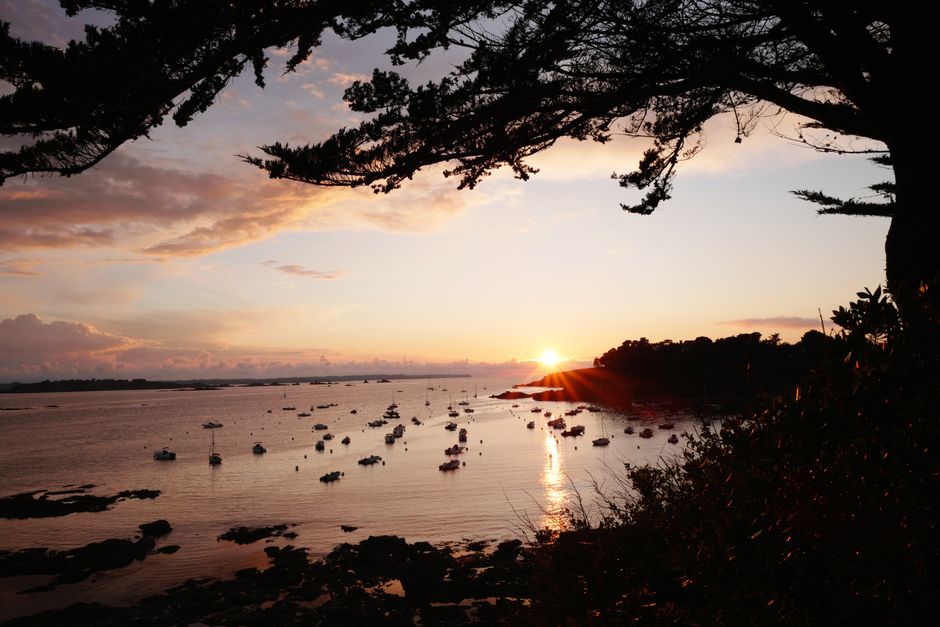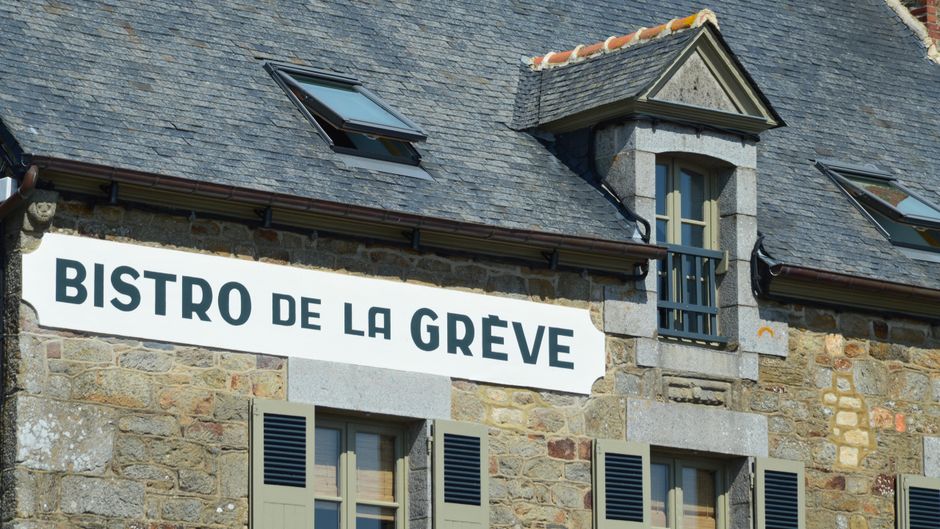






Introduction: A Deep Dive into Breton Symbols
Brittany is a region where history, the sea, language and traditions blend into a strong, instantly recognisable identity. From the windswept moors of Côtes-d’Armor to the millennia-old alignments of Morbihan, via port towns and market squares, every stone and celebration tells a story. This guide walks you through the 10 must-see symbols of Breton culture — the places and practices that best capture the peninsula’s soul: megalithic monuments, flag emblems, living festivals, music and flavours. For each symbol you’ll find exact places to visit, addresses, opening times and indicative prices, alongside immersive descriptions and local tips to make the most of your visit.
Why this kind of guide? Because Brittany is to be experienced with the senses: you hear it — in its bagadoù, sea shanties and festoù-noz — you see it — in jagged coasts, standing stones and parish enclosures — you taste it — in buckwheat galettes, sweet crêpes and seafood. You also understand it better by visiting specific sites where history feels tangible. Take the Carnac alignments: they are not just rows of stones but protected prehistoric landscapes, visual axes and interpretation sites. Likewise, the Gwenn ha Du flag is everywhere — flying from harbours, markets and even fishing boats. This guide does more than list symbols: it tells you where to see them, when to go, how much it might cost and how to optimise your visit.
You’ll also find practical recommendations: opening hours, entrance fees (indicative and subject to change — check official sites before you travel), best times to avoid crowds, and tips to meet artisans or catch a performance. Visual cues help paint a picture so you can imagine each place. Whether you’re on a coastal road trip, a cultural city break or immersed in a local festival, this guide will help you approach Brittany with curiosity and context.
1. The Carnac Alignments — Alignments of Carnac, Kermario, 56340 Carnac
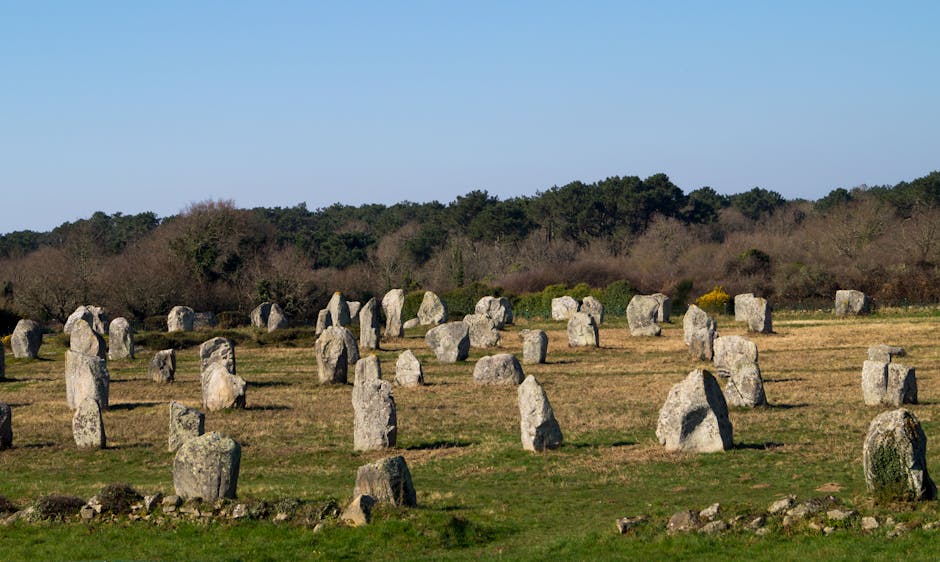
The Carnac alignments are arguably one of the most powerful symbols of prehistoric Brittany. Located in Carnac, Morbihan, these vast fields of standing stones stretch for kilometres and suggest ancient rituals, social organisation and a deep relationship with the landscape. The best-known area is the Kermario site, where thousands of stones line up in orderly rows.
Address: Alignments of Carnac, Kermario, 56340 Carnac.
Opening times: vary by season; the outdoor sites are generally accessible 7 days a week, 24/7. The Carnac Interpretation Centre (Maison des Mégalithes, 9 Avenue de la Plage) is open daily in July–August 10:00–18:30; check the official site off-season.
Prices: outdoor access is free; Interpretation Centre approx. €6–9 (full price, concessions available).
Immersive description: walking among the Carnac stones at sunrise or sunset feels almost mystical. Weathered by time and salt air, the stones create perspectives and shadow plays that shift with the seasons. Educational panels and guided tours (often run by the Carnac tourist office, Place Maryse Bastié, 56340 Carnac) help explain dating techniques and theories about ritual uses.
Local tips: arrive early to beat the crowds and enjoy soft morning light. Stick to marked paths — the sites are protected. In summer, combine your visit with Saint-Colomban beach for a striking sea-and-stone contrast.
2. The Gwenn ha Du Flag and the Museum of Brittany — Musée de Bretagne, Château des Ducs de Bretagne, Place Charles de Gaulle, 35000 Rennes
The Gwenn ha Du flag (white and black) has become the modern emblem of Brittany. You’ll see it flying from homes, shops and cultural events. To understand its history and development, visit the Museum of Brittany in Rennes, which preserves collections and archives on Breton identity.
Address: Museum of Brittany, Château des Ducs de Bretagne, Place Charles de Gaulle, 35000 Rennes.
Opening times: generally open Tuesday–Sunday 10:00–18:00 (closed Mondays); times may change during special exhibitions.
Prices: full ticket roughly €6–9; discounts for students and seniors; occasional free entry events — check the museum’s website before going.
Immersive description: at the Museum of Brittany, displays mix traditional costumes, Breton-language documents, photographs from regional movements and banners. The exhibit explains the Gwenn ha Du’s creation in the early 20th century and how it became a regional symbol. Panels also explore local variations and the flag’s presence at maritime or festive gatherings.
Local tips: pair the museum trip with a stroll through Rennes’ historic centre and a tasty stop at the Marché des Lices (Place des Lices, 35000 Rennes) on Saturday mornings, where Breton life is on full display. For a quality flag, skip tourist stalls and head to specialist textile shops in central Rennes.
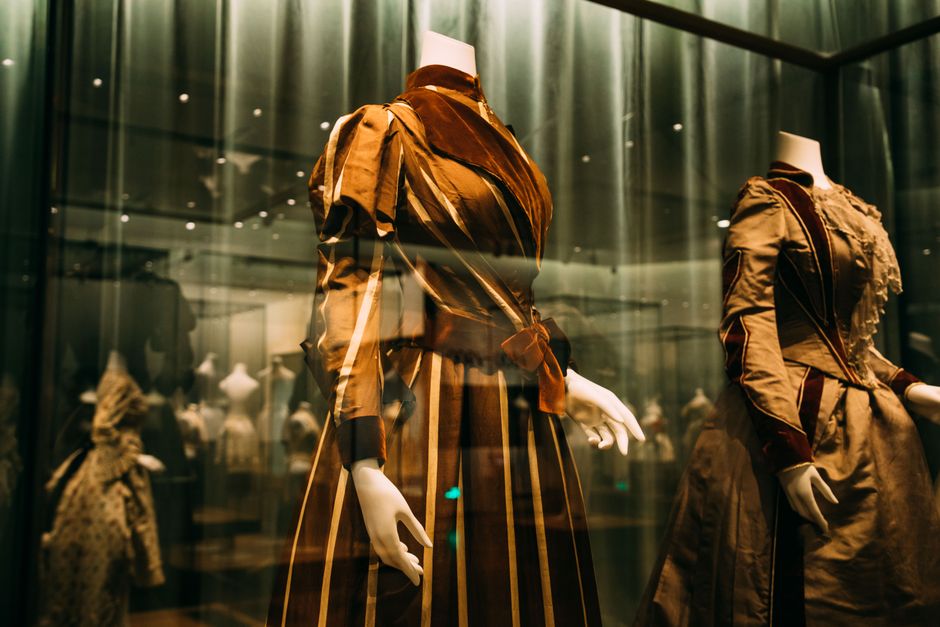
3. Festoù-noz and the Interceltic Festival of Lorient — Parc des Expositions de Lanester / Lorient, Quai de la République, 56100 Lorient
Dance and communal music are central to Breton culture. Festoù-noz (night festivals) are popular gatherings where people dance in chains to traditional tunes. Each year the Interceltic Festival of Lorient draws hundreds of thousands of visitors and musicians from across the Celtic world.
Main venue: Interceltic Festival of Lorient, Parc des Expositions de Lanester / Quai de la République, 56100 Lorient.
Times: the festival runs for about 10 days each summer (late July / early August). Festoù-noz take place year-round in community halls and bars; big events typically run 21:00–02:00.
Prices: festival concerts €15–60 depending on the headliner; local festoù-noz often €5–10; several free outdoor events are held during the festival.
Immersive description: picture thousands of people of all ages holding hands or linking arms, stepping in time to the bombarde and biniou. The rhythms are hypnotic, steps are passed from neighbour to neighbour, and the atmosphere is overwhelmingly convivial. Lorient’s festival adds an international angle with bands from Ireland, Wales, Brittany and other Celtic regions sharing stages and streets.
Local tips: if you’re new to festoù-noz, join an introductory session usually held at the start of the evening — often free — to learn the basic steps. Wear comfortable shoes. Book festival concerts in advance via official box offices (Place Aristide Briand, Lorient). Outdoor nights are weather-dependent; bring a light waterproof layer.

4. Menhirs and Dolmens of the Pays Bigouden — Pointe du Raz and Megalithic Sites of Pays Bigouden, 29770 Plogoff
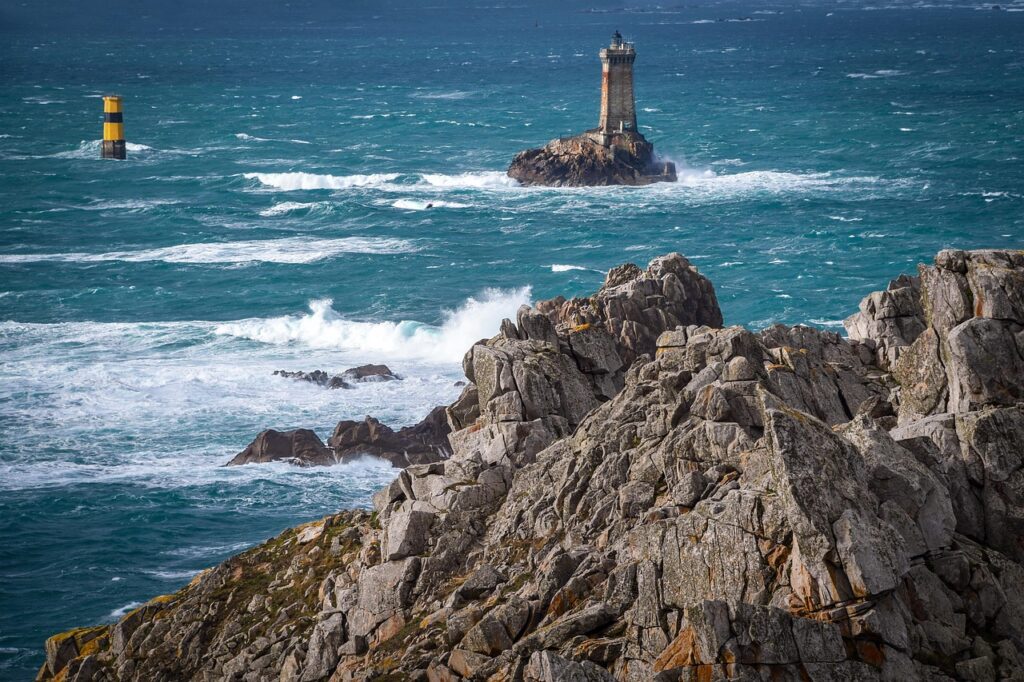
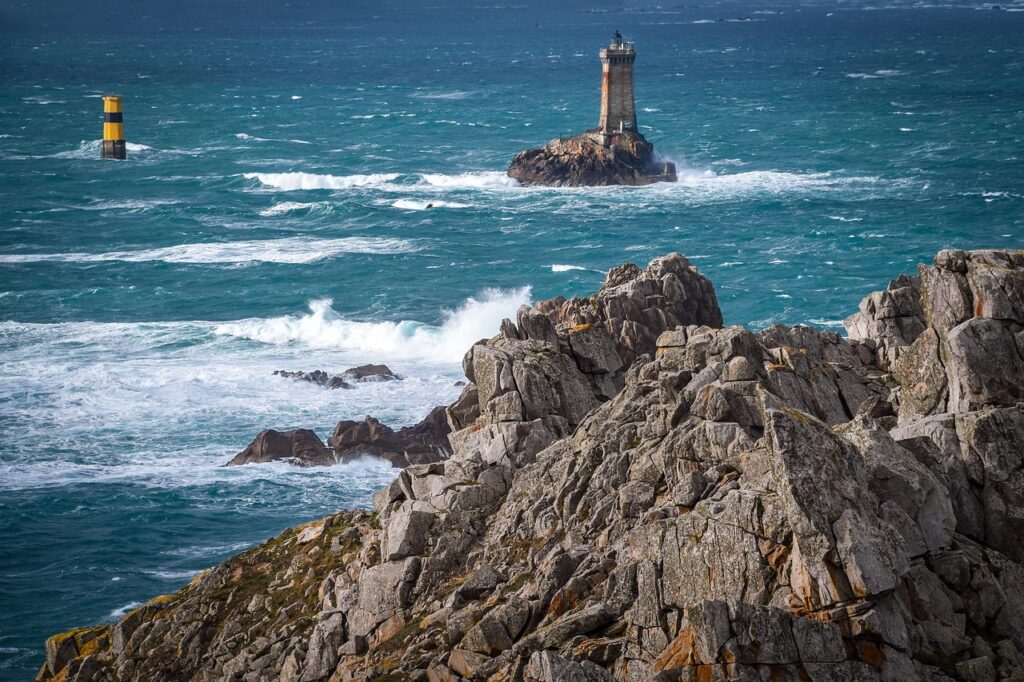
The south-western coast of Finistère, and especially Pointe du Raz, epitomises Brittany’s dramatic cliffs and wild landscapes. Nearby lie numerous megaliths and enclosures echoing a distant past. Pointe du Raz offers spectacular sea panoramas and a strong symbolic place in the Breton imagination.
Address: Pointe du Raz, 29770 Plogoff (protected natural site).
Opening times: the natural site is accessible year-round; the visitor centre (Maison de la Réserve) is usually open 10:00–18:00 in season. Trails may close during storms; follow posted information.
Prices: access to the pointe is free; seasonal parking approximately €4–6 per day; guided tours are available through local tourist offices (Office de Tourisme d’Audierne/Cap Sizun, 5 Place du 19 Mars 1962, 29770 Audierne).
Immersive description: from the cliffs at Pointe du Raz, the ocean stretches dramatically, waves crashing on black rocks and seabirds wheeling through salty air. For many, the site is a place of reflection — a symbol of land standing up to the Atlantic. In the evening the lighthouse and navigation markers add an almost mythical mood.
Local tips: bring hiking shoes and a windproof jacket. Visit early for the best light and to avoid peak crowds. Stop by nearby small ports (Douarnenez, Audierne) to taste fresh seafood after your walk.
5. Parish Enclosures and Quimper Cathedral — Cathédrale Saint-Corentin, Place Saint-Corentin, 29000 Quimper
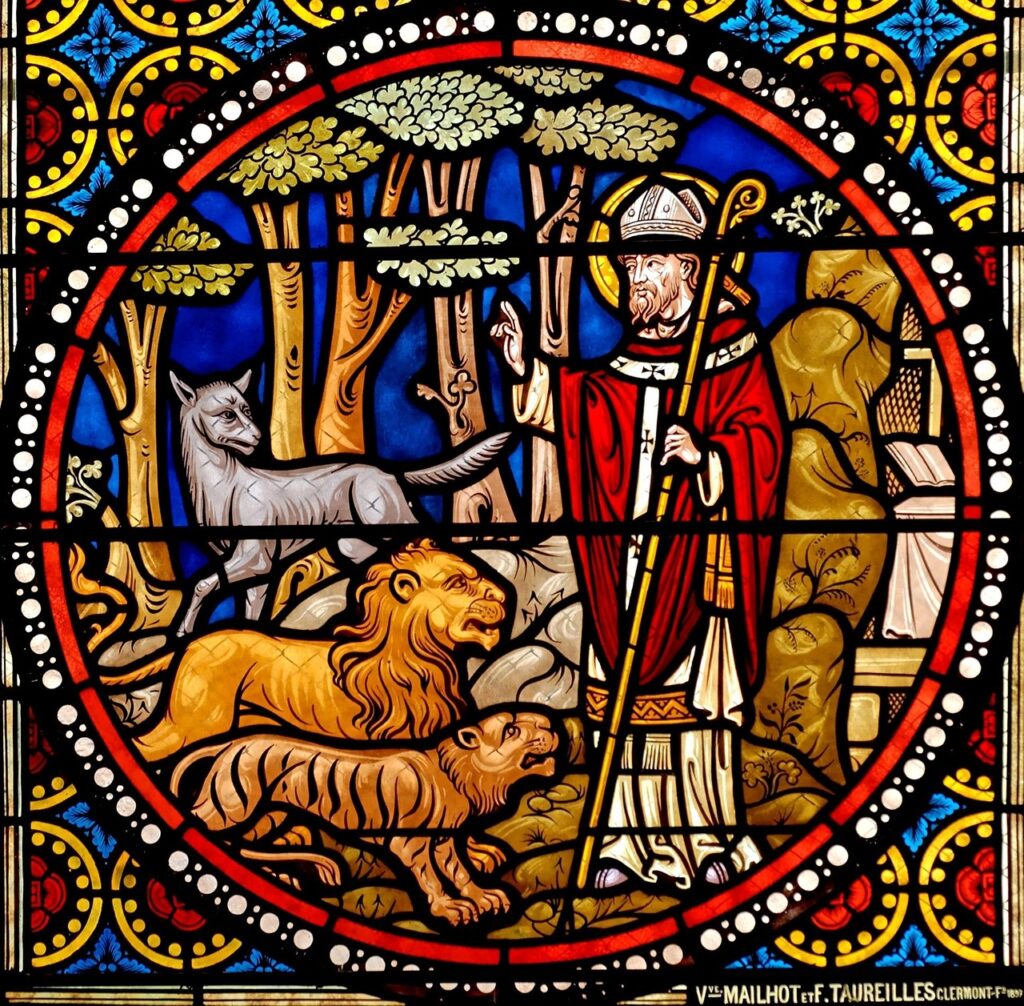
Parish enclosures, typical of Finistère, are precious religious complexes made up of churches, calvaries and ossuaries. Quimper’s Cathédrale Saint-Corentin is a Gothic masterpiece and a key place to understand Breton religious art.
Address: Cathédrale Saint-Corentin, Place Saint-Corentin, 29000 Quimper.
Opening times: generally open to the public 9:00–18:00 depending on services and season; may close temporarily for ceremonies. Guided tours are offered by the Quimper tourist office (12 Rue Kéréon, 29000 Quimper).
Prices: free for self-guided visits; guided tours about €5–10 depending on the option.
Immersive description: the cathedral’s soaring spires and colourful stained glass house richly decorated chapels and altarpieces. The surrounding parish enclosures reveal a distinct artistic fervour: sculpted calvaries, arcades and historic baptismal fonts. These elements reflect the devotion and craftsmanship of Breton workshops from the 15th to 17th centuries.
Local tips: take a guided tour to fully appreciate iconography in the stained glass and altarpieces. Combine your visit with a wander through Quimper’s medieval lanes and sample local faience at the Faience Museum (Musée de la Faïence, 6 Place Saint-Corentin).
6. Crêpes and Galettes: The Classic Family Crêperie — Crêperie Le Moulin Vert, 12 Rue du Port, 56000 Vannes (example)
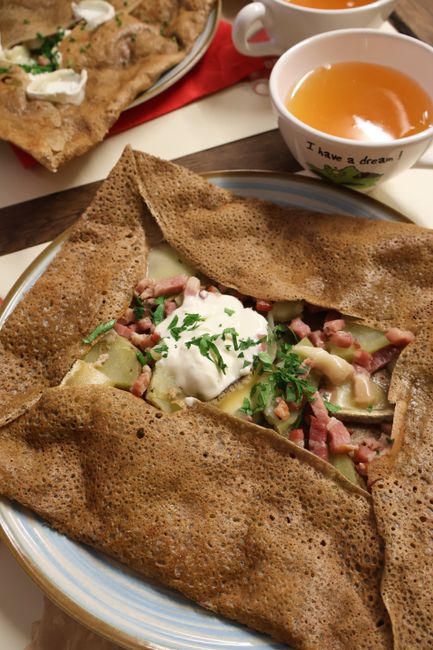
Breton cuisine is synonymous with buckwheat crêpes (galettes), cider and seafood. Family-run crêperies are meeting places where ancestral recipes are shared. A typical spot to try an authentic galette is a town-centre crêperie near the harbour.
Address (representative example): Crêperie Le Moulin Vert, 12 Rue du Port, 56000 Vannes.
Opening times: often open 12:00–14:30 and 19:00–22:00; some places stay open all day in high season. Weekly closures vary (commonly Sunday evening or Monday).
Prices: galettes €6–12 depending on fillings; sweet crêpes €3–7; local cider €3–6 per bolée (bowl).
Immersive description: the smell of salted butter and buckwheat hitting the hot plate greets you. The galette complète (ham, egg, cheese) and the crêpe with salted butter caramel are classics. Traditional crêperies serve on simple plates in a cosy atmosphere, and staff are usually happy to suggest cider pairings.
Local tips: order a bowl of dry or brut cider to go with your galette. If you have gluten concerns, check that the flour is 100% buckwheat (sarrasin). Book ahead in tourist season — many popular crêperies are full in the evenings.
7. The Bagad and Celtic Music: Bagad Kemper and the Cornouaille Conservatoire — Bagad Kemper, 21 Rue Kéréon, 29000 Quimper (schools and local stages)
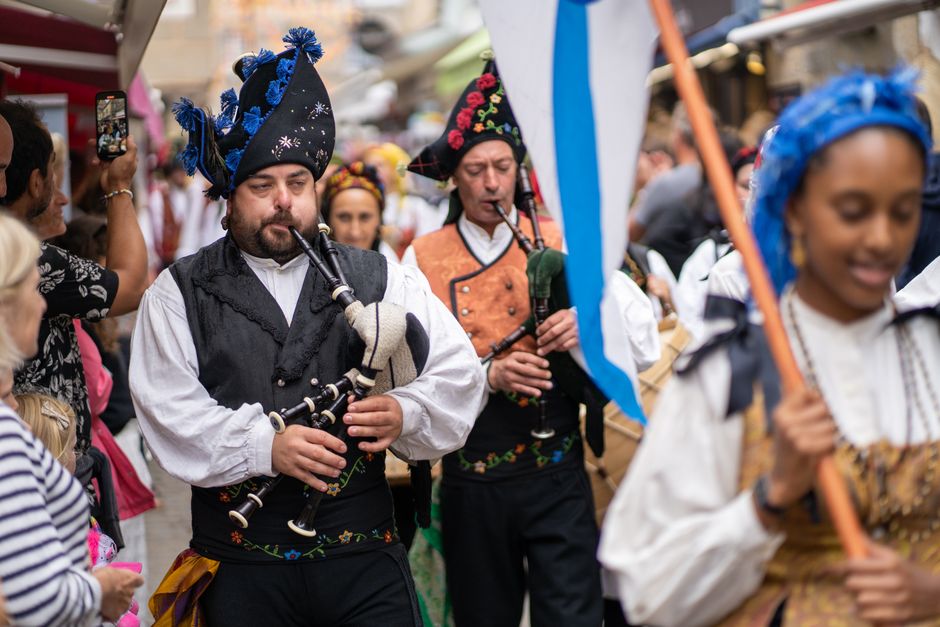
The bagad (bands of bagpipes, bombardes and percussion) is the beating heart of contemporary Breton music. Top bagadoù perform at festoù-noz and on major stages. Bagad Kemper, for example, is one of the most renowned ensembles and regularly appears at major events.
Address (indicative): Bagad Kemper (rehearsals and activities usually take place in cultural venues around Quimper) — check with the Quimper Tourist Office, 12 Rue Kéréon, 29000 Quimper.
Times: rehearsals in the evenings according to group schedules; concerts year-round with variable times.
Prices: concerts €10–40 depending on the venue; often free during local festivals or municipal events.
Immersive description: the raw power of the bombardes and the circular drive of the binious generate a unique energy. Traditional tunes sit alongside modern arrangements, sometimes orchestrated for international stages. Watching a bagad rehearse or perform reveals the technical discipline and collective pride behind these groups.
Local tips: check local cultural listings (town halls and venues like Le Quartz in Brest or Le Liberté in Rennes) for concerts and masterclasses. If you want to learn, enquire about classes at traditional music schools.
8. Fishing Ports and Seafood Cuisine: Port of Saint-Guénolé, 29730 Penmarc’h
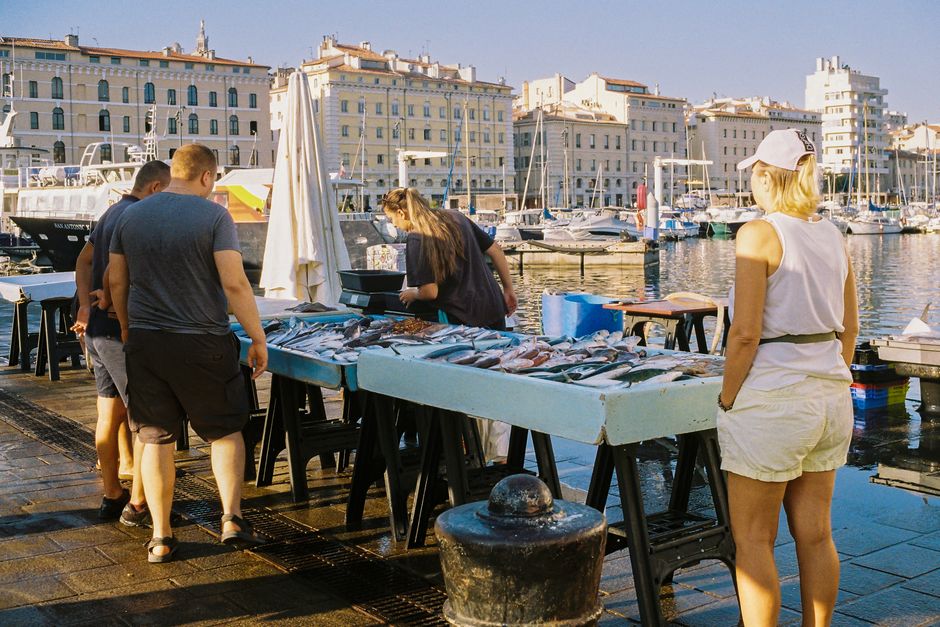
The sea is omnipresent in Brittany, and fishing ports are lively places where freshness is on sale. The Port of Saint-Guénolé in Penmarc’h is a working harbour where auctions and stalls showcase the close relationship between land and ocean.
Address: Port of Saint-Guénolé, 29730 Penmarc’h.
Times: auctions usually in the morning (roughly 05:00–10:00); markets and fishmongers open during the day; hours vary by season.
Prices: market prices vary with the day’s catch; seafood restaurants typically €10–40 per person depending on the dish.
Immersive description: arriving at the port at dawn, breathing salty air and listening to fishermen chat is a live theatre. Stalls display glistening fish, shellfish and sometimes rarer catches like wild bass or monkfish. Harbour restaurants often serve seafood platters where simplicity and freshness make all the difference.
Local tips: buy early to get the best picks. Ask fishmongers for cooking tips — often a drizzle of olive oil and a squeeze of lemon is enough to highlight the quality.
9. The Barnenez Cairn Megaliths — Cairn de Barnenez, Route du Cairn, 29820 Plouezoc’h
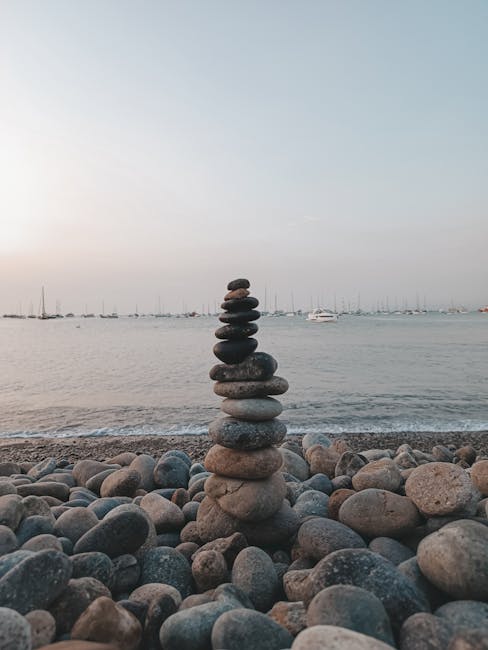
The Barnenez Cairn is one of Europe’s oldest megalithic monuments. Located on the north coast of Finistère, it offers an impressive archaeological visit and sea views that underscore the ancient funerary practices of Brittany.
Address: Cairn de Barnenez, 1 Route du Cairn, 29820 Plouezoc’h.
Opening times: visitor centre typically open 10:00–18:00 in season; guided visits recommended (around 1 hour).
Prices: full ticket roughly €5–8; reduced rates for children and families.
Immersive description: entering the cairn is like stepping back in time. Burial chambers, carvings and the monument’s orientation tell stories of ancient rituals. The panorama over the bay and nearby islets reinforces the maritime dimension of the site.
Local tips: opt for a guided tour to hear archaeological interpretations. Barnenez is often less crowded than Carnac; combine it with a walk along the wild Trégor coast.
10. The Breton Language and the Route of Parish Enclosures — Office of the Breton Language / bilingual signage sites in Finistère
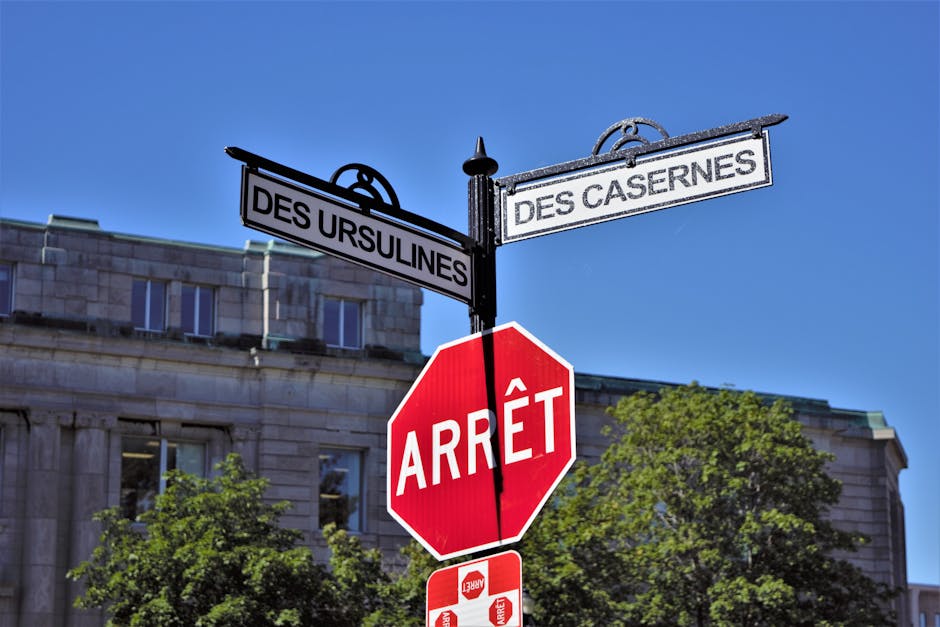
The Breton language (brezhoneg) is a cultural pillar. You’ll encounter it on signage, in Diwan schools (immersive Breton-language education) and at literary and music festivals. The Route of Parish Enclosures also exposes you to place names and toponyms that remain alive.
Useful addresses: Public Office for the Breton Language (supports local initiatives); for immersion visit a Diwan school (e.g. Diwan Quimper, 9 Rue Ange de Guernisac, 29000 Quimper — opening times and visits by appointment).
Times: offices and schools by appointment; language events throughout the year.
Prices: participation varies (many public events are free; workshops may cost €5–20).
Immersive description: hearing Breton sung at a fest-noz or spoken in a market reveals the language’s resilience. Bilingual signs and local media presence strengthen a sense of belonging. Diwan schools show how the language is passed to younger generations through immersion.
Local tips: if you want to learn a few words, start with simple greetings (demat, trugarez). Attend a reading or concert in Breton to feel the sounds and cultural weight of the language. Respect local sensitivities and don’t reduce the language to mere folklore.
Conclusion: Take Brittany Home with You
These ten symbols offer diverse and complementary entry points for understanding Brittany. From vast megalithic alignments to lively festoù-noz, from bustling ports to the Breton language, each element illustrates a facet of this multi-layered region. More than a simple tourist destination, Brittany is a place where the past is tangible and traditions are lived daily: in market squares, at a crêperie table, on a festival stage or atop a wind-swept cliff.
To make the most of your trip, combine cultural visits (museums, parish enclosures) with immersive experiences (festoù-noz, harbour markets, galette tastings). Respect protected sites — megaliths and coastal reserves require responsible behaviour — and use local tourist offices for practical info and bookings. Above all, leave time: Brittany often reveals itself through unexpected detours, meetings with artisans, fishermen or musicians.
Before you go, check official websites for up-to-date opening hours and prices; some events (Interceltic Festival of Lorient, temporary exhibitions at the Museum of Brittany) may require advance booking. Pack clothing for changeable weather, comfortable shoes for coastal paths and, most importantly, an open curiosity: Brittany rewards a curious and patient traveller. Have a great trip and trugarez (thank you) for choosing to discover Breton symbols — they’ll stay with you long after you return.