





Introduction: Why pick between train and car for a weekend in Brittany
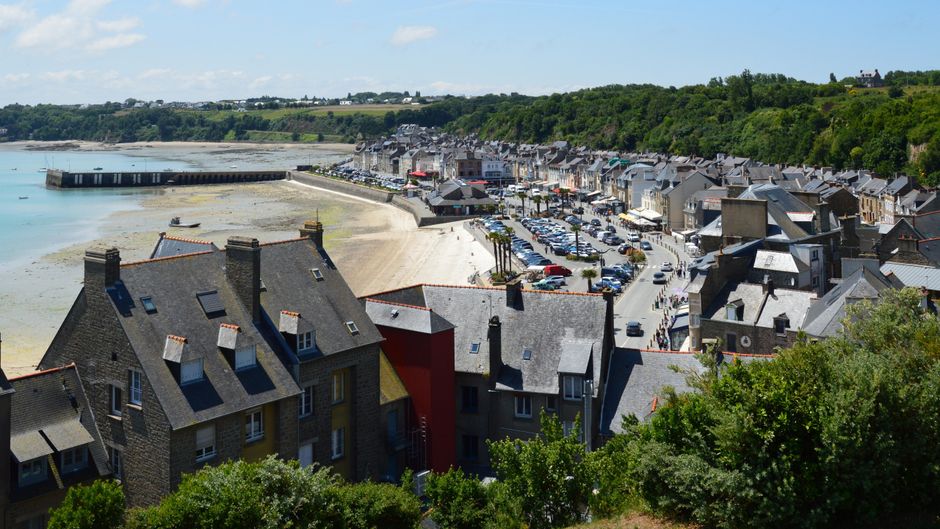
Brittany, with its jagged coastline, granite villages, sandy beaches and lively festoù-noz, is a perfect weekend escape. But the question often comes up: should you favor the train or the car to make the most of a short trip? The answer depends on where you’re coming from, what matters most to you (comfort, cost, freedom to roam), how many people are traveling, the pace you want and even the season. This guide helps you weigh the pros and cons of each option, with concrete addresses, typical schedules, indicative prices in euros and practical tips tailored to the region’s highlights.
The train appeals for its low environmental footprint and comfort: it usually arrives right in town centers, you avoid driving stress, you can nap or read on board, and you can plan journeys ahead using the SNCF app. However, in Brittany some coastal or wild spots are poorly served by rail; you may need to rely on a bus, taxi or bike rental for the last stretch. A car, on the other hand, gives you total freedom to reach secluded beaches like Pointe du Raz (29590 Plogoff) or to follow scenic peninsula roads, but it brings costs (fuel, occasional tolls, parking), tight driving lanes and the hassle of finding parking during peak summer periods.
This practical overview includes examples: Rennes station (Gare de Rennes, Place de la Gare, 35000 Rennes), usually open around 05:00–23:00 for ticket sales and passenger services; Saint-Malo station (Pl. de la Gare, 35400 Saint-Malo), served by TER and seasonal trains; and must-see spots such as Quimper’s old town (Place Saint-Corentin, 29000 Quimper), Pointe du Raz (29590 Plogoff) and Concarneau harbor (Port de Concarneau, 29900 Concarneau). You’ll find price indications: TER tickets Rennes–Saint-Malo from €7 if booked early, Paris–Rennes TGV fares €25–€80 depending on how far in advance, compact car rentals from €35–€50/day (insurance excluded), estimated fuel around €1.80 per liter (indicative), and parking fees (e.g. Parking du Sillon, Boulevard Hébert, 35400 Saint-Malo: about €2.00/hour, day rate €15–20).
In the sections that follow we’ll dig into the criteria to consider: journey time and comfort, direct and hidden costs, access and service frequency, parking and traffic constraints, plus practical tips and sample itineraries depending on your goals (city stroll, coastal escape, foodie weekend). The aim is to give you concrete, number-backed elements to choose rationally between train and car — or decide on a mix of both, which is often the best option in Brittany.
1) Trains in Brittany: comfort, pace and practical limits
Brittany’s rail network includes national TGV lines (notably Paris–Rennes and Paris–Brest via Rennes) and a TER network linking main towns and some coastal areas. Rennes station (Gare de Rennes, Place de la Gare, 35000 Rennes) is a major hub: TGV Paris–Rennes takes about 1h25–1h30, with fares from €25 to €80 depending on flexibility and how far ahead you book. The SNCF ticket counters and machines at Rennes are generally open around 05:30–22:30; check sncf-connect.com and the SNCF app for exact schedules and real-time prices.
Sample journeys and indicative fares: Rennes–Saint-Malo (TER): 1 hour, from €7 in second class if booked early; Rennes–Quimper (TER or TGV+TER): 1h45–2h15, from €15; Paris–Brest (TGV via Rennes): 3h20–4h, €40–€90 depending on advance purchase. Schedules vary widely by season: extra trains often run to beaches and seaside resorts in summer, while service frequency drops in low season (check TER Bretagne timetables online).
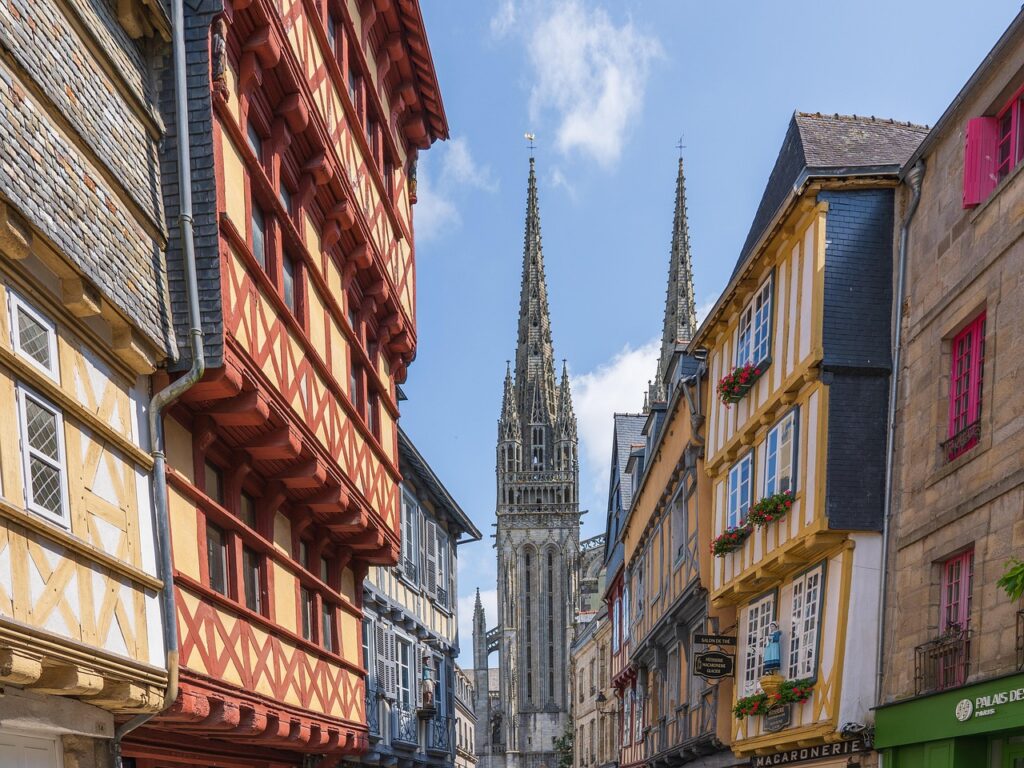
Concrete advantages of the train: arrival in the town center (easy for visiting Rennes, Saint-Malo, Quimper), no need to hunt for parking, relaxed travel and a smaller environmental footprint. Limits: some wild areas (Pointe du Raz, certain coves on the Crozon peninsula) are hard to reach without a car; the last mile may require a taxi (e.g. Quimper taxi, 2 Rue de Verdun, 29000 Quimper, fares from €5–8 initial charge + €1.50–2/km) or a local bus (often with limited schedules—see BreizhGo for lines and timetables).
Practical tip: combine train + day rental. Renting a car for a day from a station lets you keep rental costs down while enjoying local driving comfort when you need it. Rental agencies: Europcar – Gare de Rennes, Place de la Gare, 35000 Rennes (typically 08:00–19:00, compact rates €40–60/day excluding insurance), Avis Rent a Car – Gare de Saint-Malo, Pl. de la Gare, 35400 Saint-Malo (hours vary). Book online at least 48 hours in advance to secure better weekend rates.
2) The car: freedom, coastal routes and costs to watch
Driving for a weekend in Brittany gives you unmatched freedom: you can stop at viewpoints, explore minor roads you spotted on a map and change plans without timetables. Typical distances and drive times: Rennes–Saint-Malo about 75 km (≈1h10), Rennes–Pointe du Raz 230 km (≈3h20), Rennes–Brest 220 km (≈2h30–3h depending on traffic). Breton roads are often winding and sometimes narrow along the coast, so plan for cautious driving, especially in peak season when parking fills up fast.
Costs to budget and how to calculate them: fuel (95 unleaded: roughly €1.80/l as an indicator), average consumption 6–7 L/100 km for a compact; for a 500 km weekend plan fuel ≈ €55–65. Car rental: €35–70/day depending on category and season; insurance and young-driver fees may add €15–30/day. Parking: examples — Parking du Sillon, Boulevard Hébert, 35400 Saint-Malo: €2.00/hour, day rate €15–20; Quimper parking, Parc des Expositions, 29000 Quimper: €1.20–1.50/hour. Also factor in any tolls if you come via motorways (from Paris via A11/A81 to Rennes, some sections may be toll routes depending on your exact itinerary). Note that Brittany has relatively few long internal tolls, but some access stretches to motorways can be priced.
Tangible benefits: easy access to remote natural areas (Parc naturel régional d’Armorique, Crozon peninsula), capacity to carry bulky luggage, and flexible timing for meals and sunset photos. Downsides: stress in high season (heavy traffic). Concrete example: visiting Pointe de la Torche (near Phare d’Eckmühl, Pointe de la Torche, 29760 Penmarc’h) is easiest by car if departing from Quimper—expect a 25–40 minute drive and often paid parking in summer (€3–6 half-day).
3) Sample itineraries and train+car combos by weekend style
To help you decide, here are sample itineraries with estimated times and costs for three profiles: culture & city, wild nature, and beach & gastronomy weekends.
- Culture & cities (arrive by train): Take the TGV Paris–Rennes (depart Gare Montparnasse, multiple departures morning/evening; journey time 1h25). Once there, no car required—explore Rennes on foot: Musée de Bretagne, 2 Rue de la Fosse, 35000 Rennes (open Tue–Sun 10:00–18:00, entry €6–8). Then take the TER Rennes–Quimper (1h45, from €15) for an evening in Quimper (Place Saint-Corentin, 29000 Quimper). If you want to hit the coast, rent a car in Quimper for the following day (≈ €45/day).
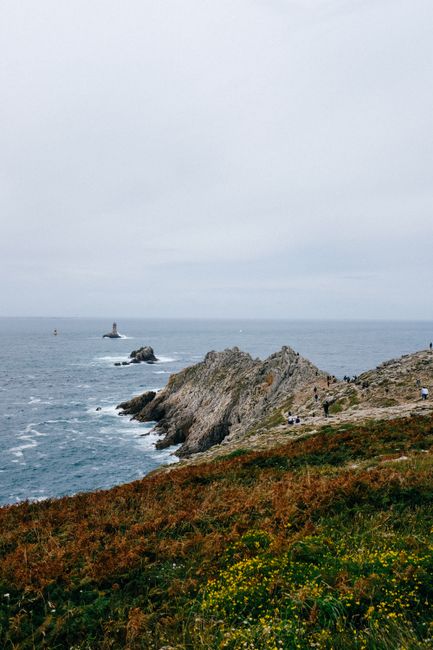
- Wild nature (car recommended): Set off early from Rennes by car for Pointe du Raz (29590 Plogoff): about 3h20 drive, parking often paid €3–6/day. Then explore the Crozon peninsula (Cap de la Chèvre parking, 29160 Telgruc-sur-Mer) and return in the evening to Brest or Quimper.
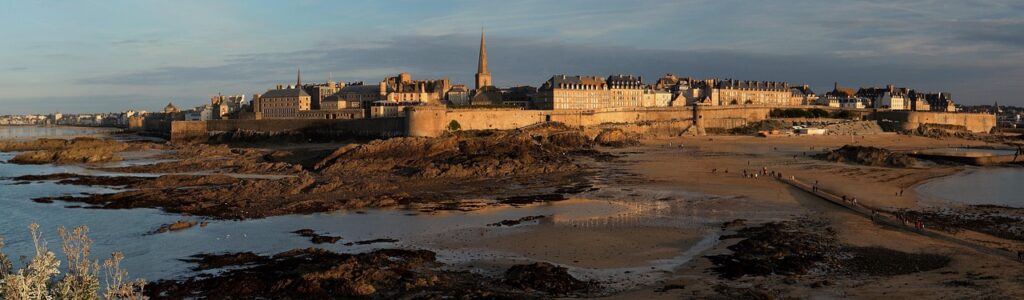
- Beach & gastronomy (mix): Train to Saint-Malo (Gare de Saint-Malo, Pl. de la Gare, 35400 Saint-Malo; TER from Rennes ≈ 1h), wander the corsair city walls (Intra-Muros), enjoy seafood at the harbor (average seafood platter €30–50 per person). The next day rent a car to reach Dinan (15–25 km, 20–30 mins) and explore the Emerald Coast.
Practical tip: for a 2-day weekend the train + station pickup rental is often the sweet spot. You skip the long round-trip drive and get local freedom. Book rentals through official sites (Europcar, Avis, Sixt) and check station office hours (commonly 08:00–19:00 but variable by town).
4) Practical tips, detailed budget and mistakes to avoid
Before you leave, check train and TER timetables (SNCF), seasonal road or parking closures, tidal schedules if you plan coastal activities (high/low tides affect visits to nearby sites such as Mont-Saint-Michel), and the weather forecast. Typical weekend budget (2 people): Paris–Rennes return train tickets 2 x €50 = €100 (varies), 1-day car rental = €45, fuel = €30, parking = €20, meals and activities = €150–200. If you keep the car for the whole weekend, add 2 days rental ≈ €90, fuel ≈ €80–120 depending on route.

Common mistakes to avoid: not checking local bus timetables (last services can finish early), underestimating travel times between villages (winding roads add time), forgetting to reserve parking in summer for coastal towns (some local apps allow pre-booking). Local tip: aim to depart very early on Saturday or late afternoon Friday to dodge congestion on approach routes (A11/A81 to Rennes). Also download an offline map (Google Maps / Maps.me)—it’s invaluable where mobile coverage is patchy.
Conclusion: which choice for your Brittany weekend?
Both train and car bring strong advantages for a weekend in Brittany. The train is ideal for short city-focused trips (Rennes, Quimper, Saint-Malo): it drops you in the center, offers comfort and a lower carbon footprint. It’s perfect if you want to focus on culture, museums (Musée de Bretagne, 2 Rue de la Fosse, 35000 Rennes) and local cuisine without worrying about parking. Conversely, the car is recommended for nature- or coast-focused stays: it gives you route freedom to reach Pointe du Raz (29590 Plogoff), the Crozon peninsula (29160) or remote beaches where public transport is scarce.
Often the smartest plan is a compromise: take the train for a stress-free, time-saving outbound journey, then rent a car at the station to explore locally. That reduces fatigue, cuts total driving time and lets you fully enjoy Brittany’s landscapes. Compare costs (TGV/TER tickets, rental, fuel, parking) and double-check schedules (SNCF, local BreizhGo lines) before booking. Tailor the choice to your travel profile: couples and solo travelers will often favor the train; families or groups with lots of gear will likely prefer a car.
Enjoy your weekend in Brittany: whether you pick the calm of the rails or the freedom of the road, the region will reward you with memorable panoramas, ocean flavors and history-steeped villages. Plan your route, book ahead and leave room for serendipity—often the best memories come from an impromptu turn down a small coastal lane.