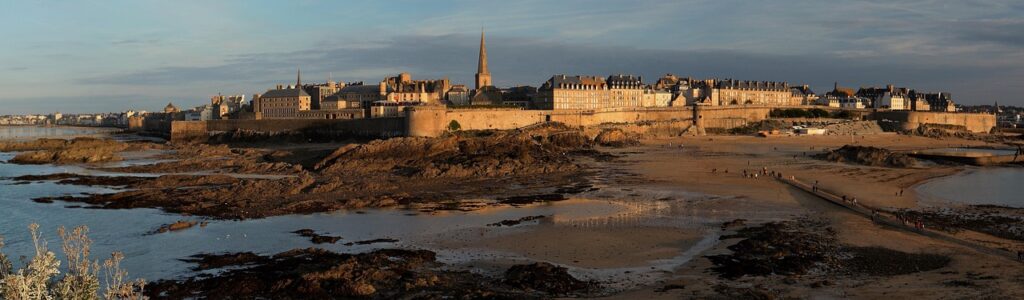






Introduction — Tasting Brittany from Saint-Malo to Quimper
Brittany is a land of deep culinary traditions, where the sea, the land and history combine to create unique specialties. Between Saint-Malo, the corsair city with ramparts rising from the Atlantic, and Quimper, the historic heart of Finistère, a rich gastronomic corridor unfolds: the mysterious oysters of Cancale, steaming galettes served in countless crêperies, caramelized kouign-amann, and hand-harvested Guérande salt. This food trail does more than list dishes: it points you to specific addresses, gives typical prices, opening hours and local tips for an authentic, immersive experience.
Whether you drive along the Emerald Coast or wind through the Breton countryside, every stop invites you to taste age-old know-how. Markets, fishmongers’ stalls, family crêperies and artisan workshops create a living menu where seafood sits alongside salted butter and tender far. Eating in Brittany is often a social moment — sharing a bowl of cider, a plate of galettes with a bolée, or an oyster platter loudly opened on a windy quay.
This guide highlights ten specialties you must try between Saint-Malo and Quimper, and for each one you’ll find a recommended spot (name and address), price ranges, practical opening times, a sensory description and tasting tips. The aim is twofold: to help plan your culinary route and to deepen your appreciation of the products and the people who make them. Whether you’re a seasoned foodie, a curious traveler or simply someone who loves good food, this overview will help you plan delicious stops and meet passionate local artisans and traditions.
We’ve chosen representative places located in emblematic towns and villages: Saint-Malo and its bay, Cancale and its oyster beds, the salt marshes of Guérande, the crêperies of Dinan and Pont-Aven, the sardine cannery near Concarneau, and Quimper with its authentic patisseries. For each specialty you’ll also find practical advice (best time to taste, what to order, how to spot quality) to maximize your culinary pleasure and your sense of Breton terroir.
Keep in mind that Brittany is seasonal: some products like oysters or market offers vary with the year. But traditions — galettes, kouign-amann or andouille — are available year-round. This guide, designed for a gourmet trip between Saint-Malo and Quimper, invites you to lift your eyes from the guidebook and listen to the sea, the fields and the ovens of local artisans. Ready to taste? Scroll down — the ten stops start now.
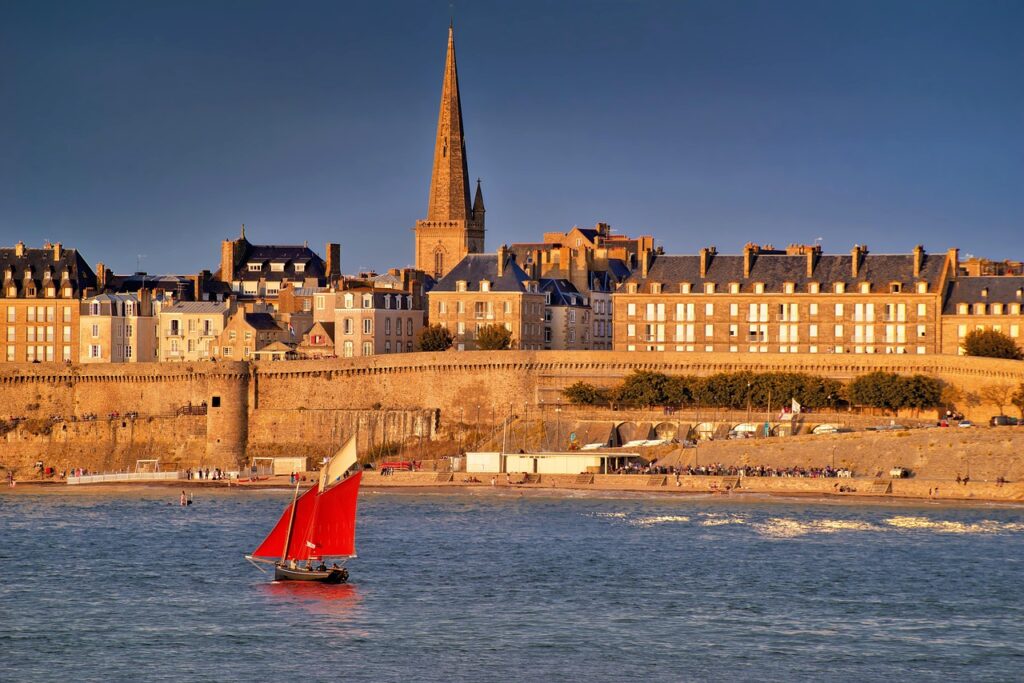
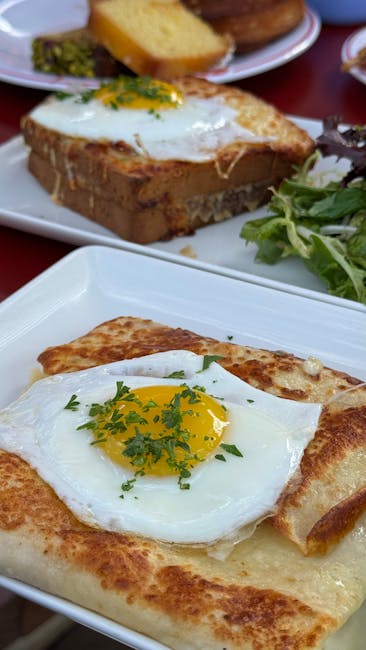
1. Galette Complète — Crêperie La Touline, Saint-Malo
Address: Crêperie La Touline, 18 Rue du Jerzual, 35400 Saint-Malo
Opening hours: Every day 11:30–22:00 (closed Tuesdays off-season)
Price: Galette complète (ham, egg, cheese): €7.50; Daily-flavor galette: €9.50
Description: The galette complète is the emblem of the savoury Breton meal: a thin, crispy buckwheat crepe filled with ham, a runny egg and melting cheese. At Crêperie La Touline, tucked in a cobbled Jerzual alley, the batter follows a family recipe and keeps the slight bitterness characteristic of buckwheat. Cooking on a billig (hot plate) gives slightly crisp edges while the center stays tender. Pair it with a bolée of brut cider to cut through the richness and brighten the flavors.
Local tips: ask for the egg « mi-cuit » (half-cooked) to get that golden thread that bursts over the galette. Avoid peak times (12:30–14:00 and 19:00–20:30) or book ahead. For an iodized twist, try the seaweed and shrimp galette when it’s available.
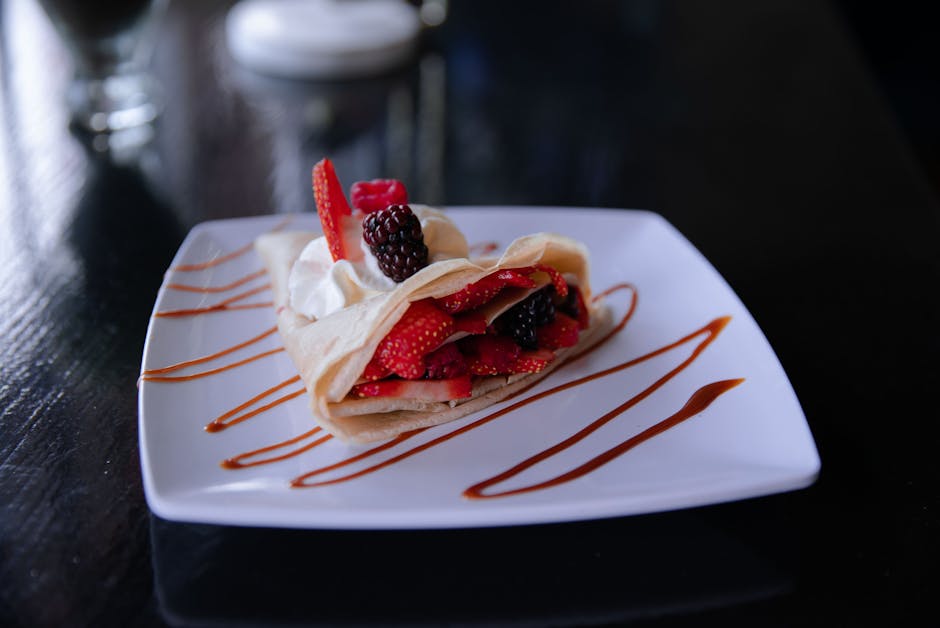
2. Crêpe with Salted Butter Caramel — Crêperie Le Tourne-Brise, Dinard
Address: Crêperie Le Tourne-Brise, 3 Promenade du Clair de Lune, 35800 Dinard
Opening hours: Open every day 10:00–22:30
Price: Salted butter caramel crêpe: €4.20; Gourmet crêpe (with ice cream): €6.50
Description: Salted butter caramel is Brittany’s signature sweet flavor. Here it’s made in-house: caramelized sugar, fresh cream and churned salted butter blended until silky with a slight grain. On a warm crêpe, the contrast between the hot pancake and the molten caramel creates an addictive mix of sweetness and salinity. The balance between sugar and salty notes is key so the butter flavor doesn’t overpower.
Local tips: for a truly local moment, order the crêpe with a scoop of artisan vanilla ice cream and a cloud of whipped cream. The Clair de Lune promenade overlooks the bay — eat outside at low tide for a memorable view.
3. Cancale Oysters — La Maison de l’Huître, Cancale
Address: La Maison de l’Huître, 6 Quai Duguay-Trouin, 35260 Cancale
Opening hours: Open every day 9:00–19:00 (seasonally until 20:00)
Price: Plate of 6 Cancale special oysters: €9–€12 depending on size; Plateau of 24: €30–€45
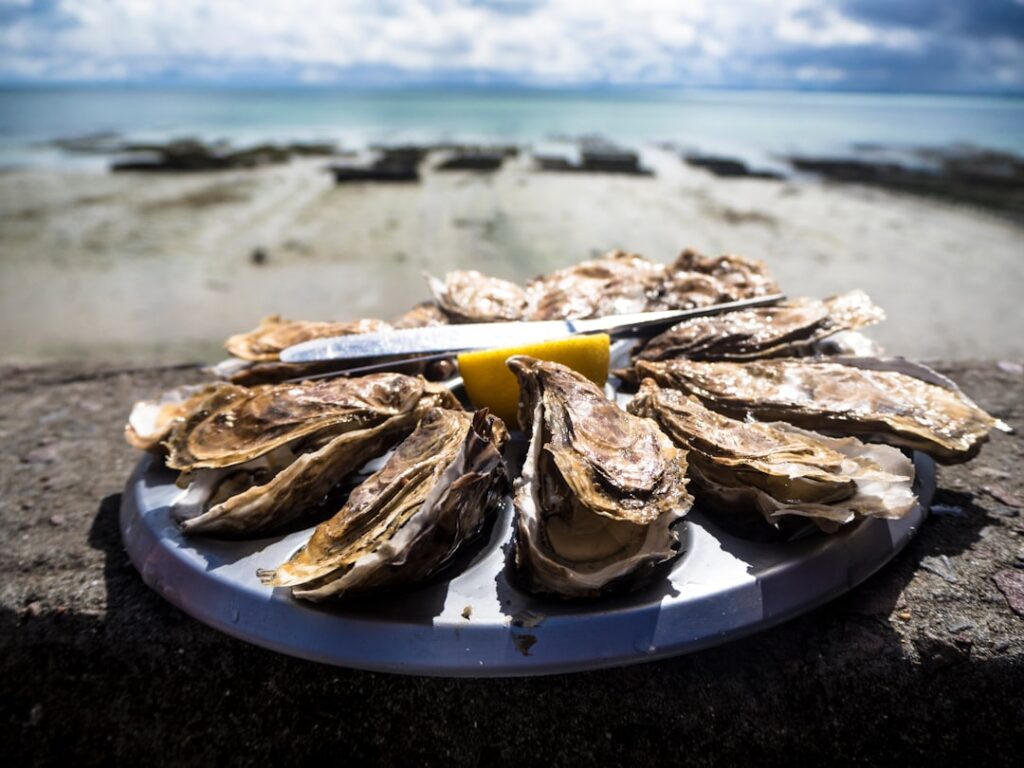
Description: The oyster beds in the bay of Mont-Saint-Michel produce oysters with a marked flavor, blending brininess and mineral notes. La Maison de l’Huître, perched on the harbor, is an iconic stop: oysters are shucked in front of you and served on a bed of ice with a lemon wedge and a house vinaigrette. Cancale’s fine oysters have a firm texture and balanced salinity, perfect to enjoy raw, facing the sea.
Local tips: for the best taste, eat the oysters within hours of the tidal opening of the beds, preferably late morning. Pair them with a bolée of brut cider or a Muscadet if you prefer white wine. Avoid heavy sauces that mask their mineral quality.
4. Guérande Salt / Fleur de Sel — The Salt Marshes, Guérande
Address: The Salt Marshes of Guérande (Visitor Office), Route du Sel, 44350 Guérande
Opening hours: Guided visits: April–October 9:30–17:30 (varies with tides); shop: 9:00–18:00
Price: Guided visit: €9 adult; Fleur de sel harvesting workshop: around €25; 125 g pouch of fleur de sel: €3.50–€6
Description: Guérande salt is hand-harvested in the salt marshes by paludiers. Fleur de sel, delicate, white and fragile, forms on the surface of the salt pans on sunny, windless days: it melts on the tongue and intensifies flavors. The salt marshes create a landscape of white flats and reflective basins, and a guided visit explains the seasonal work of the paludier, traditional tools (louchet, rake) and the rules governing the protected designation.
Local tips: buy plain, unflavored fleur de sel to finish a fish, a galette or roasted vegetables. Don’t cook it — it loses its subtlety. Visit early in the morning to enjoy the light that makes the salt plots glow, and if possible join a workshop to harvest a small portion yourself.

5. Kouign-amann — La Maison Le Tissier, Douarnenez / Quimper
Address: La Maison Le Tissier, 4 Rue de la Providence, 29100 Douarnenez (also sold in Quimper, 12 Rue Kéréon, 29000 Quimper)
Opening hours: Douarnenez: 7:30–19:00 (daily); Quimper: 7:30–18:30 (closed Sunday afternoon)
Price: Individual kouign-amann: €2.80–€3.50; Family (large format): €12–€18
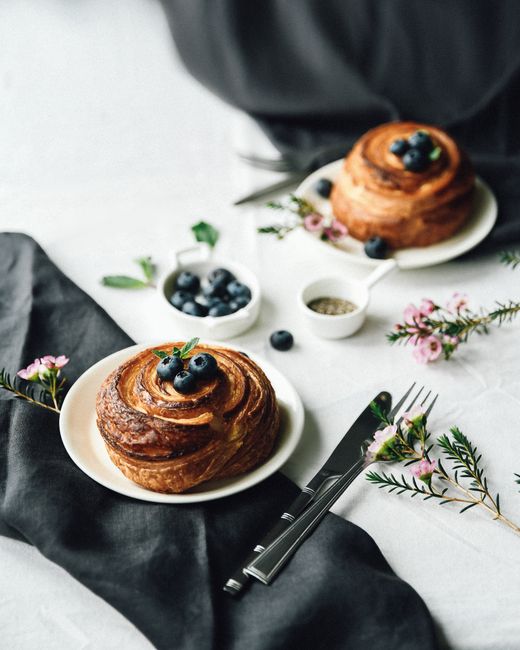
Description: Kouign-amann, literally « butter cake » in Breton, is a caramelized, layered pastry made from a yeasted dough rich in butter and sugar. At La Maison Le Tissier, the dough is laminated several times then baked until a golden crust forms and the crumb becomes almost syrupy. When you bite in you first get the caramelized crunch, followed by a buttery, slightly elastic center. It’s a concentrated dose of butter and care: best enjoyed with a black coffee.
Local tips: slice the kouign-amann thinly and share — it’s very rich. For a modern take, ask for a warm slice: the texture becomes even more yielding. Buy it the same morning you plan to eat it, as it quickly loses its ideal texture.
6. Far Breton — Boulangerie Pâtisserie Le Fournil, Pont-Aven
Address: Boulangerie-Pâtisserie Le Fournil, 8 Rue Gambetta, 29930 Pont-Aven
Opening hours: 7:00–19:00 (closed Monday)
Price: Individual slice of far: €2.50–€3.20; Whole mold (1 kg): €12–€18
Description: Far breton is a thick, dense and generous custard-like cake traditionally studded with prunes. Its texture is similar to a clafoutis but firmer and creamier. At Boulangerie Le Fournil, the far is baked in a large cast-iron mold, with prunes rehydrated in rum for an aromatic hint. On the first bite, the custard reveals a subtle vanilla note, with a contrast between a golden crust and an almost creamy center.
Local tips: try the far still slightly warm with a coffee or a sweet cider. For a contemporary twist, some bakers offer versions without fruit, flavored with Madagascar vanilla or local rum-infused notes.
7. Andouille de Guémené — Charcuterie Maison Kereon, Guémené-sur-Scorff
Address: Charcuterie Maison Kereon, 14 Rue du Général de Gaulle, 56120 Guémené-sur-Scorff
Opening hours: Tuesday–Saturday 8:00–12:30 and 15:00–19:00; Sunday 8:00–12:30
Price: Individual slice (100 g): €3–€5; Whole andouille (price by weight): €18–€35
Description: Andouille de Guémené is a smoked charcuterie made from pork intestines and stomach, rolled and slowly smoked over a wood fire. Its flavor is powerful, slightly smoky, with a firm texture that reveals concentric layers when sliced. At Maison Kereon, production follows tradition: slow smoking, restrained seasoning and carefully-controlled aging. It’s often served grilled with boiled potatoes or salad and can surprise unaccustomed palates with its aromatic depth.
Local tips: taste a cold slice and then a lightly grilled slice to explore the range of flavors. Buy a small piece to take home — it keeps well and releases flavors as it cools. Pair it with a dry cider or an amber beer.
8. Canned Sardines — La Belle-Îloise Cannery, Concarneau
Address: La Belle-Îloise Concarneau, 34 Quai Penfoul, 29900 Concarneau
Opening hours: Shop: 9:00–18:30 (open every day); Workshop visits: by reservation 10:00–16:00
Price: Tin of plain sardines: €3.80–€5.50; Gift set of 4 tins: €12–€20
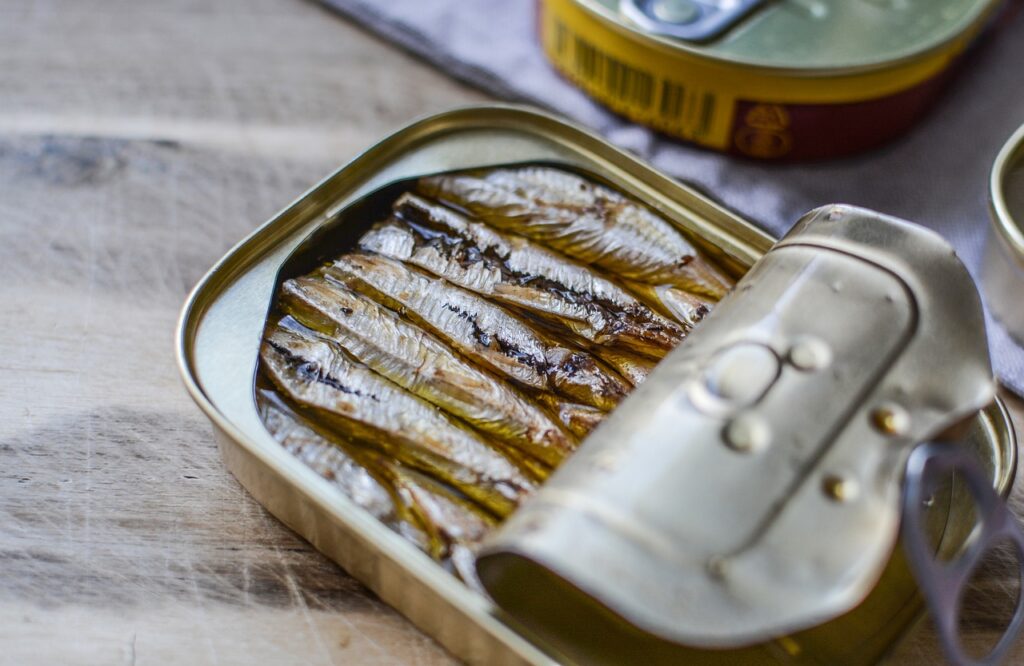
Description: La Belle-Îloise, a Breton cannery, offers carefully prepared canned sardines: selected fillets, gentle steam cooking and packing with olive oil or house tomato sauce. Breton sardines keep a firm, flavorful flesh with a light briny note. When you open the tin you smell the sea and find a tender texture — they’re delicious on toasted bread with a squeeze of lemon.
Local tips: for a quick appetizer, serve them at room temperature with country bread and cornichons. Buy a variety pack (plain, in oil, with Espelette pepper) to explore different flavors. The cannery often runs workshops showing the canning process — book ahead in high season.
9. Palets Bretons and Sablés — Pâtisserie Kerval, Quimper
Address: Pâtisserie Kerval, 21 Rue Kéréon, 29000 Quimper
Opening hours: 7:00–19:00 (closed Sunday afternoon)
Price: Box of 8 palets or sablés: €5.50–€8.50; Tasting pack: €12
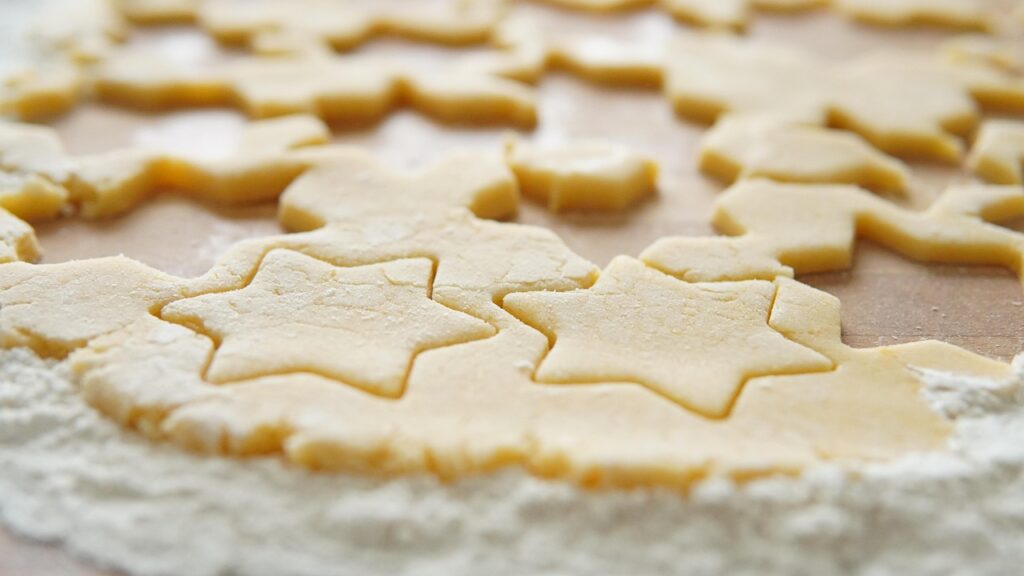
Description: Palets bretons are round, buttery shortbread cookies known for their crumbly texture and pronounced salted-butter taste. At Pâtisserie Kerval, the butter is often local demi-sel churned butter, which gives the signature salty note. Sablés can be flavored with lemon, vanilla or caramel; baking is calibrated to achieve a lightly caramelized surface and a melting interior.
Local tips: store palets in an airtight tin to keep them crisp. They make a perfect gift to bring home and pair well with Breton hot chocolate or a smoky tea. For a local twist, snap one and dip it into a strong coffee.
10. Brut and Artisan Ciders — Cidrerie du Ménez, Plomelin (near Quimper)
Address: Cidrerie du Ménez, 5 Rue du Menez, 29700 Plomelin (near Quimper)
Opening hours: Shop: Tuesday–Saturday 9:00–12:30 and 14:00–18:30; visits & tastings by appointment
Price: Bottle of brut cider (75 cl): €5.50–€8.50; Discovery box (3 bottles): €15–€22
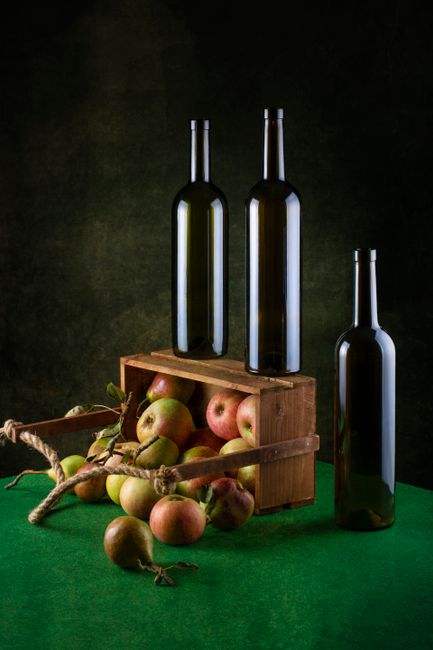
Description: Breton cider is the natural companion to a galette. Brut cider, low in sugar and effervescent, provides a refreshing acidity that cuts through the richness of crepes and charcuterie. At Cidrerie du Ménez, local apples are pressed in small batches, fermented and bottled without excessive sugar addition. Aromatic profiles range from tart green apple to rounder baked-apple notes; some lightly sparkling cuvées recall the finesse of a delicate sparkling wine.
Local tips: taste cider from a bolée (small earthenware or wooden bowl) like the Bretons do, to appreciate the attack and length. If you’re new to cider, start with a demi-sec before moving to brut. Look for bottles labeled « ferme » or « artisanale » for a more terroir-driven expression.
Conclusion — How to plan your foodie route
Between Saint-Malo and Quimper, Brittany offers a festival of textures and tastes: the salinity of Cancale oysters, the elegant bitterness of buckwheat in galettes, the caramelized crunch of kouign-amann and the smoky power of Guémené andouille. This ten-stop itinerary lets you build a trip where every stop tells a story of terroir, craftsmanship and transmission. By timing your visits according to the opening hours listed, you’ll optimize discoveries: early-morning markets for the fish, tasting oysters at the right tide, morning batches for kouign-amann and fresh palets.
Some general tips to make the most of your route: respect seasonality (oysters are best in cooler months), book ahead for popular crêperies in summer, try steamed or raw products to appreciate their raw quality (oysters, canned sardines), and don’t hesitate to chat with artisans — their know-how often comes with anecdotes that enrich the tasting. Think about transport: many products travel well (canned goods, andouille, salt) but prioritize fresh items for immediate enjoyment.
Finally, leave room — physically and mentally — for the unexpected. A small off-the-beaten-path crêperie, a coastal market where a fishmonger hands out a sample, a cider farm that opens its doors: these moments are often the most memorable. This guide gives you a reliable roadmap, but the true riches of Brittany are revealed through encounters, changing weather, and the simple pleasure of sharing a plate by the sea. Enjoy your culinary journey between Saint-Malo and Quimper, and above all, bon appétit!