





Introduction: Why learn Breton while in Brittany?
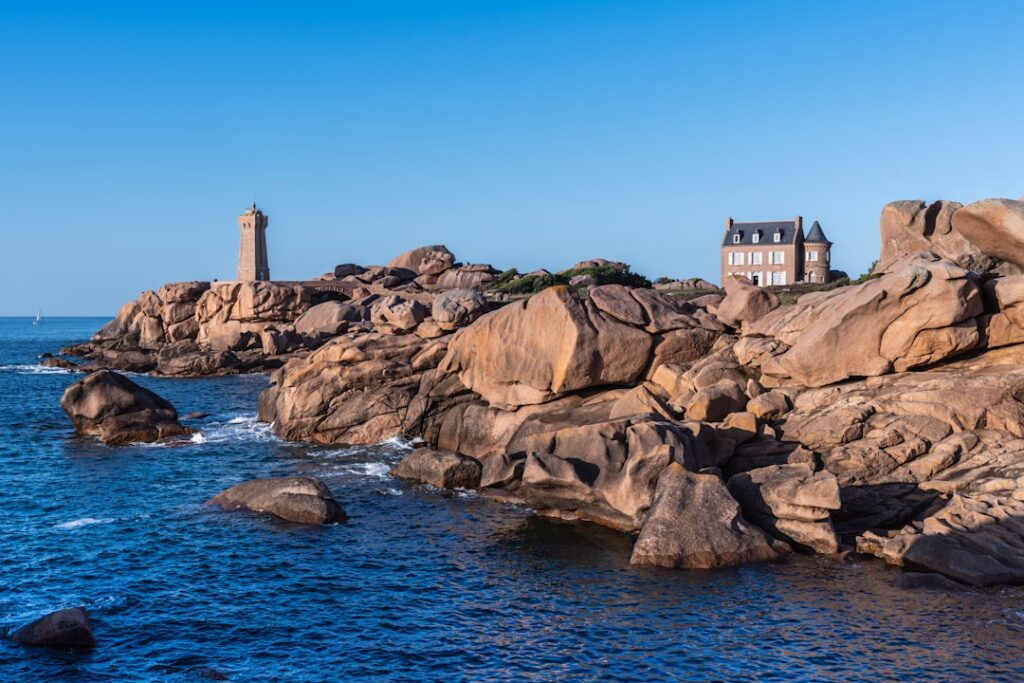
Brittany is more than jagged coasts, festoù-noz nights and galette-sausage stands: it’s a living region where the Breton language — brezhoneg — still echoes in place names, signs, menus and everyday conversations. For the curious traveller, learning a few Breton words and phrases can open the door to more authentic exchanges, warmer welcomes and a deeper understanding of local culture. This guide gives beginners a practical toolkit: essential words and expressions, places to learn on site, tips for use, and routes to practice in real-life situations.
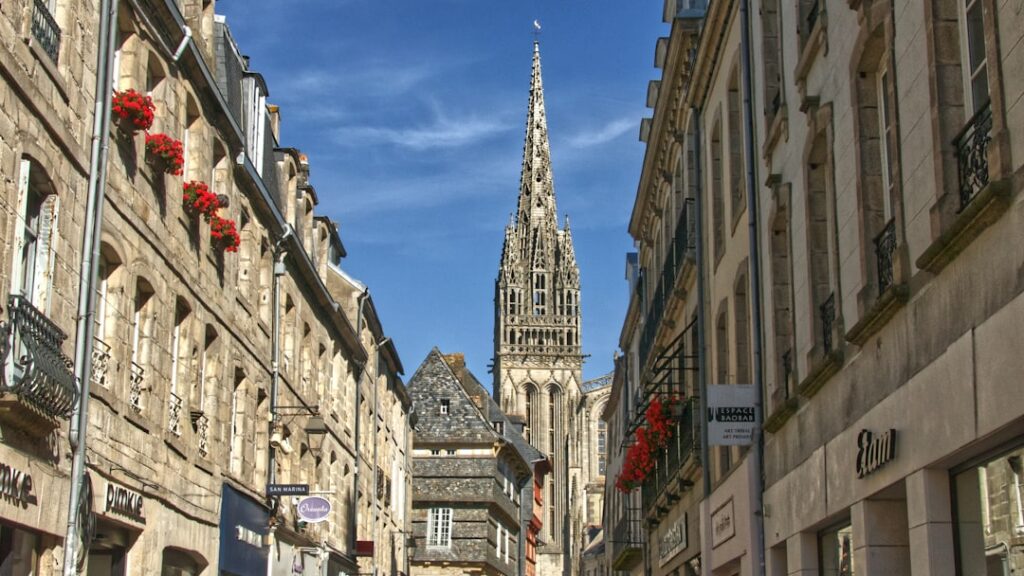
Whether you wander the medieval lanes of Quimper, stroll Saint-Malo’s ramparts, visit Paimpol harbour or browse Lorient’s markets, using a little Breton changes the experience. Saying « demat » (hello) when you enter a crêperie, or « kenavo » (goodbye) when leaving a shop, creates a moment of surprise and connection. This guide also lists concrete places in Brittany where you can join workshops, listen to storytellers or buy bilingual books, with addresses, opening times and indicative prices. You’ll find practical info on: where to learn, what to prioritise, how to pronounce things, and how to avoid cultural missteps.
This document is designed to be used as a pocket handbook: themed sections, vocabulary lists for daily life (restaurants, transport, accommodation), key phrases and tips to make rapid progress. The places mentioned throughout — museums, tourist offices, cultural centres — are real entry points to discover living Breton. Prices and opening hours are indicative and provided to help you plan (for example, workshop fees, museum entrance prices, or the cost of a crêpe in recommended crêperies).
Finally, the approach is practical and respectful: learning a few words is enough to show interest, but don’t try to impose Breton in contexts where French is the administrative norm. Locals appreciate the gesture and may respond in French if you ask. By the end of this guide, you’ll have not only a vocabulary and phrase list but also a set of concrete addresses to practise, listen and immerse yourself.
1) First words and expressions for daily life (greetings, politeness)
Starting with polite formulas makes first exchanges easier. Here’s a list of simple Breton words and expressions you can use as soon as you arrive.
- Demat — Hello. (Approx. pronunciation: de-mat). Use it in the morning or in informal encounters.
- Demat deoc’h — Hello to you (formal/plural).
- Kenavo — Goodbye. (Pronounced ke-na-vo). Very handy when leaving a shop or café.
- Trugarez — Thank you. (Pronounced troo-ga-rez). You can say trugarez vras for « thank you very much. »
- Ma digarez — Excuse me / pardon. (To get someone’s attention or to apologise.)
- Ya / Nann — Yes / No.
- Mar plij — Please. (A very useful variant).
Concrete examples:
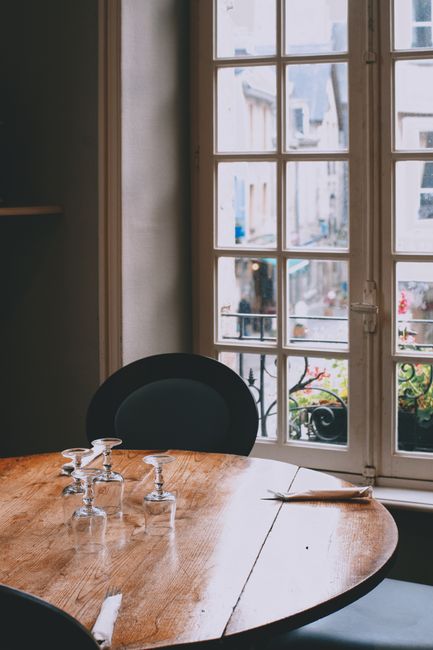
- Entering a crêperie and saying: “Demat! Unhi, ur galette kellek, mar plij.” (Hello! One complete galette, please.)
- Paying and thanking: “Trugarez! Kenavo.”
Where to practise these greetings? Drop by tourist information points: Quimper Tourist Office, 2 Place Terre au Duc, 29000 Quimper — opening hours: Monday to Saturday 9:30–18:00, Sunday 10:00–13:00. Staff often offer bilingual brochures and can point you to Breton workshops. Greeting them with a “demat” will pleasantly surprise the team and may spark a short Breton exchange. Entrance is free and brochures are generally complimentary.
Local tip: use “demat” and “kenavo” at open-air markets like the Saint-Brieuc Market, Place du Général de Gaulle, 22000 Saint-Brieuc — morning market roughly 7:00–13:00 (days vary by season). Stallholders love it when tourists try a few Breton words and some will happily respond with a simple phrase back.
2) Vocabulary for getting around and travelling (transport, accommodation, signs)
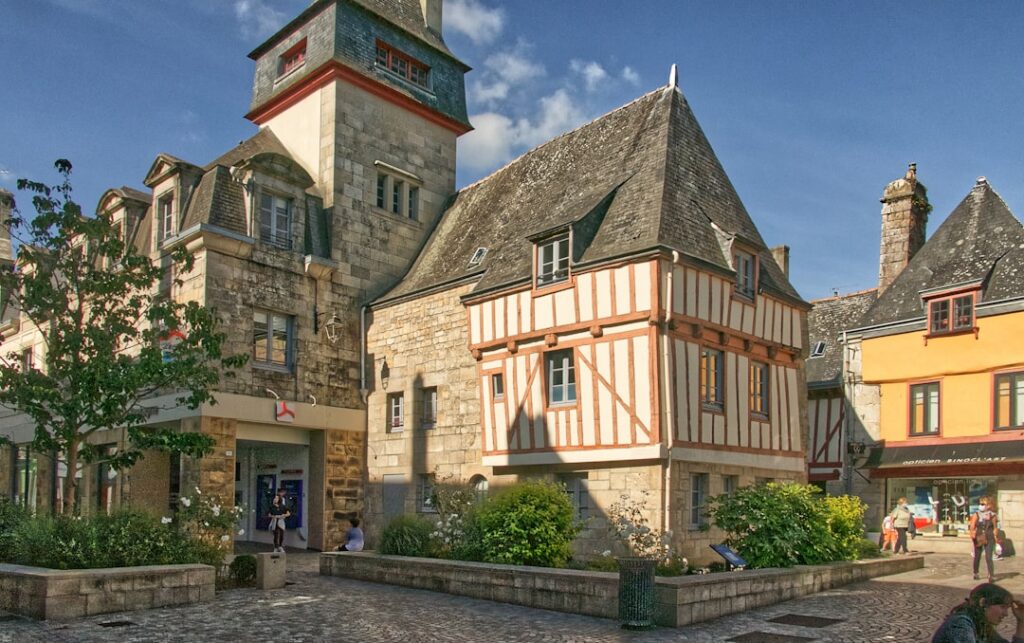
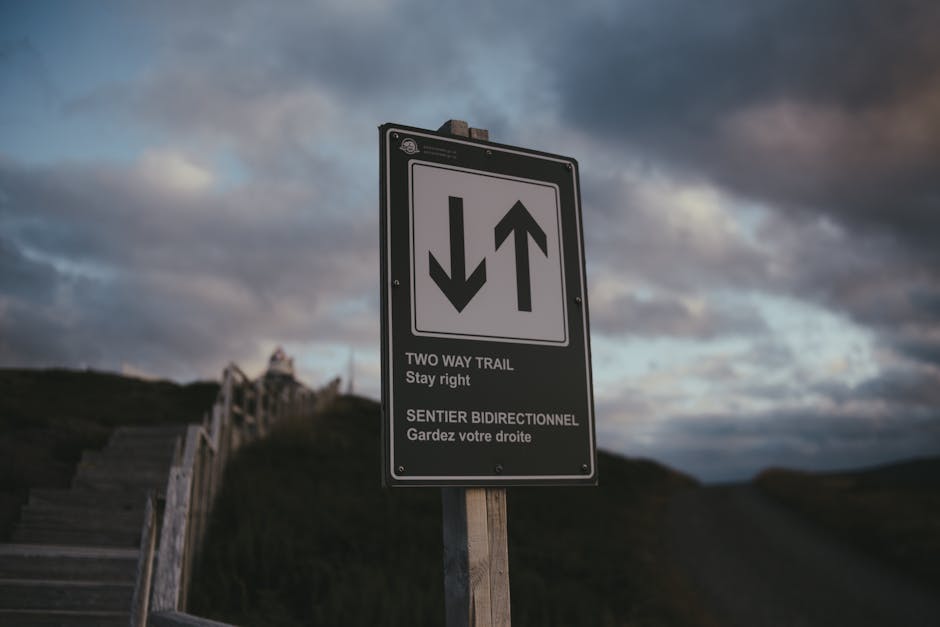
Understanding Breton signs and being able to ask directions is essential for getting around independently. Brittany often displays street and town names bilingually (French/Breton). Here are terms and expressions to know.
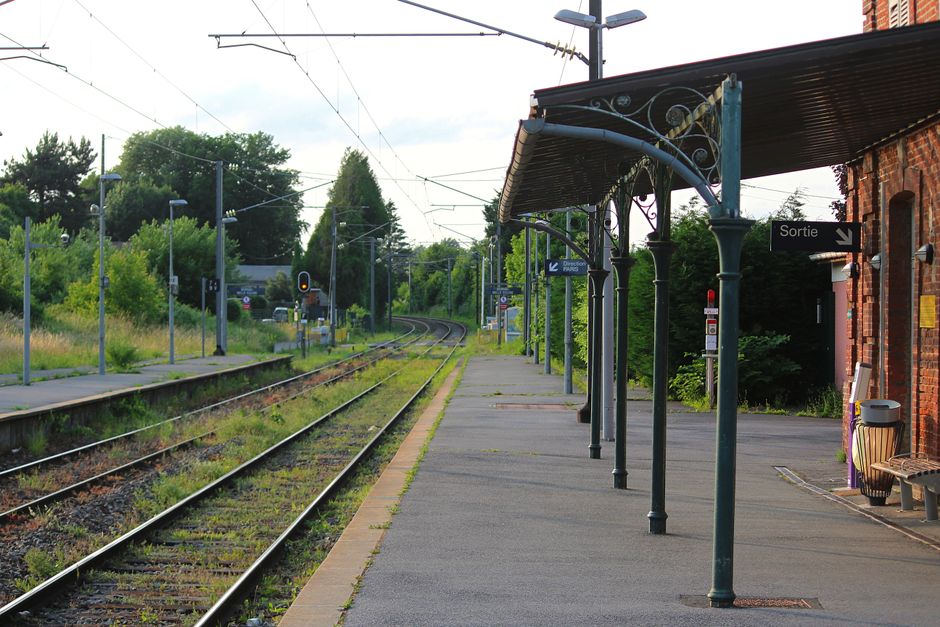
- Gare — Station (same as French but you’ll sometimes see it used in Breton contexts). Example: Gare de Saint-Malo, Place de la Gare, 35400 Saint-Malo. Opening hours: ticket desk 6:30–20:30, regional TER Bretagne trains; check TER fares for Rennes–Saint-Malo: around €6–10 second class.
- Bzh / Breizh — Common abbreviations for Brittany / Breton. You’ll spot “BZH” on stickers and posters.
- Maez — Field / countryside. Useful when asking “where is the countryside.”
- Ker — Town / village (a frequent prefix in many place names: Kerlouan, Kervignac).
- Mor — Sea. For example “Ar mor” = the sea. Look for “Traezh” signs (beach).
- Mont — Mount / hill (e.g. Monts d’Arrée).
Practical phrases:
- « E pelec’h emañ ar gare? » — Where is the station?
- « Pell emañ eus amañ da … » — Is it far from here to … ?
Useful addresses for beginner travellers: Saint-Malo Tourist Office, Place Chateaubriand, 35400 Saint-Malo — open daily in high season 9:00–19:00, off-season 9:30–17:30. They provide free maps and coastal hiking routes where Breton signage is common. A stop at Rennes SNCF station (Place de la Gare, 35000 Rennes) is recommended for connections across Brittany. The ticket desk is open 6:00–21:00; a carnet of tickets or a single TER ticket averages €3–20 depending on distance.
Local tip: when you rent a bike (e.g. Vélo Breizh Location, 12 Quai Duguay-Trouin, 22000 Saint-Brieuc — day rate ~ €12–18), ask to follow routes with Breton signage along the greenways: these often highlight cultural itineraries and place names in both Breton and French. It’s a great way to practise words like « ar c’harr » (the car), « an hent » (the road) and « an hent-gwenn » (the greenway).
3) Eating in Breton: crêperies, menus and culinary phrases
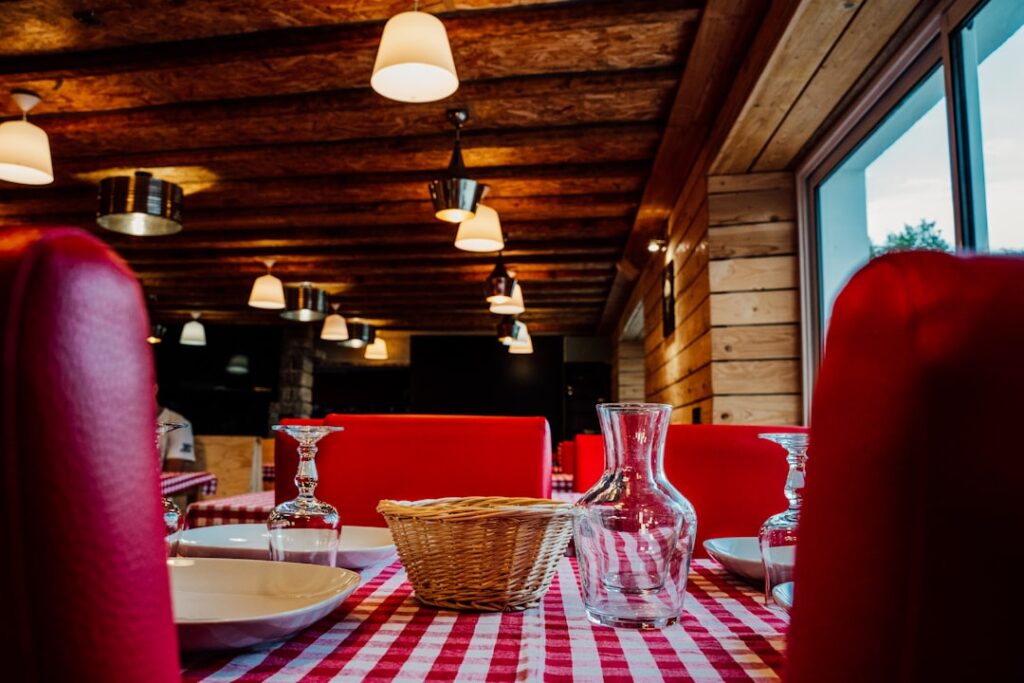
Food is one of the best places to practise Breton. Crêperies and markets often display Breton words, and a few phrases will help you order. Here’s useful vocabulary and concrete addresses where you can try your Breton at the table.
- Galette — Savoury crêpe (buckwheat). Example phrase: « Un nebeut galette ledan, mar plij. » (One complete galette, please.)
- Skol — School / could be a false friend; better to ask. For food, prefer « boued » = food.
- Boutailh — Bottle. Handy for water or cider.
Recommended places:
- Crêperie La Bigoudène, 14 Rue Jean Jaurès, 29120 Pont-l’Abbé — specialties: buckwheat galettes from the Bay of Audierne. Opening hours: 12:00–14:00 and 19:00–22:00, closed Tuesdays. Prices: galettes €7–13, menus €15–25.
- Crêperie Le Pommier, 2 Rue Saint-Michel, 35500 Vitré — artisanal galettes and local ciders. Opening hours: 11:30–14:30 and 18:30–22:00. Average prices: €6–12 per galette, €3–6 per bolée of cider.
- Marché couvert des Lices, Place des Lices, 35000 Rennes — Saturday market 7:00–13:30: cheese, bread and Breton speciality stalls. Free entry, tastings priced by the producer (€2–10).
Phrases to order:
- « Mammenn, un galette gouezet ‘m eus, mar plij » — Madam/Sir, one complete galette, please.
- « Bez’ ez eus souezhet on : ur bolen c’hidoud ? » — Do you have a vegetarian option? (Useful to practise, though staff may reply in French.)
Local tips:
- Learning « Bolenn » = bolée (of cider) can lead to great conversations about artisanal cider. Many crêperies serve bolées for €3–6.
- If you visit Quimper, stop at Crêperie Ti Breiz, 8 Rue Kéréon, 29000 Quimper — hours 12:00–14:30 and 19:00–22:00; prices €7–14. The owners often speak English, French and sometimes a few words of Breton.
4) Where to learn and practise Breton in Brittany: schools, workshops, events
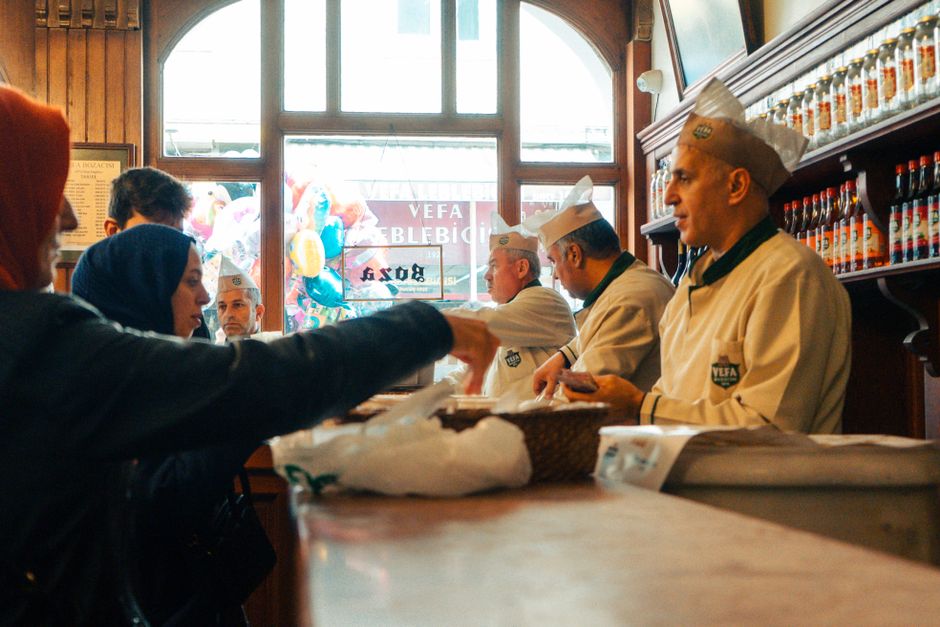
If you want to go beyond greetings and learn Breton in a structured way, Brittany offers several options: intensive courses, evening workshops, language cafés and festoù-noz (dance nights where the language and Breton music take centre stage). Here are concrete places, addresses, opening times and usual fees.
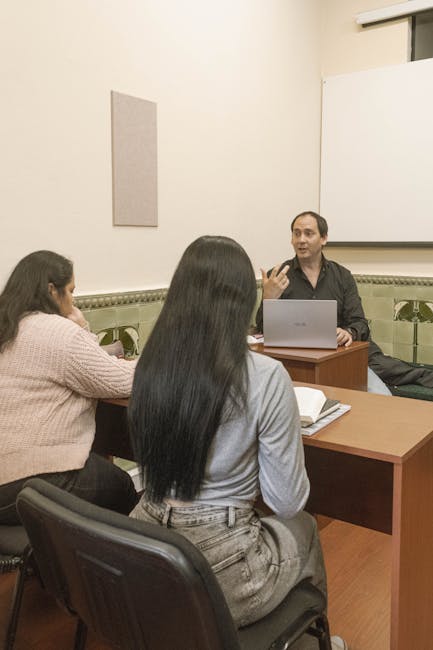
- Skol Uhel ar Vro / Local Breton school — Skol Uhel, 5 Rue Jean Macé, 29000 Quimper. Weekly classes: Monday and Thursday 18:30–20:30. Fee: around €120 per term for beginners (varies by year). Contact: booking recommended by phone or via the local website.
- Public Office for the Breton Language — Sessions and documentation — Maison de la Culture, 12 Rue du Château, 35000 Rennes. Opening hours: office 9:00–17:30, Monday to Friday. Fees: occasional workshops €10–25 per session; intensive workshops €150–300 for a 5-day module.
- Breton cafés and language meet-ups — Café Breizh, 9 Place du Parlement, 35000 Rennes. Language night: Thursdays 19:30–21:30. Participation: €3–8 (drinks not included). Exact address: Café Breizh, 9 Place du Parlement de Bretagne, 35000 Rennes.
Cultural events:
- Festoù-Noz — In many towns (e.g. Fougères, cultural centre, Place Charles de Gaulle, 35300 Fougères), these evenings blend traditional music and Breton songs. Entry: €5–12 depending on the event. Hours: usually 21:00–02:00.
- Interceltic Festival of Lorient — Parc des expositions, Avenue du Gal de Gaulle, 56100 Lorient. Dates: late July each year. Ticketing varies: concerts €10–60 depending on the stage. It’s one of the best places to hear Breton spoken and sung.
Practical tips for learning:
- Join conversation workshops: they’re inexpensive and focus on speaking. Look for signs advertising « Kafe brezhoneg » (Breton café) at tourist offices.
- Listen to local radio that broadcasts in Breton: some regional stations offer Breton slots (check their websites for exact schedules; programmes often air in the morning or evening).
- Plan time to listen to storytellers in museums and libraries: the Brest Municipal Library, 11 Rue Jean Jaurès, 29200 Brest, sometimes runs children’s readings in Breton. Opening hours: 10:00–18:00, closed Sunday. Free entry; workshops priced €5–12.
Tip: sign up for a half-day workshop at a cultural centre for a reasonable price (€15–40): a short immersion will give you automatic responses (greeting, ordering, asking simple questions) before you continue practising on your own in the field.
Conclusion: Weaving Breton into your trip — final tips and resources
Learning a few Breton words is a respectful gesture and often much appreciated by the people of Brittany. This guide has given you immediate tools for daily life — greetings, directional questions, food vocabulary — as well as concrete addresses (crêperies, tourist offices, schools and events) where you can practise. Remember that the goal isn’t perfection but the attention you pay to the local language: a sincere « demat » often opens more doors than a long perfectly pronounced speech.
To make lasting progress, combine on-the-ground experimentation (markets, crêperies, language cafés) with more structured resources (weekly classes, intensive workshops, apps and bilingual books). The tourist offices mentioned in this guide (Quimper, Rennes, Saint-Malo) usually carry Breton/French brochures and information about local events: check with them on arrival for up-to-date opening hours and current prices.
Final practical tips:
- Don’t expect to always be understood in Breton: many speakers are bilingual and will reply in French if needed.
- Stick to short, confident phrases (demat, trugarez, kenavo) rather than attempting complex lines you don’t master.
- Attend a fest-noz or a local festival (e.g. Interceltic Festival of Lorient) to hear the language in a musical, joyful setting — a guaranteed immersive experience.
- Carry a small pocket notebook with your favourite words and expressions and jot down regional variants you hear; Breton varies by dialect across Vannetais, Léonard and Cornouaillais areas.
Finally, if you want to go further after your trip, look into local schools and associations (Skolioù, Kendalc’h) mentioned above for regular classes. Even half a day of study per week, paired with real-life practice (restaurants, markets, libraries), can get you to a basic conversational level within a few months. Brittany is a welcoming land: show interest, be curious and respectful, and you’ll find that the Breton language is often the start of a wonderful cultural adventure.