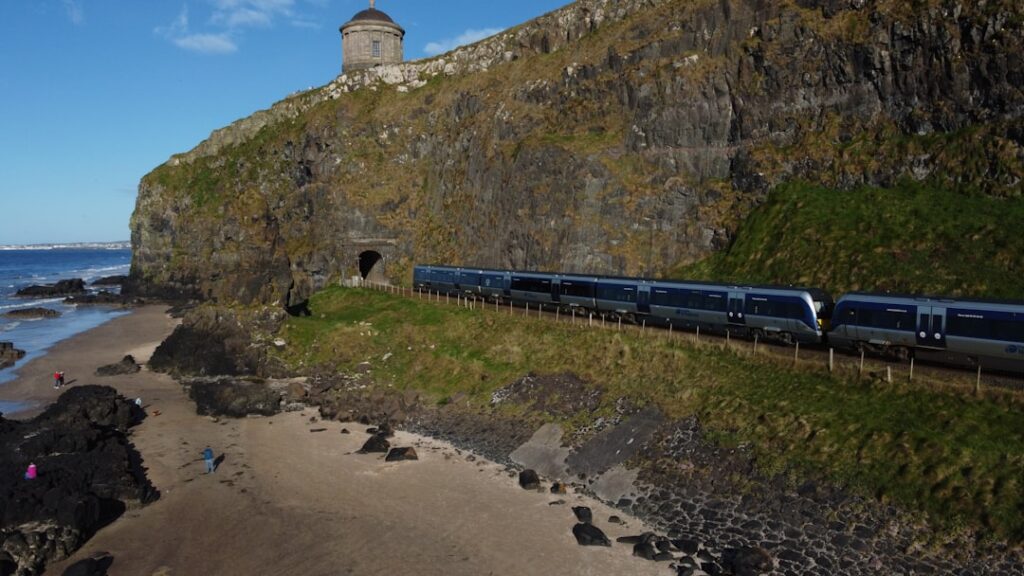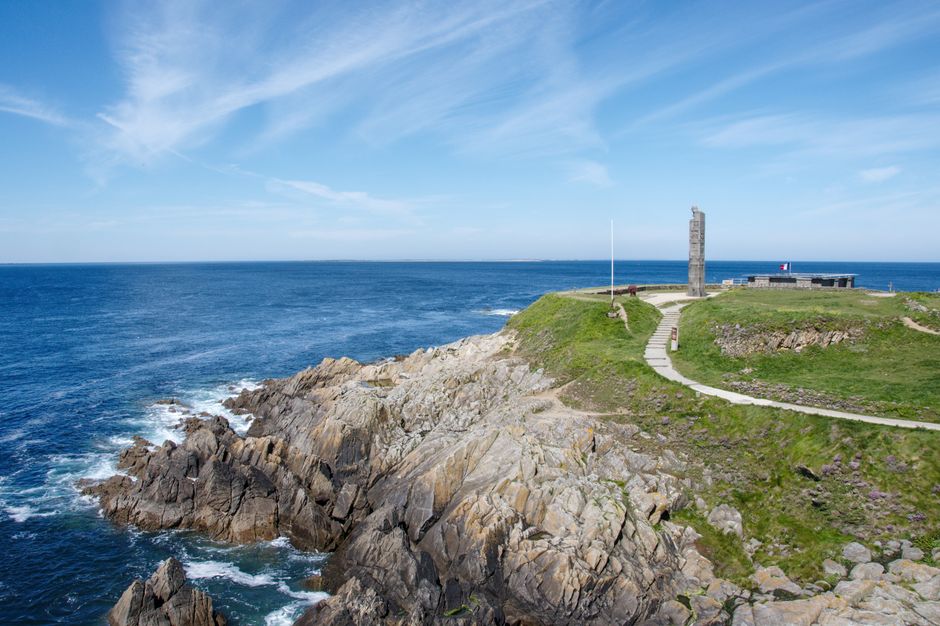






Introduction: Why Explore Brittany’s Coast by Train
Brittany, a quintessential maritime region, boasts a varied coastline of rugged cliffs, sandy beaches, charming ports and mysterious islands. Traveling by train is one of the best ways to experience the Breton coast if you want comfort, eco-friendly travel and a local feel. TER Bretagne regional lines and some TGV services link major cities with coastal towns, while seasonal shuttle services like the Auray–Quiberon line open up unique ways to explore the peninsula without a car. The rail network gives access to dramatic seaside views from stations right in historic town centers: Gare de Saint-Malo, Gare de Brest, Gare de Quimper, Gare de Vannes, Gare d’Auray, Gare de Lorient, and many more.
Taking the train in Brittany also means regular schedules, reasonable fares on TER services and sometimes great TGV deals if you book early. Most main stations provide clear information and amenities: shops, luggage lockers, bike rental and bus connections to coastal spots not served directly by rail. Coastal routes mix urban frequency (Rennes–Saint-Malo), intercity links (Rennes–Brest) and seasonal services (Auray–Quiberon in summer), letting you improvise your itinerary: a morning in Dinard, an afternoon on Ploumanac’h beach, and a gourmet evening in Concarneau.
This detailed guide presents the must-ride lines to explore Brittany’s coast by train, with exact station addresses, sample fares in euros, typical timetables, vivid ride descriptions and practical tips. You’ll find suggestions to streamline transfers, where to buy tickets (station counters, ticket machines, SNCF Connect app), and how to combine train, bike and boat. Travelers seeking authenticity will also love small rural stations and coastal panoramas within a short walk of the tracks — for example, the coastal path (GR34) is often easily reachable from nearby stations.
Before you board, consider the season: services ramp up in summer (July–August) with extra trains, particularly on the Auray–Quiberon line, and special fares may apply. Finally, pick up local habits: validate your ticket before boarding when there’s no conductor, respect boarding times especially for tight connections, and check real-time schedules via the SNCF Connect app or station departure boards. This guide will walk you station by station, line by line, so every journey becomes a memorable coastal excursion.
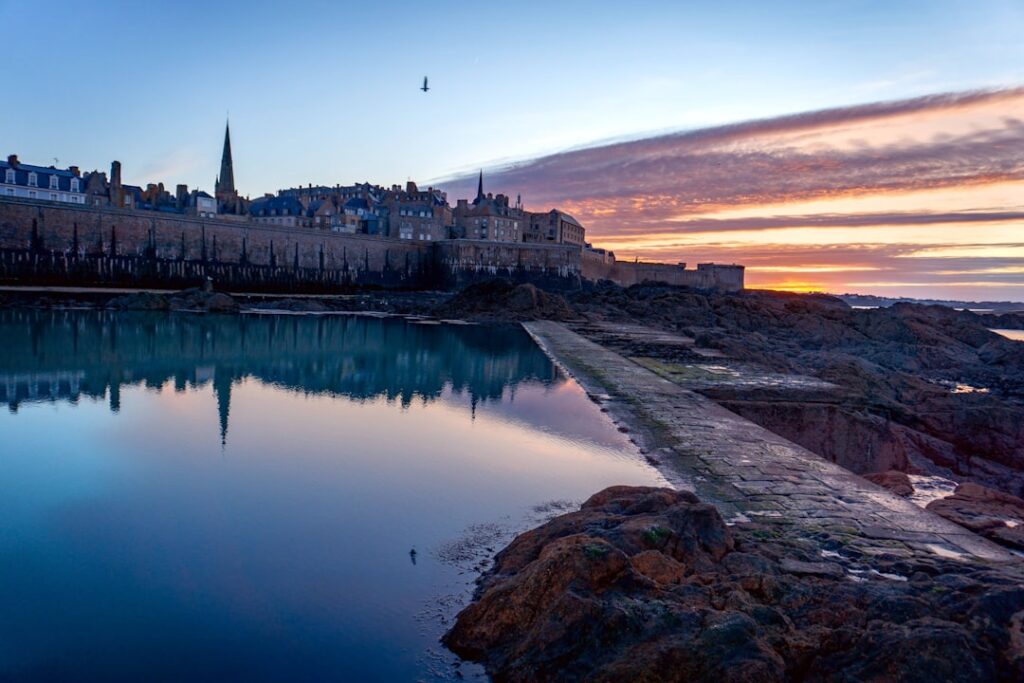
1) Rennes – Saint-Malo: The Gateway to the Emerald Coast
The Rennes–Saint-Malo line is one of the most used routes to reach the Emerald Coast peninsula. Main departure: Gare de Rennes (Place de la Gare, 35000 Rennes). Arrival: Gare de Saint-Malo (Place de la Gare, 35400 Saint-Malo). Distance: about 70 km, typical journey time: 1h00 to 1h20 depending on stops. Frequency: TER Bretagne trains roughly every 30 to 60 minutes during the day. Typical schedule: the first weekday train often around 05:50 from Rennes, last train around 22:30; service increases on weekends and in summer — check exact times on SNCF Connect.
Fares: typical one-way adult fare on TER between Rennes and Saint-Malo: around €8–€12 (standard fare). Cards and discounts: Carte Jeune, Carte Senior, or Prem’s deals for TGV on other routes. Tickets can be bought at the station (Rennes station ticket office — Place de la Gare, 35000 Rennes), at machines, or on the SNCF Connect app.
Vivid description: the ride passes through the rolling countryside of Ille-et-Vilaine, and the bay gradually appears as you approach Saint-Malo. On arrival, the station is less than a 10-minute walk from the ramparts — perfect for a stroll along the fortifications and a swim at Plage du Sillon. Nearby: the Saint-Malo Tourist Office (2 Rue de la Vieille Bourse, 35400 Saint-Malo — typically open 9:30–18:00 in high season). For a tasty stop, sample galettes and seafood in the restaurants inside the walled city.
Local tips: buy a return ticket if you plan to come back the same day; bring a windproof jacket even in summer—the ramparts can be windy; if you have a bike, check TER bike carriage rules (limited spaces). To extend your trip, take the local bus from the station to Dinard (BreizhGo shuttle) or walk part of the Sentier des Douaniers (GR34) along the bay.
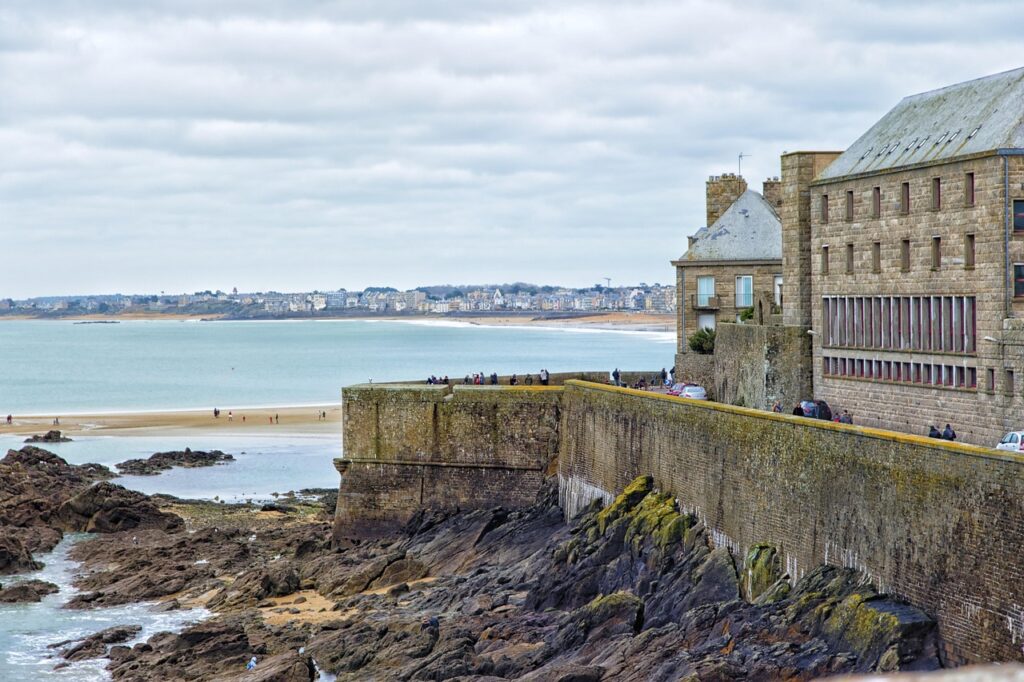
2) Rennes – Brest via Saint-Brieuc and Morlaix: The Great Northern Coast Traverse
The Rennes–Brest line crosses the Côtes-d’Armor and Finistère departments, offering varied scenery from bocage to coastline. Main departure: Gare de Rennes (Place de la Gare, 35000 Rennes). Major stops on the route include Gare de Saint-Brieuc (1 Place de la Gare, 22000 Saint-Brieuc), Gare de Morlaix (Place de la Gare, 29600 Morlaix), and Gare de Brest (Place de la Gare, 29200 Brest). Journey time: about 2h30 to 3h00 from Rennes to Brest depending on stops. Frequency: multiple TER trains and a few TGVs depending on season; plan ahead as some TGVs connect Paris to Brest with a stop at Rennes.
Fares: Rennes → Brest by TER typically costs around €20–€35 depending on time and how far in advance you book; TGV Paris → Brest fares vary from about €30 to €80+ depending on period and reservations. Typical schedule windows: morning departures 06:00–09:00, evening returns 17:00–21:00; daily service. Station ticket offices (e.g. Gare de Brest, Place de la Gare, 29200 Brest — usually open 06:00–22:00 depending on services) sell tickets and advise on local connections.
Vivid description: between Saint-Brieuc and Morlaix, the landscape opens onto the Bay of Saint-Brieuc with expansive tidal flats — a stunning sight at low tide. Recommended stop: Plouaret-Trégor station (Place de la Gare, 22310 Plouaret) to access cliffs and coastal coves. Morlaix is a cultural highlight with its impressive viaduct and medieval lanes. Approaching Brest, the line moves through a more industrial and port-oriented landscape, a prelude to the Finistère peninsula.
Practical tips: if you want to visit Ploumanac’h and the Pink Granite Coast, get off at Lannion station (Route de la Gare, 22300 Lannion) and take a local bus or taxi. Pack sturdy shoes for coastal paths and check tide timetables for exploring beaches. If cycling between coastal towns, reserve bike spots on TGVs early, as capacity is limited.

3) Auray – Quiberon: The Iconic Summer Shuttle to the Peninsula
Auray–Quiberon line (Golfe shuttle): a true Breton institution, this “summer-only” train runs mainly from late June to early September. Departure: Gare d’Auray (Place Pierre le Bigaut, 56400 Auray). Arrival: Gare de Quiberon (Boulevard de Kerhostin, 56170 Quiberon) located at the entrance to the peninsula. Duration: about 30 minutes. Frequency: extra trains every 30 to 60 minutes during daytime in high season (July–August). Typical schedule: first services around 06:30–07:00, last services often near 23:00 in summer; exact times are published annually by TER Bretagne.
Fares: single adult fare roughly €6.50 (indicative 2024–2025 rate); reduced fares for children and school groups. Tickets available at Auray station (Place Pierre le Bigaut, 56400 Auray), at machines or on the SNCF Connect app. Note this line is often very busy: buy tickets in advance and arrive 15–20 minutes before departure during peak season.
Vivid description: the route skirts the Gulf of Morbihan with beautiful sea glimpses, rocky headlands and salt marshes. In Quiberon you arrive on a windswept peninsula known for its wild coast and popular coves. The waterfront in Quiberon offers seaside walks, seafood restaurants and access to trails to Port-Maria or the Côte Sauvage beach. Quiberon is also a convenient departure point for Belle-Île-en-Mer via the local ferry operator (Compagnie Océane, Port de Quiberon — check schedules and fares).
Local tips: get there early to enjoy secluded coves before the crowds, bring sun protection and water as services can be limited outside the town center. If you travel with a bike, note limited storage on board; bike rental is available at Quiberon station (Quiberon Tourist Office, 14 Avenue du Prof Charles Nicolle, 56170 Quiberon — seasonal hours 9:00–18:00). Combine train + boat for a day trip to Belle-Île (ferry tickets roughly €16–€25 depending on season and time).
4) Lorient – Quimper – Pointe du Raz: The Southwest Axis and Its Maritime Stops
The Lorient–Quimper link gives access to the southwest of Finistère and its wild landscapes. Main stations: Gare de Lorient (Place du Général Leclerc, 56100 Lorient) and Gare de Quimper (9 Boulevard Jean Moulin, 29000 Quimper). Duration: about 1h10 to 1h45 depending on connections. Frequency: several TER services daily, with peaks in the morning and late afternoon. Fares: Lorient → Quimper by TER typically around €10–€20 depending on time and how early you book. Typical timetable: first trains around 05:30–06:00, last around 22:00; check SNCF Connect for exact times.
Vivid description: the journey crosses coastal and woodland areas. Quimper, famous for its Saint-Corentin Cathedral (Place Saint-Corentin, 29000 Quimper) and medieval streets, is an ideal base to reach Pointe du Raz (Pen Hir) by bus or rental car. From Quimper, BreizhGo buses serve the coast to Audierne and Pointe du Raz (more frequent in summer). Pointe du Raz (Pointe du Raz, 29770 Plogoff) offers dramatic cliffs, hiking trails and sweeping sea views — accessible by shuttle/bus from Quimper (regional seasonal shuttle fares roughly €5–€10).
Practical tips: for a day trip to Pointe du Raz, leave early from Lorient or Quimper; wear sturdy shoes and warm, waterproof clothing — weather can change quickly. While in Quimper, visit the local markets (Place Terre-au-Duc, market hours 08:00–13:00 depending on the day) and try traditional crêpes. If you want to combine an island visit, consider crossing to Île de Groix from Lorient (Port de Lorient — local operators, fares roughly €10–€20). Also check car rental availability at Quimper station if you plan to reach areas not well served by public transport.

Conclusion: Plan Well to Make the Most of It
Brittany’s coast is perfectly suited to train travel: stations are often right in town centers, routes are scenic and seasonal services let you get around without a car. This guide covered standout lines — Rennes–Saint-Malo for the Emerald Coast, Rennes–Brest via Saint-Brieuc and Morlaix for the northern shore, Auray–Quiberon for the iconic peninsula shuttle, and Lorient–Quimper to reach the Finistère south and Pointe du Raz — including precise addresses, sample fares, typical schedules and practical tips. These details will help you plan stops, arrange connections and make the most of your time on site.
Before you travel, always check official timetables and any changes on the SNCF Connect app or at station ticket desks (e.g. Gare de Rennes, Place de la Gare, 35000 Rennes; Gare de Brest, Place de la Gare, 29200 Brest; Gare d’Auray, Place Pierre le Bigaut, 56400 Auray). Keep seasonality in mind: the Auray–Quiberon line and some island services are highly seasonal. Slow travelers should favor TER services and combine them with GR34 hikes, bike rides or ferry crossings for a complete experience.
Finally, follow local practical habits: buy tickets in advance during peak season, respect bike and baggage rules, use tourist offices for bus timetables to isolated sites, and always carry some cash (some small shops may not accept cards). With these tips, your train journeys along the Breton coast will be as memorable as the destinations themselves.