





Introduction — Why explore Brittany by train, car, ferry and bike
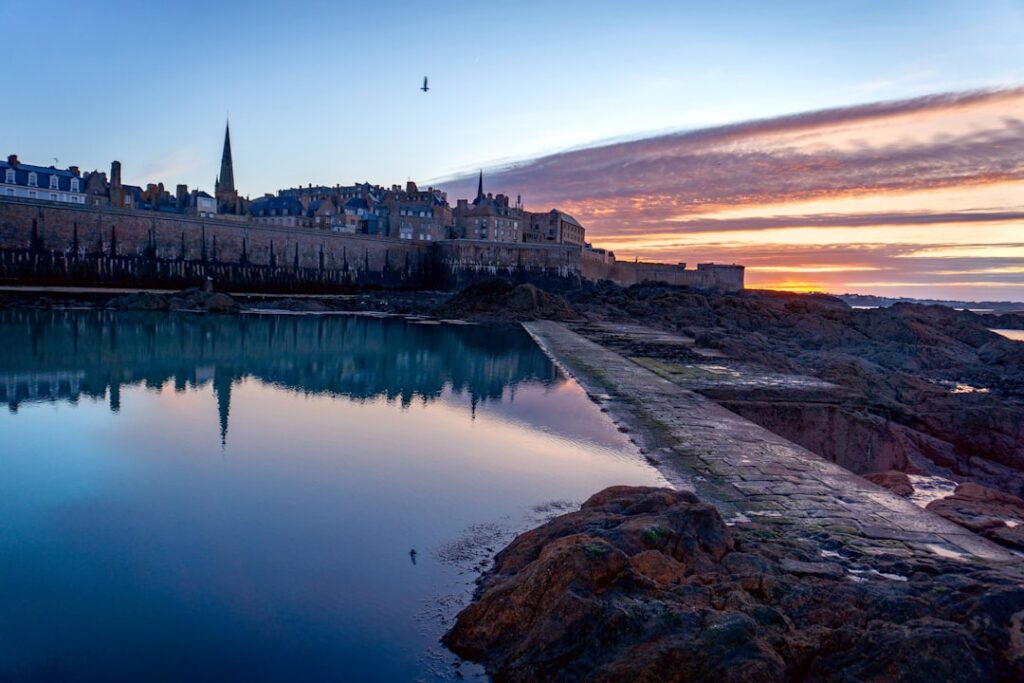
Brittany, with its jagged coastline, wild moors, busy harbors and historic towns, is perfect for a multi-modal adventure. Between rail lines, scenic roads, maritime crossings and cycle paths, each way of getting around reveals a different side of the region: trains offer speed, comfort and direct access to historic town centers; cars give you freedom and reach to remote spots like Pointe du Raz; ferries turn crossings into maritime and culinary experiences; and bikes provide a slow, sensory immersion along the coast and greenways. This complete guide walks you step by step through planning a trip to Brittany combining train, car, ferry and bike, with exact addresses, example timetables, indicative prices in euros, local tips and practical recommendations.
Whether you arrive on the TGV at Rennes station (Place de la Gare, 35000 Rennes) or roll off a ferry at the port of Roscoff (Port de Roscoff, 29680 Roscoff), you’ll find complementary transport options to reach iconic sites: Saint-Malo, Dinan, the Pink Granite Coast, the Quiberon peninsula, Vannes, Lorient, Le Croisic, and the islands (Belle-Île-en-Mer, Île-de-Bréhat, Ouessant). Distances in Brittany are often short, but winding roads and the terrain can make journeys longer — another good reason to mix the comfort of trains with the freedom of driving or cycling.
This guide covers: the main stations and useful lines (addresses and typical schedules), car rental providers and handy gas stations (addresses, price ranges, fuel tips), ferry terminals with services and indicative fares, plus bike rental options and routes (regular bikes and e-bikes, prices and touring tips). You’ll also find recommendations for accommodation and parking (motorhome areas, car parks, average prices), advice on planning routes by season, and local insider tips — where to get the best kouign-amann, which campsite is family-friendly, or which coastal path to avoid at high tide.
Finally, practical points are included: how to book TER and TGV tickets, which bike passes to favor, how to read ferry timetables, traffic rules on peninsulas, and how to combine transport to cut carbon footprint without missing out on experiences. Whether you’ve got a day, a long weekend or two weeks, the chapters that follow give exact itineraries, useful addresses (stations, car parks, rental agencies, tourist offices), prices in euros and typical schedules so you can build your Brittany itinerary with confidence.
1) Traveling by train — stations, lines, fares and practical tips
Train is often the best first step to reach Brittany without the hassle of driving: TGV and TER services connect the main towns. Main stations to know:
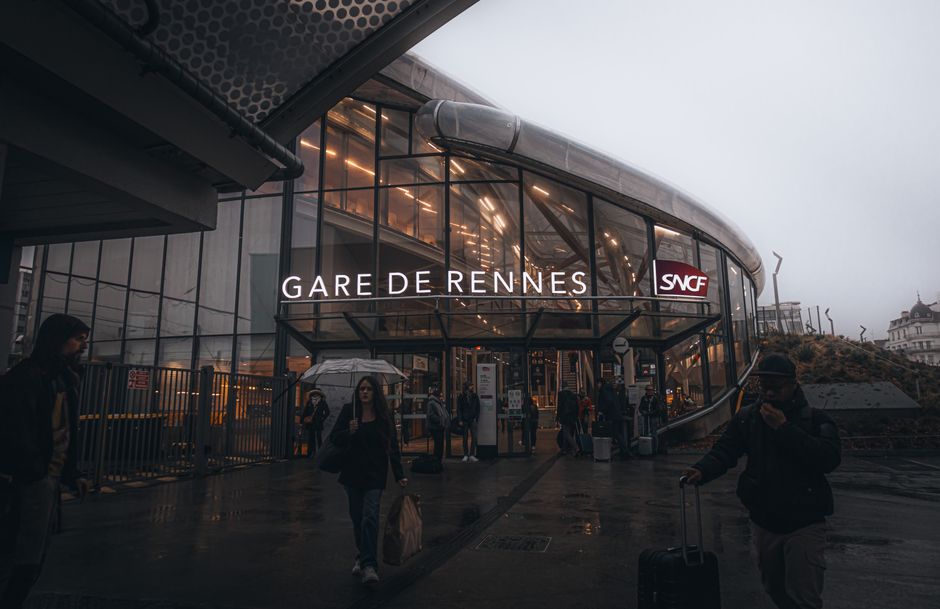
- Rennes Station (SNCF) — Place de la Gare, 35000 Rennes. Hours: concourse open 05:00–00:30 (times vary by service). Services: luggage lockers, bike rental, SNCF ticket offices, TER ticket machines. Indicative fares: Paris–Rennes TGV from €25 when booked early; TER Rennes–Saint-Malo €7–12 (standard fare).
- Saint-Malo Station (SNCF) — Place du 18 Juin 1940, 35400 Saint-Malo. Hours: open 05:30–23:00 (depending on trains). Fares: TER Rennes–Saint-Malo €7–12; local buses and taxis available outside the station. Paid parking: Parking Gare Saint-Malo, around €2.50/hour on average.
- Brest Station (SNCF) — Place de la Gare, 29200 Brest. Hours: 05:00–23:00. Fares: Paris–Brest TGV €40–80 depending on season; TER Quimper–Brest €6–12.
- Quimper Station (SNCF) — Place de la Gare, 29000 Quimper. Hours: 05:30–22:30. Fares: TER Quimper–Brest €6–12; bus connections to Concarneau and Douarnenez.
- Lorient Station (SNCF) — Place de la Gare, 56100 Lorient. Hours: 05:00–22:00. Fares: TER Rennes–Lorient €12–20; lines to Vannes and Quimper.
Booking tips: buy TGV and Intercités tickets in advance via sncf.com or the SNCF app for the best prices (youth and senior discounts, reduction cards). For regional travel, TER is usually the cheapest option; check TER Brittany passes if you’ll be doing several trips (weekly/monthly subscriptions). TER tickets often don’t have reserved seats: arrive 10–15 minutes before departure to board and stow your luggage.
Bike transport on trains: TER usually allows non-folding bikes free of charge on many lines; on TGV you may need a bike reservation. Example: the TER Rennes–Saint-Malo line accepts bikes for free, but access can be limited during peak times (07:00–09:00, 17:00–19:00). If you plan to combine car + ferry + train (auto-train isn’t available in Brittany), always check specific conditions on the rail operator’s website.
2) Driving in Brittany — routes, rentals, parking and costs
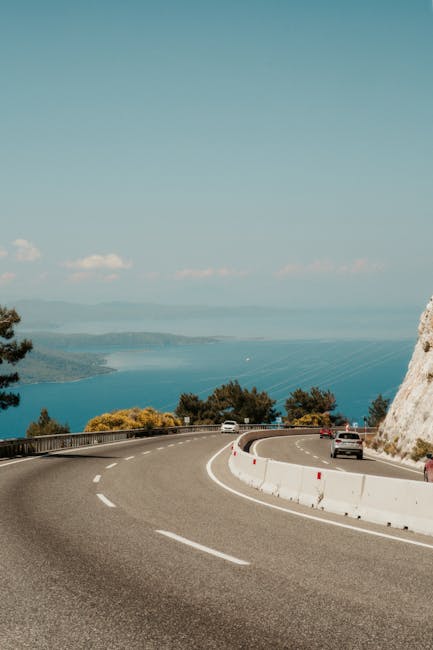
A car is still the best way to reach the wildest corners and explore peninsulas and rocky headlands. Main rental companies and addresses:
- Europcar Rennes Gare — 6 Place de la Gare, 35000 Rennes. Hours: 08:00–19:00 (Mon–Sat). Indicative rates: small car from €45/day, people carrier €80–120/day depending on season.
- Hertz Saint-Malo — 9 Rue de la Balue, 35400 Saint-Malo. Hours: 08:30–18:30. Indicative rates: saloon car €50–90/day.
- Sixt Brest — 4 Place de la Liberté, 29200 Brest. Hours: 08:00–20:00. Indicative rates: SUV €70–130/day.
Costs to budget for: fuel (petrol/diesel) — expect around €1.65–1.95 per litre depending on the station; tolls mainly on routes into Brittany (A11, A81) if coming from Paris or the south — allow €15–30 for a one-way from Rennes to the southern coast depending on route; parking: city center parking €1.50–3/hour, tourist site car parks (Monts d’Arrée, Pointe du Raz) around €3–5/day on average.
Recommended driving routes:
- Rennes → Saint-Malo: 70 km, about 1h10. Suggested route: N137 then D137. Recommended stop: Dinan (castle and ramparts) — Château de Dinan, Rue du Château, 22100 Dinan. Public parking: Place Duguesclin, €2/hour.
- Saint-Malo → Cap Fréhel → Fort la Latte → Perros-Guirec: scenic coastal route, plan a full day to stop at viewpoints. Cap Fréhel — Phare du Cap Fréhel, 22240 Plévenon, parking nearby often free (season-dependent). Fort la Latte — Fort La Latte, 22240 Plévenon. Entry: €8.50 adult, seasonal hours 10:00–18:00 (May–Sept).
- Quimper → Pointe du Raz: 80 km, allow 1h45. Paid parking at Pointe du Raz, €4–6/day; access via D784.
Local driving tips: coastal roads are often narrow and busy in summer — aim to travel early (before 09:30) or late afternoon (after 17:00). In autumn and winter watch for strong winds on peninsulas and gusts that can catch you by surprise. For parking in historic centers (Saint-Malo walled town, Vannes old town), use park-and-ride facilities at the city edge (e.g. Parking Relais La Conterie in Vannes, Avenue Jean Monnet, 56000 Vannes — around €2/hour) then walk or take a local bus.
3) Ferry crossings — ports, operators, fares and recommendations
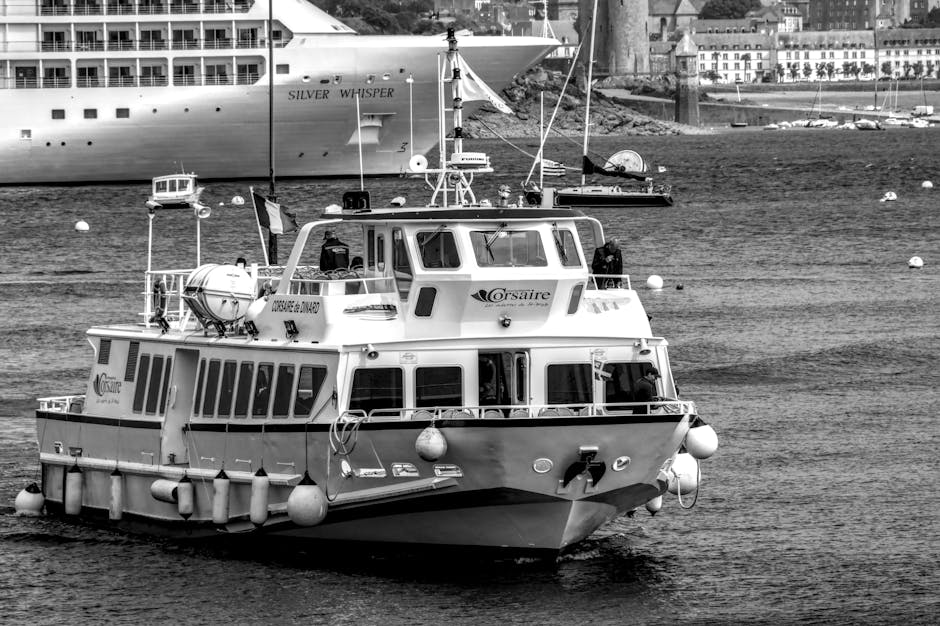
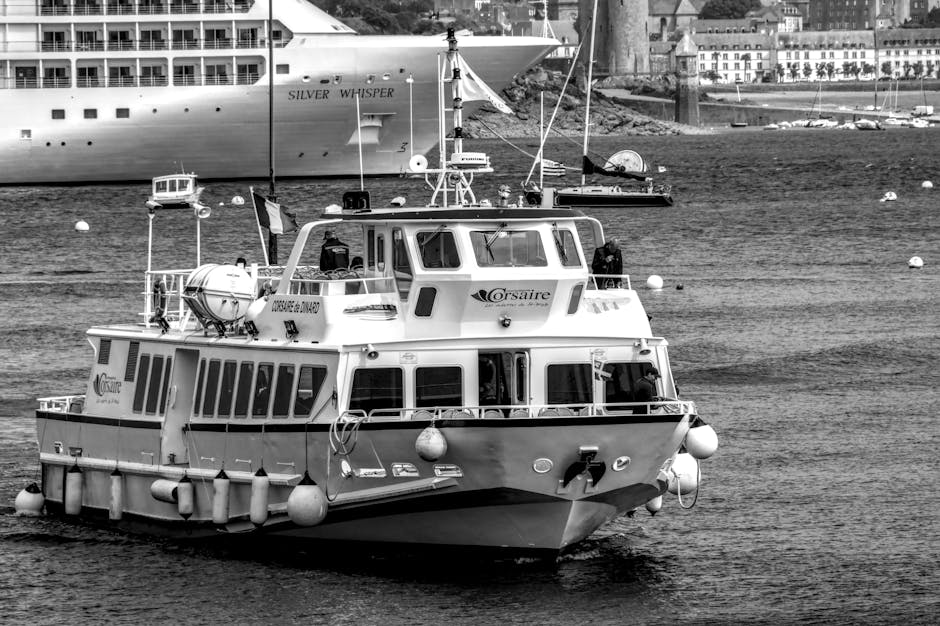
Ferry crossings are both transport and a genuine maritime experience: on the water, travel becomes a pause to admire the coast, sample regional dishes on board and enjoy comfortable facilities. Main ports and operators:
- Port of Saint-Malo — Brittany Ferries — Quai Solidor, 35400 Saint-Malo. Ticket office hours: vary by departure (generally 06:00–22:00). Routes: Saint-Malo → Jersey, Guernsey (high season); indicative fares: single passenger foot fare €25–45; car + 1 passenger €90–150 depending on vehicle size and season.
- Port of Roscoff — Brittany Ferries — Terminal Ferries, Port de Roscoff, 29680 Roscoff. Routes: Roscoff → Cork (Ireland); indicative fares: passenger €40–120 (depending on cabin), car €80–200 (depending on period and cabin).
- Port du Palais, Belle-Île-en-Mer — 1 Quai d’Armement, 56360 Le Palais, Belle-Île. Operators: Compagnie Océane, services to local islands; fare: one-way Quiberon → Le Palais €14–20 per person, cars rarely transported depending on the island size.
- Port of Quiberon — Compagnie Océane — Place de la Gare Maritime, 56170 Quiberon. Service to Belle-Île-en-Mer: frequent summer departures, typically 08:00–19:00; price €15–25 per person depending on season.
Schedules and booking: timetables change a lot with the season. For Brittany Ferries, crossings to Ireland and the Channel Islands are often weekly in shoulder seasons and daily in summer. Book ahead (brittany-ferries.co.uk) especially if bringing a vehicle or traveling on busy weekends. Expect a €30–60 supplement for internal cabins if you travel overnight and want to sleep comfortably.
On board: most ferries have catering (self-service, snack bars), duty-free shops on some international routes, and occasional entertainment. Short crossings (Quiberon–Belle-Île) usually lack extensive services: bring water and snacks for kids. If seasickness is a concern, book lower and central seats (or a cabin) and bring anti-nausea medication.
Practical tips: arrive 60–90 minutes before boarding if you have a car (30 minutes is usually fine for foot passengers on short routes). Check tide schedules for small island links, since some quays are tide-dependent. If carrying a bike, declare it when booking: some crossings offer secure bike storage, while others require bikes to be put in hold.
4) Traveling by bike — routes, rentals, prices and micro-adventures
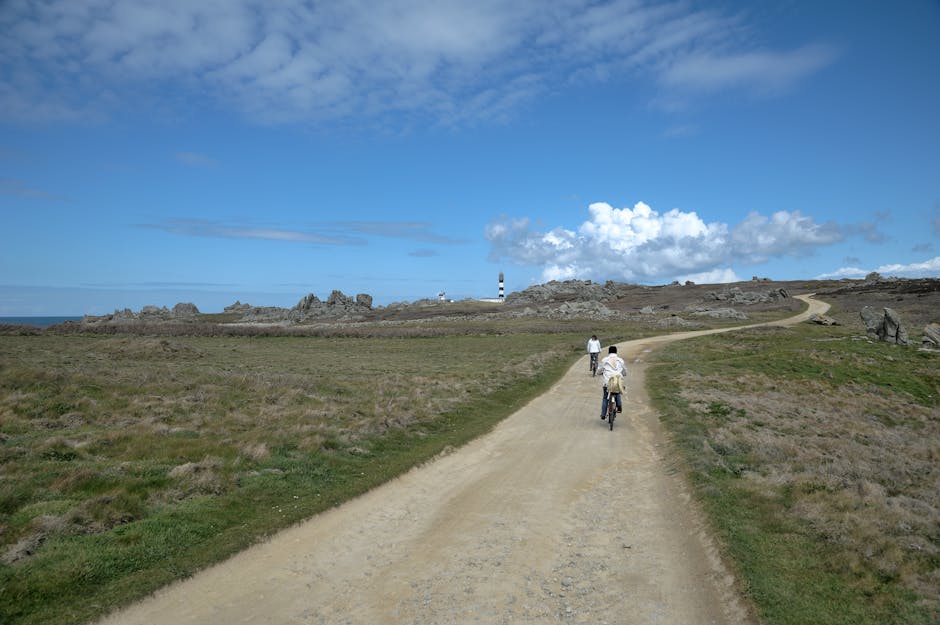
Cycling is probably the most rewarding way to feel Brittany: a slower pace lets you catch the smell of seaweed, panoramic coastal views, and tiny lanes lined with stone walls. The region has an extensive network of greenways and labeled cycle routes. Main rental shops and pick-up points:
- Breizh Vélo Rental — Saint-Malo — 12 Quai Duguay-Trouin, 35400 Saint-Malo. Hours: 09:00–19:00 (April–Sept). Rates: standard bike €15/day, e-bike €40/day; weekly package: €90 / standard bike, €240 / e-bike.
- Vélocéan — Quiberon/Le Palais — 3 Rue du Port, 56170 Quiberon. Hours: 08:30–18:30. Rates: classic bike €18/day, tandems and child trailers available (supplement €10–20/day).
- La Maison du Vélo — Brest — 5 Rue Jean Jaurès, 29200 Brest. Hours: 09:00–17:30. Rates: from €12/day for a standard bike, e-bikes €35–50/day.
Recommended routes:
- La Vélomaritime / EuroVelo 4: an international coastal route through the Channel and northern Brittany. Practical section: Saint-Malo → Cap Fréhel (45 km), mostly on secondary roads and cycle paths. Level: moderate. Expect 4–6 hours with scenic stops.
- La Vélo Francette / local Vélodyssée sections: Lorient → Gulf of Morbihan → Vannes, great for families. Example: Lorient (Port-Louis) → Larmor-Plage → Vannes, about 55 km, flat and well signposted.
- Nantes–Brest Canal greenway: Gouarec → Pontivy section (30–40 km), calm and shaded — ideal for family bikes and trailers.
Combining bikes with train/ferry: to mix bike and train, check TER rules (bikes are free on many lines outside peak hours). On ferries, some operators accept bikes on board (often free) but space is limited in high season — notify them when booking. If you have an e-bike, check charging options (often not available on local ferries). For multi-day tours, favor light packing and waterproof panniers (approximate price €60–120 per pair).
Local tips: carry a repair kit (tube, tyre levers, pump, multi-tool); local bike shops offer emergency repairs (cost €10–30 depending on work). Respect traffic rules and local signage — many coastal paths are shared with walkers: slow down and announce your approach when overtaking.
5) Combined itineraries and tips for organizing your trip
Mixing train, car, ferry and bike makes the most of the region while limiting fatigue. Here are three sample itineraries (short, medium, long) including addresses, approximate costs and typical schedules:
Short itinerary — Weekend (3 days): Rennes, Saint-Malo, Cap Fréhel
- Day 1: Arrive on the TGV at Rennes Station, Place de la Gare, 35000 Rennes. Take a TER to Saint-Malo Station, Place du 18 Juin 1940, 35400 Saint-Malo (TER: 07:30–09:00, fare €8–12). Accommodation: hotel inside the walled town (€80–140/night).
- Day 2: Rent a bike at Breizh Vélo, 12 Quai Duguay-Trouin, 35400 Saint-Malo (€15–40/day). Cycle Saint-Malo → Cap Fréhel (45 km), stop at Fort la Latte (entry €8.50). Return by bus or car if the weather turns bad.
- Day 3: Morning in the walled town, visit Plage du Sillon, afternoon TER Saint-Malo → Rennes. End of the weekend.
Medium itinerary — 7 days: Pink Granite Coast and Île de Bréhat
- Day 1: Arrive at Lannion Station, Place de la Gare, 22300 Lannion (via Brest/Guingamp). Overnight in Tréguier.
- Day 2: Drive and stops: Ploumanac’h (Ploumanac’h lighthouse, Sentier des Douaniers). Public parking: Place du Port, 22300 Perros-Guirec, €2–4/day. Overnight in Perros-Guirec.
- Day 3: Short crossing to Île de Bréhat from Port de Loguivy-de-la-Mer, 22620 Loguivy-de-la-Mer. Crossing €12–18 per person return. Day of cycling around the island (cycle paths, local rentals €12–20/day).
- Days 4–7: Head towards Roscoff, possibly take a mini-cruise or continue to Brest, then return.
Long itinerary — 14 days: Around the Gulf of Morbihan and southern islands
- Day 1: Arrive by train at Vannes Station, Place Hoche, 56000 Vannes. Explore the old town. Night €90–160.
- Days 2–4: Drive Vannes → Gulf of Morbihan (Arradon, Île-aux-Moines — crossing Vannes → Île-aux-Moines €9–12 per person). Parking in the gulf: €1.50–3/hour.
- Day 5: Take your car to Belle-Île-en-Mer from Port of Quiberon, Place de la Gare Maritime, 56170 Quiberon (Compagnie Océane). Car + driver €80–140, passengers €15–25 each.
- Days 6–13: Explore Belle-Île, Houat, Hoëdic; return via Lorient or Auray depending on plans. E-bikes recommended for hilly terrain: €40–50/day.
- Day 14: Return by train from Lorient Station, Place de la Gare, 56100 Lorient to your onward destination.
Organization tips: book ferries and accommodation in high season (July–August) several weeks ahead. For station ↔ port transfers, check local connections (buses, shuttles): Quiberon Tourist Office, Centre d’Information, Place Hoche, 56170 Quiberon (hours 09:00–18:00, free maps and local brochures). Have alternatives for bad weather: museums (Musée de la Marine in Brest, entry €8), aquariums (Grand Aquarium of Saint-Malo, 40 Avenue du Général Patton, 35400 Saint-Malo — tickets €15–20) or sheltered seafood tastings.
Conclusion — Final tips and travel responsibility
Exploring Brittany by combining train, car, ferry and bike offers a wealth of experiences: train network brings speed and comfort, cars bring freedom and curiosity, ferries add maritime adventure, and bikes give local immersion. Smart planning — booking ferries in advance, checking bike capacity on trains, and confirming tourist office hours — will help you get the most from each mode. The addresses and fares in this guide are useful benchmarks to build a realistic itinerary: main stations (Rennes, Saint-Malo, Brest, Quimper, Lorient), ports (Saint-Malo Quai Solidor, Port of Roscoff, Port of Quiberon), rental agencies (Europcar, Hertz, Breizh Vélo) and local vendors.
Some final practical recommendations: prioritize early bookings for TGVs and ferries, especially if you’re taking a vehicle; for cycling, avoid the busiest seaside hours in summer and wear a helmet and reflective gear; for driving, plan coastal activities around the tides (for shore-picking, access to rock formations) and keep an eye on weather forecasts for the peninsulas. If you seek authenticity, consult local tourist offices (e.g. Saint-Malo Tourist Office, Palais du Grand Large) for detailed maps and seasonal tips (guided tours, local markets).
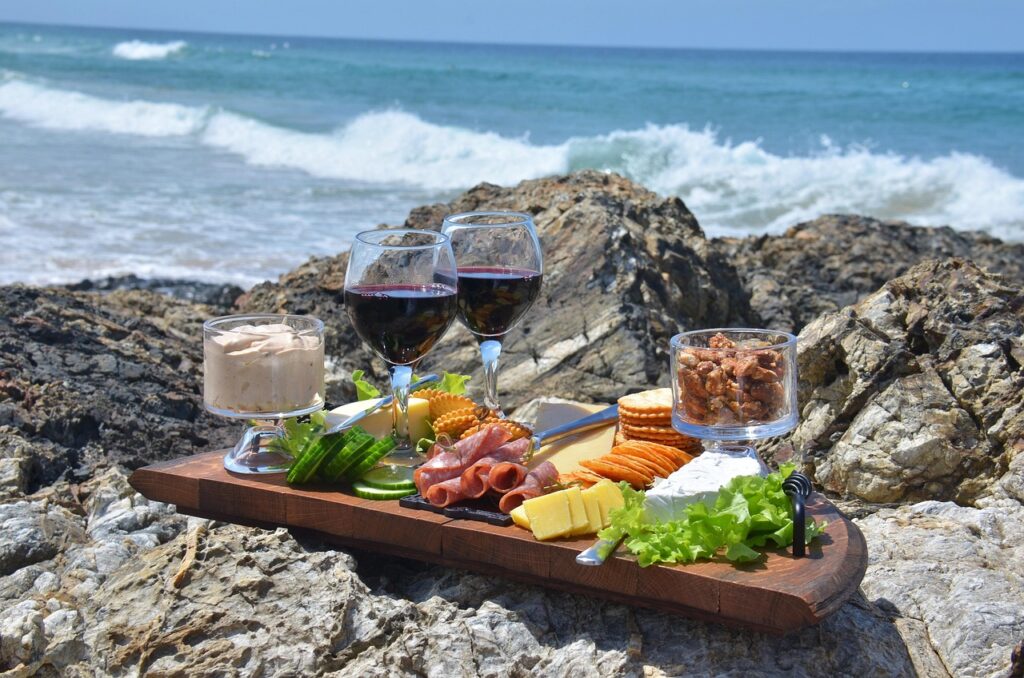
Above all, respect the environment and local communities: stick to waymarked paths like the GR34 to protect coastal vegetation, take your rubbish with you and favor local producers for meals (oysters, cockles, crêpes, cider). Brittany rewards patience: mix transport modes for changing perspectives, take a ferry crossing to watch the coast from the sea, spend an entire afternoon on a bike in a tiny village or hidden cove, and savor a terroir that’s worth the effort.
Safe travels and happy discoveries: whether you choose the comfort of the train, the freedom of a car, the poetry of a ferry or the slow pace of a bike, Brittany will always open its doors to the sea, wild landscapes and memorable encounters.