


Introduction — Brittany Immersion: Understanding the fest-noz, the language and the heritage
Brittany is a land of sea spray, granite shaped by time and living traditions. Between its rugged coasts, flower-strewn moorlands and towns where Breton is still heard, the region serves up a range of experiences that mix music, language and heritage. Understanding Brittany isn’t just about ticking off monuments: it’s about joining communal evenings, listening to songs in Breton, sharing a crepe and learning to spot the signs of a culture that has continually reinvented itself. This guide aims to give a practical, immersive overview for any traveler wanting to grasp the Breton spirit through three key angles: the fest-noz (the night-time communal dance, a central social event), the Breton language (how to hear, understand and practice it) and material and immaterial heritage (sites, museums, traditions).
We’ll detail where to attend a fest-noz, how it works, which rituals and dances you can expect, which venues and associations will animate the evening, and how much it costs. You’ll find concrete addresses — towns, halls, tourist offices — with opening hours, price ranges and tips to make the most of the local scene. In the language section we’ll point to schools, media outlets, apps and resources to pick up some basics and to spot bilingual signage. Finally, the heritage overview covers iconic sites (megalithic alignments, historic towns, lighthouses, ports), museums that enrich visits with sound exhibitions, and routes to feel the region’s history and living traditions.
Each section includes practical information (full addresses, prices in euros, typical opening hours), immersive descriptions to help you picture the scenes and local tips — how to behave at a fest-noz, which Breton phrases are useful, which days are best to visit sites to avoid crowds. This guide is aimed at independent travelers, fans of traditional music, families and language curious. It favors a responsible, respectful approach to places and communities: joining a fest-noz means accepting the rules of the collective celebration; visiting a megalithic site means observing without touching; learning Breton means supporting a language in revival.
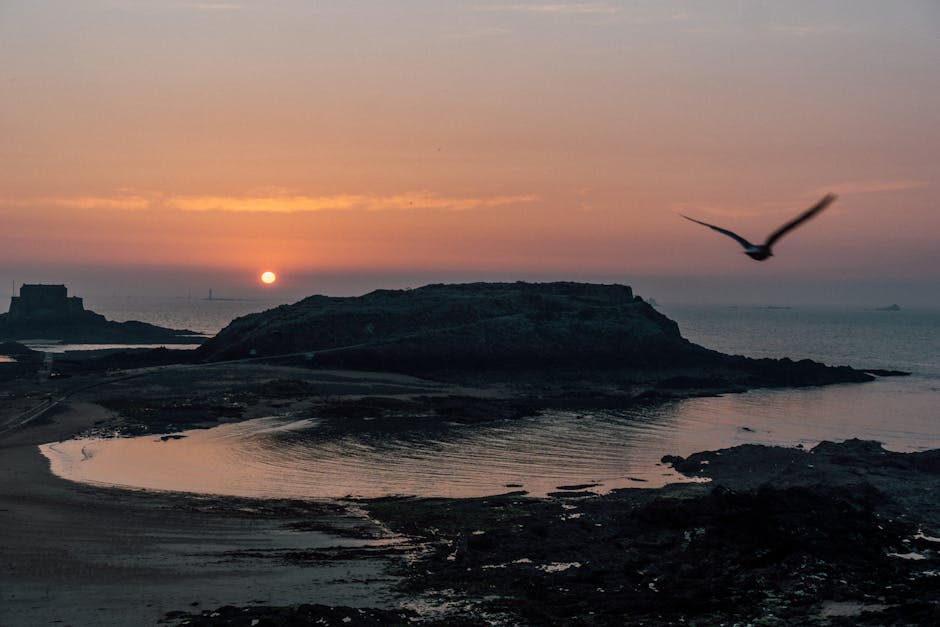
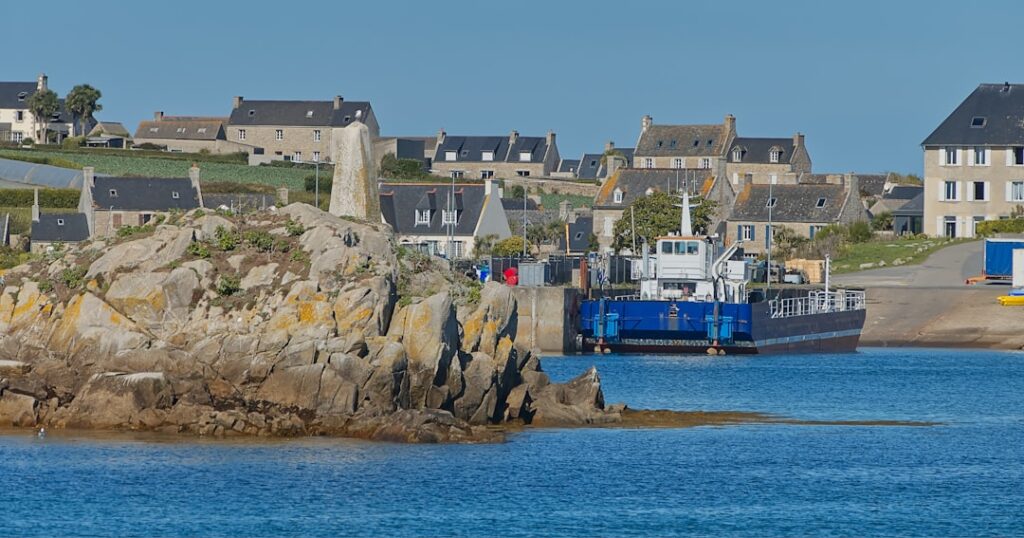
To make the reading more visual and inspiring, image markers are placed throughout the text — they suggest typical photographic compositions: fest-noz scenes, coastal landscapes, interiors of heritage homes, bilingual signs, megalithic rows. These cues will help you imagine your stay and plan your own shots. Lace up your shoes, bring your curiosity and open your ears: Brittany is waiting — lively, sonorous and generous.
The fest-noz: what it is, the dances and where to experience it (practical tips)
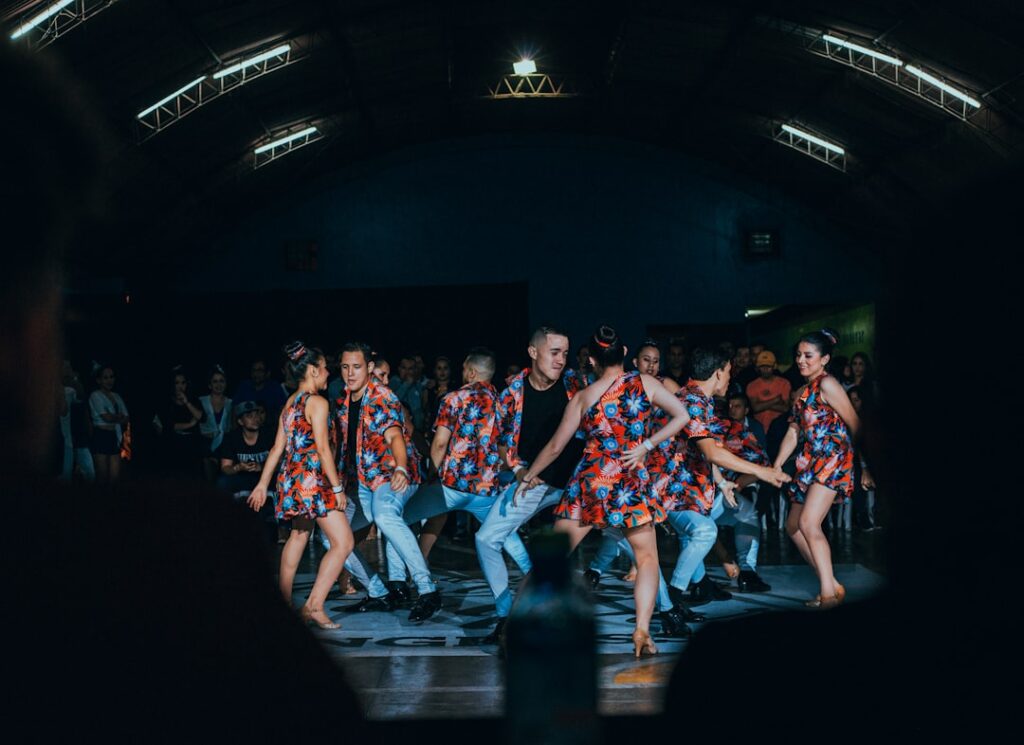
The fest-noz (plural: festoù-noz) is one of the beating hearts of contemporary Breton culture. Reimagined in the mid-20th century and recognized by UNESCO in 2012 as intangible cultural heritage, the fest-noz is a communal dance evening featuring choreographed sequences — gavottes, an dro, hanter dro, plinn, mazurka or ridée — led by traditional music groups (bagadoù, pairs of pipe-and-drone players, folk ensembles). It can take place in a town hall, a community center, a bar or outdoors during local fêtes. The vibe is above all friendly: seasoned dancers often lead newcomers at the head of the chain; the space is shared between beginners and veterans, all forming chains and circles.
How does a fest-noz unfold?
- Entry and contribution: most festoù-noz charge a modest entrance fee. Expect to pay between €5 and €12 for a community evening, and €12 to €25 for festivals or concerts that mix fest-noz with professional programming.
- Timing: festoù-noz usually start between 8:30pm and 9:30pm and continue until 1:00am to 3:00am depending on the venue and atmosphere. Major festivals may start earlier and offer multiple stages.
- Dress: casual — choose closed, comfortable shoes for dancing (flat shoes, flexible ankle boots). Avoid very high heels.
- Social rule: respect the organizers, listen for musical calls and give space to more experienced dancers when chains get tight. In most cases, newcomers are welcomed and guided.
Recommended venues and practical addresses
Here are places where you can experience an authentic fest-noz, with addresses, typical hours and indicative prices:
-
Le Vieux Saint-Malo – Municipal hall « La Grande Passerelle »
Address: La Grande Passerelle, 2 Rue de la Poste, 35400 Saint-Malo.
Hours: fest-noz evenings are announced occasionally, often on Saturday nights from around 9:00pm.
Price: usually €8 for local evenings, €15–25 for invited festoù-noz.
Description: heated hall close to the ramparts, good acoustics for acoustic groups and biniou. Tip: arrive early to secure a seat along the wall. -
Festival Interceltique de Lorient – Scène du Ponton
Address: Parc du Moustoir, Avenue de la Libération, 56100 Lorient (annual event in August).
Hours: programming varies, mostly after 7:00pm; full days and evenings devoted to festoù-noz.
Price: day passes €15–30, full festival passes and special evenings €30–80 depending on the ticket.
Description: the festival brings together Celtic ensembles from around the world. It’s an amplified fest-noz experience, ideal to feel the current diversity of Breton music. -
Espace Glenmor – Fest-noz in Carhaix
Address: Espace Glenmor, Place du Champ de Foire, 29270 Carhaix-Plouguer.
Hours: regular evenings, often at weekends, starting around 8:30pm.
Price: €6–12 depending on the program; reduced rates for students and members.
Description: an association promoting Breton music, village atmosphere, often with dance introductions at the start of the evening. -
Le Triskell – Municipal hall in Quimper
Address: Le Triskell, 6 Place Saint-Corentin, 29000 Quimper.
Hours: occasional festoù-noz in the evenings, check the town hall website for schedules.
Price: between €5 and €15.
Description: Quimper, cultural capital of Finistère, hosts festoù-noz linked to city markets and folkloric events.
Practical tips: check local tourist offices for exact calendars (Office de Tourisme de Lorient – 1 Place Aristide Briand, 56100 Lorient, phone: +33 2 97 21 05 15; Office de Tourisme de Quimper – 2 Place Saint-Corentin, 29000 Quimper, phone: +33 2 98 90 07 17). Arrive early if you want to learn without getting in the way, bring water (evenings can get warm) and put your camera away sometimes to fully enjoy the conviviality.

The Breton language: resources to hear it, learn it and use it every day
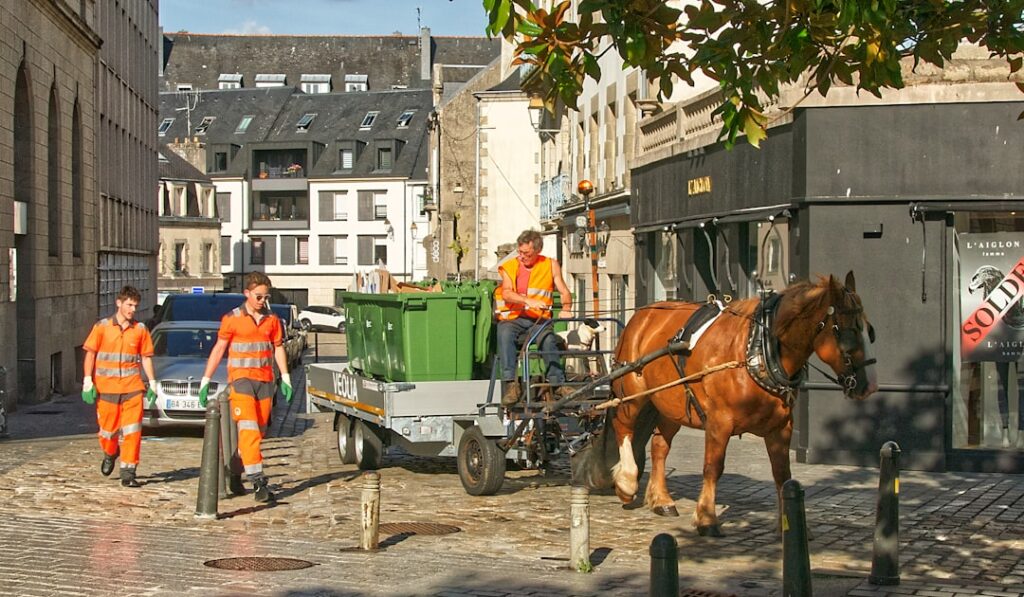
The Breton language (brezhoneg) is a Celtic tongue related to Cornish and Welsh. Long marginalized, it’s experiencing a revival today thanks to immersion schools (Diwan), bilingual sections in public and private schools, local media and a lively cultural movement. For the traveler, spotting the language on bilingual signs, hearing it in the street or at events and learning a few polite phrases opens a door to a deeper understanding of the region.
Where to hear and practice Breton
- Radio and media: Listen to Radio Kerne (web and FM in Cornouaille) and France Bleu Breizh Izel (FM and online), which often broadcast programs in Breton and French about regional culture. Radio Kerne: website and online listening, free; program schedules vary.
- Schools and classes: Diwan schools offer immersive Breton education. Example: Diwan Quimper, Address: 12 Rue Jean-Baptiste Bousquet, 29000 Quimper (phone: +33 2 98 90 00 12). Hours and fees: contact the school (often free or locally funded for school enrollment; adult classes are usually paid and range around €60–150 per term).
- Adult courses: Breton Cultural Centers (local cultural hubs) offer Breton workshops and language tandems. Example: Centre Culturel Breton – Maison de la Bretagne, Address: 6 Rue Saint-Hélier, 35000 Rennes (evening classes, fees vary €80–200 per semester).
Useful expressions to know
Here are some practical words and phrases to use during your stay:
- Demat — Hello
- Meur ras — Thank you
- Kenavo — Goodbye
- Mar plij — Please
- Trugarez — Thanks (variant)
Learning tips: prioritize listening (radios, songs), practicing in context (festoù-noz, workshops), and mobile apps (various learning apps exist, often free with paid options). Also look out for bilingual signage in larger towns: street signs, place names and bilingual menus in some tourist restaurants. Asking a question in Breton (even clumsily) is often met with a smile and encouragement; don’t hesitate to say « Demat! » when entering a café or shop.
Material and immaterial heritage: must-see sites, museums and routes to feel the history
Brittany concentrates heritage from many eras: prehistoric megaliths, fortified medieval towns, granite chapels, maritime lighthouses and living seafaring traditions. Here’s a curated selection of essential stops, with practical details, addresses and tips to enjoy them mindfully.
Alignments and megaliths
-
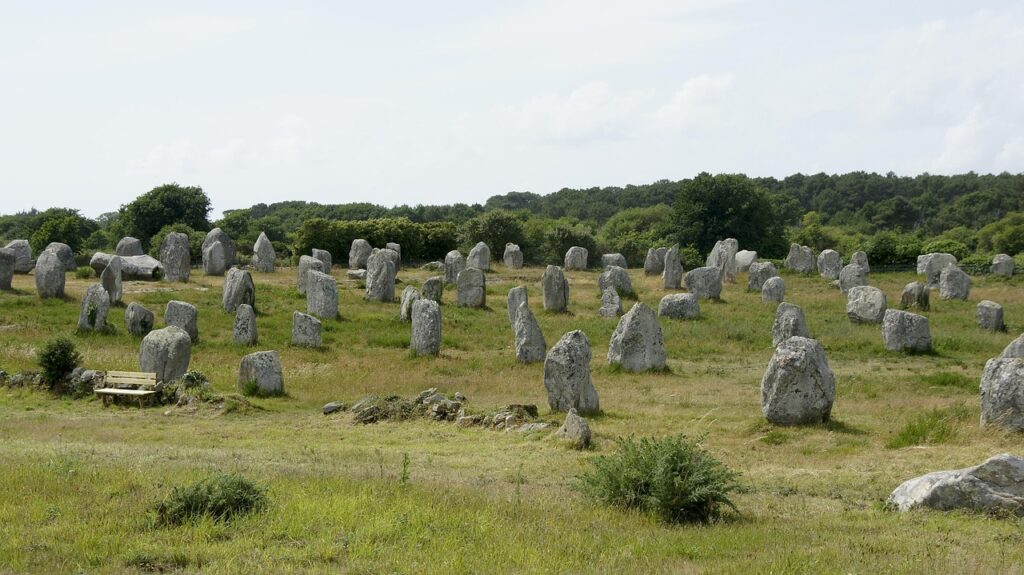
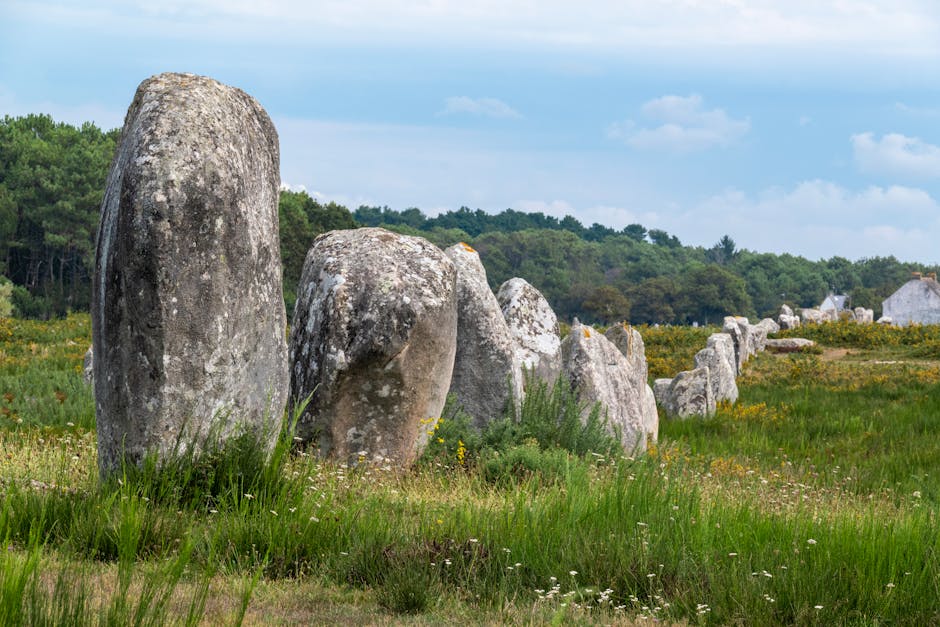
Carnac Alignments
General address: Alignments de Carnac, 56740 Carnac (site distribution: Le Ménec, Kermario, Kerlescan).
Hours: the site is freely accessible; the interpretation center opens seasonally (Maison des Mégalithes, 22 Rue du Menec, 56340 Carnac — hours: April to September 10:00–18:00; indicative prices €6 for adults, €3 reduced).
Description: vast fields of imposing, mysterious menhirs. Follow the trails and admire the rows from viewpoints. Tip: visit at sunrise or sunset for dramatic light and to avoid peak crowds. -
Locmariaquer sites
Address: Barnenez Cairn area and megalithic sites, 56740 Locmariaquer (access via Port-Navalo).
Hours and fees: vary by monument (some open access, some museum sites charge €5–8).
Historic towns and museums
-
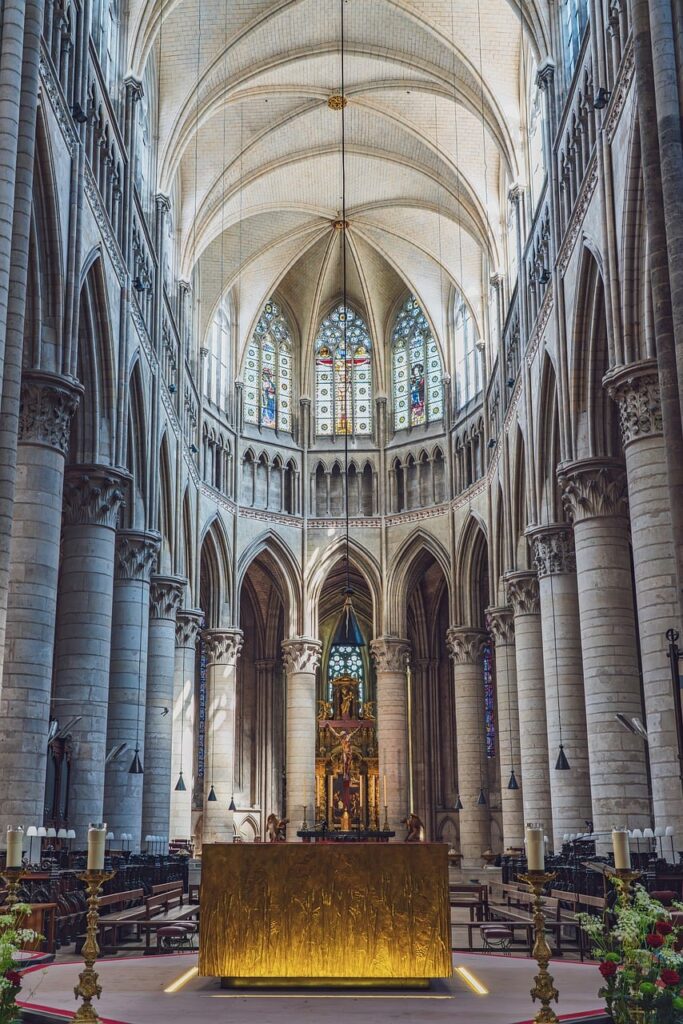
Quimper — Saint-Corentin Cathedral and the Musée Départemental Breton
Saint-Corentin Cathedral: Place Saint-Corentin, 29000 Quimper (generally open 9:00–18:00; free entry).
Musée Départemental Breton (museum of regional costumes and popular arts): Musée des Beaux-Arts, 9 Rue Jean-Baptiste Bousquet, 29000 Quimper; Hours: 10:00–18:00 (subject to change). Price: permanent exhibition often €6–10.
Description: charming historic center, medieval lanes, Quimper faience showcased in local museums. -
Saint-Malo — Ramparts and museum
Saint-Malo Ramparts: walk the ramparts in Intra-Muros, 35400 Saint-Malo (free access).
Museum of the City and the Malouin Region: 2 Rue de l’Olive, 35400 Saint-Malo; hours and prices vary (around €4–8 entry).
Description: corsair history, views over the Channel, spectacular tides. Tip: check tide times before walking the sand around the Bay of Mont-Saint-Michel.
Lighthouses, coasts and natural areas
-
Pointe du Raz
Address: Pointe du Raz, 29770 Plogoff; parking and visitor center open in season (hours: 9:00–19:00 in high season).
Price: access to the natural site is free; paid parking (expect €3–6 depending on season).
Description: wild panoramas over the Atlantic, sheer cliffs and coastal trails (GR34). Tip: bring a windbreaker and sturdy shoes; the weather changes fast. -
Gulf of Morbihan and Vannes
Vannes — port and ramparts, Place Maurice Marchais, 56000 Vannes (guided tours offered by the Tourist Office, around €6–10 ).
Description: an archipelago of islands, maritime gastronomy, sailing trips and coastal walks.
Heritage visiting tips: follow signs, don’t touch megaliths when they’re protected, and favor guided tours to understand the historical context and former uses of the sites. Buy museum tickets online in summer to avoid queues. And taste local products to complement your visits: recommended crêperies and local canneries offer tastings that extend the cultural experience.
Local habits, gastronomy and small tips for a respectful immersion
For a complete immersion, combine festivals, language and heritage at the table. Breton cuisine is often more than crêpes and cider: it includes fish, seaweeds, salted butter, far breton and local cheeses. Here are addresses and best practices to know.
Restaurants and specialties
-
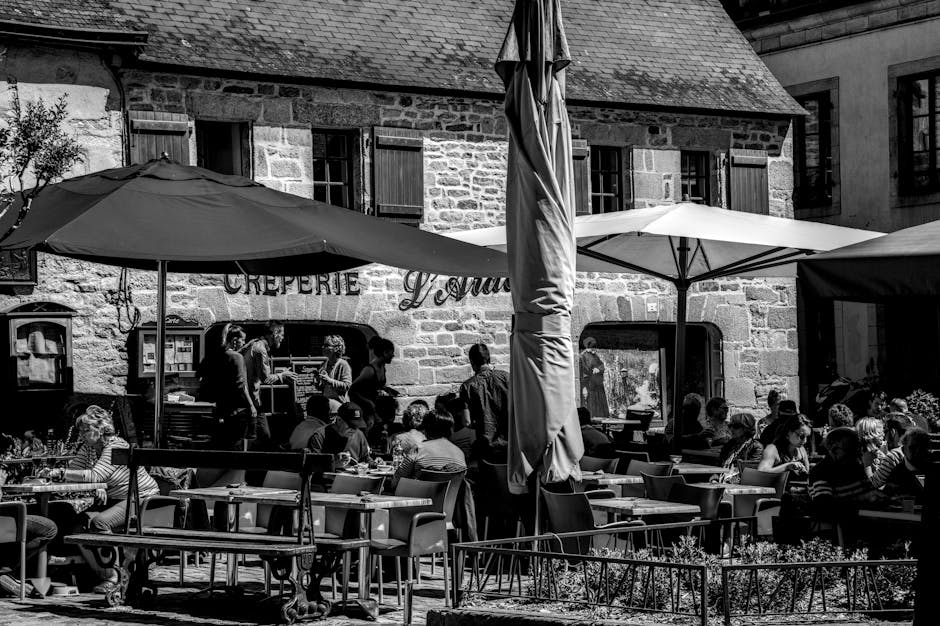
Crêperie La Bigoudène
Address: 14 Rue des Halles, 29120 Pont-l’Abbé (Finistère).
Hours: 12:00–14:30, 19:00–22:00 (closed Tuesdays), prices: galettes €7–13, full menus €15–25.
Description: traditional crêperie, homemade buckwheat batter, local ciders recommended. -
Fishmongers & Restaurant « Le Port de Vannes »
Address: 3 Quai Lafayette, 56000 Vannes.
Hours: 12:00–14:00, 19:00–22:00, prices: fish dishes €15–30.
Description: fresh seafood, oysters and shellfish tastings.
Practical tips
- Transport: renting a car gives the greatest freedom to reach coastal sites and villages. Trains and the TER Bretagne network serve major towns (Rennes, Saint-Malo, Quimper, Lorient).
- Events: check tourist office calendars for festoù-noz and maritime festivals (Festival Interceltique de Lorient, Brest Maritime Festivals, etc.).
- Respect: ask before photographing people, especially at festoù-noz or family events. Respect nature on coastal paths.
Conclusion — Why go further after this first immersion
Brittany reveals itself gradually: one first night at a fest-noz, a few Breton words exchanged and walks along the cliffs give you a taste, but the real richness grows through encounters, music rehearsals, reading and deeper visits. After attending a fest-noz you’ll realize Breton music isn’t a distant performance: it’s a community act, a means of transmission and an invitation to take part. After attempting a few an-dro or gavotte steps, you’ll feel how dance makes social bonds and collective memory tangible.
Learning a few Breton basics will open unexpected doors: you’ll start reading signs, recognizing place names, understanding songs and the announcements at local events. Diwan schools, workshops and local radio are lasting resources if you want to go further. Finally, the material heritage — Carnac’s megaliths, Saint-Malo’s ramparts, lighthouses and wild headlands — will show the continuity of a landscape inhabited and ritualized for millennia. Each place tells a story tied to the sea, the work of the land and the communities who live there.
To extend the experience after your trip: follow Breton music groups on streaming platforms, subscribe to local radio stations, join dance workshops at home and come back to Brittany in other seasons to sense the variety of atmospheres. Locals welcome curious, respectful visitors warmly; showing genuine interest in the language and traditions is the best way to receive meaningful exchanges in return. Above all, keep an open mind: Brittany is a region where past and present are in constant conversation — it will always offer you a new fête, a Breton lesson or a breathtaking view.
Have a great stay in Brittany: may your steps follow the sound of the biniou and may your ears open to the words of an ancient language that still lives in vibrant communities.